
Short Answer
What Is Figa? Italian Dessert Explained
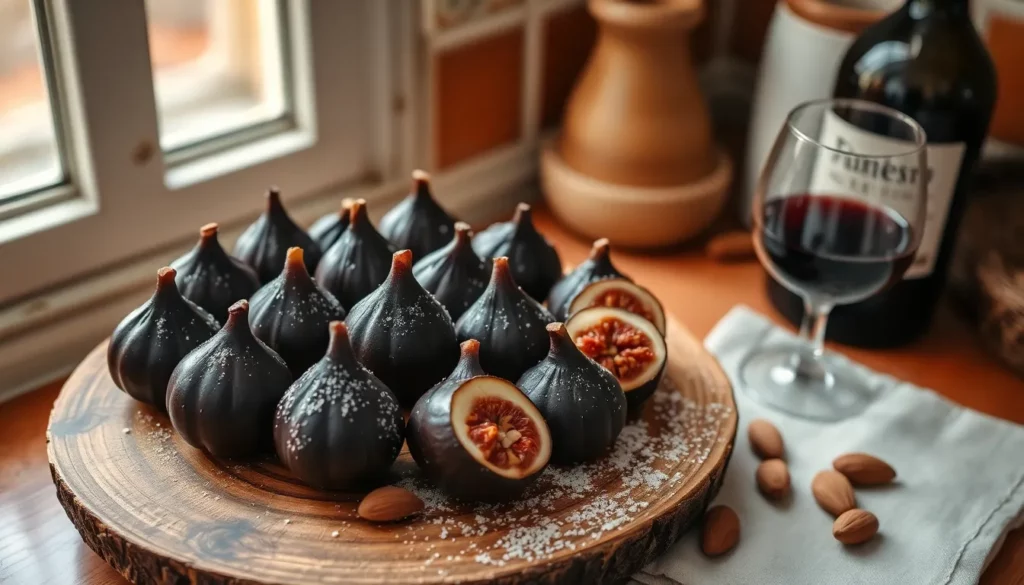
Figa (pronounced FEE-gah) is a traditional Sicilian dessert made from dried figs stuffed with a mixture of almonds, chocolate, honey, and citrus zest. Originating in Sicily, this sweet treat is often shaped into small balls or logs and coated in chocolate or powdered sugar. Key ingredients include dried figs, almonds, dark chocolate, orange zest, and cinnamon. Figa is a classic example of Sicilian dolci that showcases the island’s love for combining fruit, nuts, and spices.
Origin & History
The origins of Figa trace back to the Arab influence in Sicily during the 9th to 11th centuries. The Arabs introduced advanced irrigation techniques and new crops, including almonds, citrus fruits, and sugarcane, which became staples in Sicilian cuisine. Dried figs were a valuable commodity for their long shelf life and natural sweetness. The practice of stuffing figs with nuts and spices likely emerged in the convents of Palermo and Catania, where nuns created elaborate sweets for religious festivals. Figa became particularly associated with Christmas and Easter celebrations, symbolizing abundance and prosperity. Historical records from the 16th century mention “fici ripieni” (stuffed figs) in Sicilian cookbooks, though the term “Figa” is a dialectal variation still used in rural areas.
What’s In It
Core ingredients for Figa include:
- Dried figs – preferably from Sicily, such as the Fico d’India or Fico Bianco varieties.
- Almonds – raw, peeled, and finely chopped or ground.
- Dark chocolate – at least 70% cocoa, melted or chopped.
- Honey – for binding and sweetness.
- Citrus zest – orange or lemon, for aroma.
- Spices – cinnamon, cloves, or nutmeg.
- Optional coatings – cocoa powder, powdered sugar, or chocolate glaze.
Preparation involves rehydrating dried figs if necessary, then cutting a slit and stuffing with the almond-chocolate mixture. The figs are then rolled in coating and left to set. Unlike similar desserts like cannoli or cassata, Figa is not fried or baked; it is a no-cook confection that relies on the natural sweetness of figs.
Regional Variations
Figa varies across Sicily and other Italian regions:
| Region | Variation |
|---|---|
| Sicily (Palermo) | Figs stuffed with almond paste, chocolate chips, and candied orange peel; coated in dark chocolate. |
| Sicily (Catania) | Addition of pistachios and a dusting of powdered sugar; sometimes shaped into small logs. |
| Calabria | Uses local Fico Dottato figs; filling includes walnuts, honey, and a splash of limoncello. |
| Puglia | Figs are stuffed with almonds and dried grapes; often served with a drizzle of vincotto (grape must syrup). |
In other parts of Italy, similar stuffed fig desserts exist under names like Fichi Ripieni or Fichi Secchi Ripieni, but the term “Figa” is distinctly Sicilian.
How It’s Traditionally Eaten
Figa is typically served as a dolce (dessert) after a meal, often alongside a glass of sweet wine such as Marsala or Passito di Pantelleria. It is also enjoyed as a snack with coffee or tea. During Christmas and Easter, Figa is presented on platters as part of dolci di festa (holiday sweets). In some families, it is given as a homemade gift. Unlike everyday desserts, Figa is reserved for special occasions due to its rich ingredients and labor-intensive preparation.
Common Mistakes / What It’s Not
Many American-Italian misconceptions surround Figa. It is not a type of cookie or biscotti; it is a stuffed fruit confection. It is not baked or fried; the figs are used dried and the filling is raw. Some confuse it with Fichi al Forno (baked figs), which is a different dish. Additionally, the term “Figa” should not be confused with the vulgar Italian slang; in the context of Sicilian dialect, it simply means “fig.” To avoid confusion, it is best to refer to the dessert as “Figa” only in Sicilian contexts, or use “Fichi Ripieni” elsewhere.
Where to Try It / What to Order
To experience authentic Figa, visit Sicily during the Christmas season. Look for pasticcerie (pastry shops) in Palermo, Catania, or Siracusa. Notable shops include Pasticceria Cappello in Palermo and Pasticceria Savia in Catania. When ordering, ask for “Figa” or “Fichi ripieni” and specify if you prefer chocolate-coated or plain. Many Sicilian families also make it at home; consider taking a cooking class to learn the traditional method. Outside Sicily, Italian specialty stores may carry imported versions, but freshness is key.
Related Dishes
FAQ
What is Figa in Italian cuisine?
Figa is a Sicilian dessert made from dried figs stuffed with almonds, chocolate, and citrus zest, often coated in chocolate or powdered sugar.
Is Figa the same as Fichi Ripieni?
Yes, Figa is the Sicilian dialect term for stuffed figs, while Fichi Ripieni is the standard Italian name.
When is Figa traditionally eaten?
Figa is traditionally enjoyed during Christmas and Easter, as well as other festive occasions.
Can Figa be made vegan?
Yes, by using dairy-free chocolate and substituting honey with agave syrup, Figa can be made vegan.
Where can I buy authentic Figa?
Authentic Figa is best found in Sicilian pasticcerie, especially in Palermo and Catania, or from Italian specialty stores online.

Leave a Reply