
Short Answer
What Is Pomplemo? Italian Dessert Explained
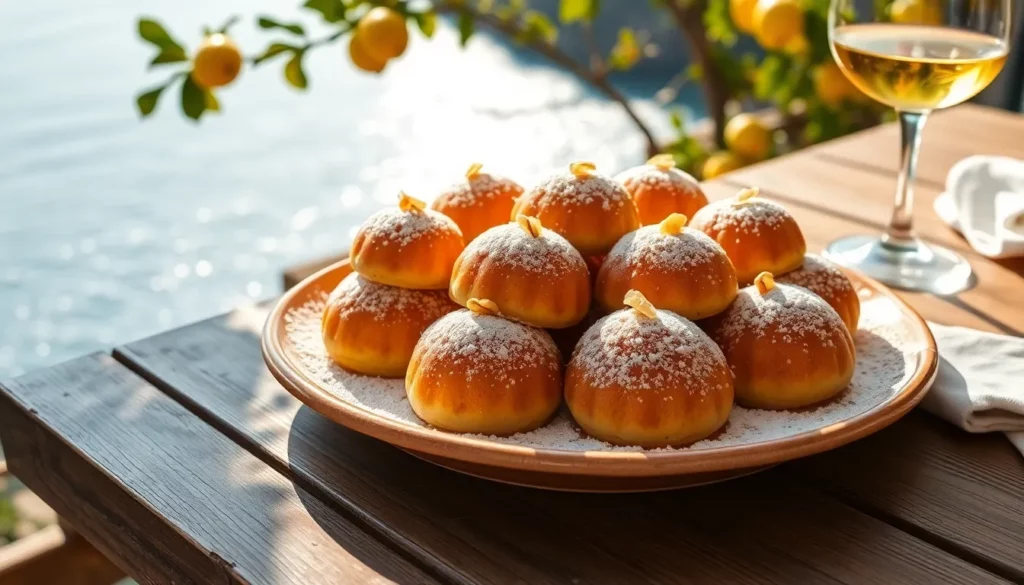
Pomplemo is a traditional Italian dessert originating from the Amalfi Coast, specifically the town of Amalfi in Campania. It is a confection made from candied grapefruit peel (scorza di pompelmo candita), finely ground almonds, honey, and often a touch of dark chocolate or cinnamon. The name derives from the Italian word pompelmo (grapefruit), reflecting its primary flavor. Pomplemo is typically shaped into small, bite-sized domes or bars and dusted with powdered sugar or cocoa. Unlike many Italian desserts that rely on ricotta or cream, Pomplemo is a dense, chewy sweet with a bright citrus aroma and a nutty undertone, making it a unique representative of the region’s cucina povera tradition.
Origin & History
The origins of Pomplemo trace back to the 18th century along the Amalfi Coast, where Arab influence introduced citrus cultivation to the region. Local monasteries and convents became centers of confectionery innovation, using abundant grapefruits to create preserves and sweets. The earliest documented recipe appears in a 1795 manuscript from the Convent of Santa Maria del Carmine in Amalfi, describing a dolce di pompelmo made with honey and almonds. Over time, the dessert spread to neighboring towns such as Positano and Ravello, each adding its own twist. A popular anecdote claims that Queen Maria Carolina of Naples, upon tasting Pomplemo during a visit to Amalfi in 1810, declared it “un piccolo sole” (a little sun), cementing its royal association. Despite its historical roots, Pomplemo remains relatively obscure outside of Campania, overshadowed by more famous Italian desserts like tiramisù and cannoli.
What’s In It
The core ingredients of Pomplemo are simple yet precise: candied grapefruit peel (preferably from the local pompelmo di Amalfi variety), almonds (blanched and finely ground), honey (often chestnut or orange blossom), and egg whites as a binder. Some versions include dark chocolate (70% cacao or higher) melted into the mixture, or a pinch of cinnamon and clove. The preparation involves slowly cooking the candied peel with honey until it caramelizes, then folding in the ground almonds and beaten egg whites to form a thick paste. This paste is shaped into small domes (about 3 cm in diameter) and left to dry for 24 hours. Unlike similar desserts such as torrone (which uses whole nuts and no citrus) or mostaccioli (which is chocolate-based and baked), Pomplemo is unbaked and relies on the natural pectin of the citrus peel for structure. The result is a chewy, intensely flavored sweet that balances bitterness from the grapefruit with sweetness from honey.
Regional Variations
While the Amalfi Coast remains the heartland of Pomplemo, neighboring regions have developed distinct interpretations. The table below highlights key differences:
| Region | Key Ingredient | Texture | Shape |
|---|---|---|---|
| Campania (Amalfi) | Candied grapefruit peel, almonds, honey | Chewy, dense | Small domes |
| Sicily | Pistachios instead of almonds, orange blossom water | Softer, more aromatic | Flat discs |
| Calabria | Added chili flakes, hazelnuts | Crunchy, spicy | Bars |
| Puglia | Almonds and lemon peel, no chocolate | Firmer, more citrus-forward | Logs, sliced |
In Sicily, Pomplemo is often served during the Feast of Santa Lucia, while in Calabria it is a Christmas specialty. The Amalfi version remains the most traditional, with strict adherence to the original recipe.
How It’s Traditionally Eaten
Pomplemo is classified as a dolce (dessert) and is typically served at the end of a meal, either as a standalone sweet or alongside a small glass of Passito di Pantelleria or Limoncello. It is not a breakfast item nor a snack; rather, it is reserved for festive occasions such as weddings, religious holidays, and family gatherings. In Amalfi, it is common to see Pomplemo offered at pasticcerie (pastry shops) alongside sfogliatelle and babà. The dessert is best enjoyed at room temperature, allowing the flavors to fully develop. Some locals dip it in espresso for a contrasting bitter-sweet experience. Because of its dense texture, Pomplemo is often cut into small pieces and served on a platter, making it ideal for sharing.
Common Mistakes / What It’s Not
A frequent misconception, especially among American tourists, is that Pomplemo is a fruit salad or a sorbet. In reality, it is a confection with no raw fruit. Another error is substituting regular grapefruit for the specific Amalfi variety, which has a thicker peel and lower acidity. Additionally, some recipes online incorrectly add butter or cream, which alters the traditional texture and shelf stability. Pomplemo is not a baked good; it is air-dried. It is also not a type of cannoli or cassata, though it shares the use of candied fruit. To avoid these mistakes, always look for recipes that emphasize scorza candita (candied peel) and avoid liquid sweeteners other than honey. When purchasing, check that the ingredient list contains no dairy or flour.
Where to Try It / What to Order
For an authentic experience, visit the Amalfi Coast and seek out historic pasticcerie such as Pasticceria Andrea Pansa in Amalfi (founded 1830) or Pasticceria Savoia in Positano. In Rome, specialty shops like Volpetti in Testaccio occasionally stock Pomplemo during the holiday season. Travelers should ask for “Pomplemo artigianale” to ensure it is handmade. The best time to find it is during the Festa del Pomplemo held in Amalfi every October, where local producers showcase their versions. When ordering, specify whether you prefer the classic (with almonds) or the chocolate variant. A single piece typically costs €2–€4. For those unable to travel, some Italian online gourmet retailers ship Pomplemo, but verify that it is from Campania.
Related Dishes
FAQ
What is Pomplemo?
Pomplemo is a traditional Italian dessert from the Amalfi Coast made with candied grapefruit peel, almonds, honey, and sometimes chocolate. It is a chewy, unbaked confection shaped into small domes.
Where does Pomplemo originate?
Pomplemo originates from the town of Amalfi in Campania, Italy, with documented recipes dating back to the 18th century.
How is Pomplemo different from other Italian desserts?
Unlike many Italian desserts that are baked or cream-based, Pomplemo is unbaked and relies on candied citrus peel and honey for structure. It is denser and more intensely flavored than torrone or mostaccioli.
Can I make Pomplemo at home?
Yes, but it requires high-quality candied grapefruit peel and patience. The traditional recipe does not use butter or flour, and the mixture must be air-dried for 24 hours.
Is Pomplemo gluten-free?
Yes, traditional Pomplemo contains no wheat flour, making it naturally gluten-free. Always check labels if purchasing.




Leave a Reply