
Short Answer
What Is Antipasto, Antipastino? Italian Appetizers Explained
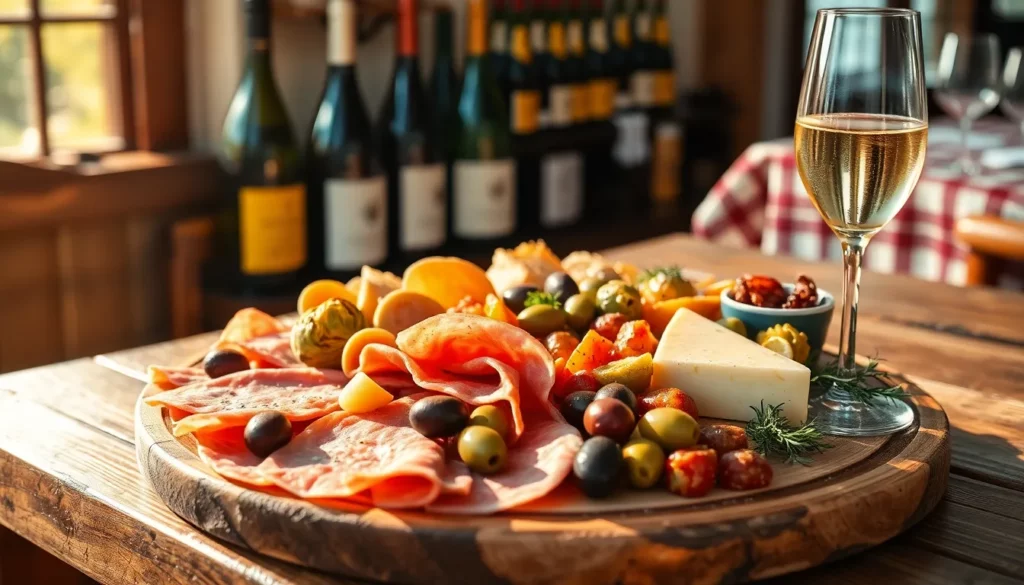
Antipasto (plural: antipasti) is the traditional first course of an Italian meal, meaning literally “before the meal” (from Latin ante + pastus). An antipastino is a smaller, often single-bite version of antipasto, served as a pre-appetizer or part of an aperitivo spread. Originating throughout Italy, antipasto showcases cured meats, cheeses, marinated vegetables, olives, and seafood, varying dramatically by region. Key ingredients include prosciutto, salami, mozzarella, pecorino, artichokes, peppers, and anchovies. The dish is designed to stimulate the appetite before the primo (first course) and is typically served at room temperature.
Origin & History
The concept of a pre-meal appetizer dates back to ancient Rome, where the gustatio or promulsis consisted of eggs, olives, and salted fish served with honeyed wine. During the Renaissance, elaborate banquets featured antipasti as a way to whet the appetite and showcase the host’s wealth. The modern antipasto as a distinct course emerged in the 19th and early 20th centuries, particularly in central and northern Italy, where cured meats and cheeses became staples. Contrary to popular myth, antipasto was not invented in a single city but evolved organically across the peninsula. A unique anecdote: in Bologna, the tradition of antipasto della casa (house antipasto) often includes mortadella and crescentine (fried bread), reflecting the city’s culinary identity.
What’s In It
Core ingredients of antipasto include cured meats (prosciutto crudo, salame, bresaola, coppa), cheeses (fresh mozzarella, aged pecorino, gorgonzola, taleggio), marinated or grilled vegetables (zucchini, eggplant, bell peppers, artichokes), olives, and pickled items (capers, giardiniera). Seafood antipasti feature anchovies, sardines, octopus, or shrimp. Preparation is minimal: ingredients are sliced, arranged, and served at room temperature. The key is quality and simplicity. Antipasto differs from similar dishes like bruschetta (grilled bread with toppings) or crostini (small toasts with spreads), which are specific types of antipasto rather than the category itself. Unlike a tagliere (a board of cured meats and cheeses), antipasto often includes vegetables and is served as a course, not just a snack.

Regional Variations
Antipasto varies significantly across Italy. Below is a comparison of three major regions:
| Region | Typical Antipasto | Key Ingredients |
|---|---|---|
| Emilia-Romagna | Prosciutto di Parma, mortadella, Parmigiano-Reggiano, crescentine | Cured meats, aged cheese, fried bread |
| Campania | Antipasto di mare (seafood) | Octopus salad, marinated anchovies, lemon, olive oil |
| Sicily | Caponata, involtini di melanzane | Eggplant, capers, olives, tomatoes, pine nuts |
In Tuscany, antipasto often includes crostini with chicken liver pâté and finocchiona (fennel salami). In Lazio, fried artichokes (carciofi alla giudia) and supplì (rice balls) are common. The northern regions favor cured meats and cheeses, while the south emphasizes seafood and vegetables.
How It’s Traditionally Eaten
Antipasto is served as the first course of a formal Italian meal, before the primo (pasta or soup). It is often accompanied by an aperitivo such as Prosecco, Vermouth, or a light red wine. The dish is shared family-style or plated individually. On holidays like Christmas or Easter, antipasto becomes more elaborate, featuring multiple meats, cheeses, and specialities. For everyday meals, a simple antipasto of olives and cheese may suffice. Antipastino, being smaller, is often served during aperitivo hour at bars, meant to be eaten with a drink before dinner.
Common Mistakes / What It’s Not
Many American-Italian restaurants misinterpret antipasto as a heavy, overdressed salad with lettuce, tomatoes, and ranch dressing. Authentic antipasto is not a salad; it is a composed platter of cured meats, cheeses, and vegetables, served without greens. Another mistake is serving antipasto as a main course—it is meant to be a light starter. Additionally, using low-quality ingredients or drowning items in vinegar or oil masks the natural flavors. Antipasto is not a “dip” or a “platter” of fried foods; it emphasizes simplicity and high-quality ingredients. Corrective guidance: choose artisanal products, serve at room temperature, and let each ingredient shine.
Where to Try It / What to Order
For an authentic experience, visit Emilia-Romagna (Parma, Modena) for cured meats and Parmigiano-Reggiano. In Campania, head to Naples for seafood antipasto. In Sicily, try caponata in Palermo. Ordering tips: ask for antipasto della casa (house antipasto) to sample local specialties. At a restaurant, a good antipasto should include a variety of textures and flavors—cured meat, cheese, vegetable, and olive. For travelers, food tours in Bologna or Rome often include antipasto stops. Festivals like the Sagra del Prosciutto in Parma celebrate these traditions.
Related Dishes
FAQ
What is the difference between antipasto and antipastino?
Antipasto is the general term for the first course of an Italian meal, typically a platter of cured meats, cheeses, and vegetables. Antipastino is a smaller, often single-bite version served as a pre-appetizer or during aperitivo.
Can antipasto be a main course?
No, antipasto is intended as a light starter to stimulate the appetite. In traditional Italian dining, it is followed by a primo (pasta or soup) and secondo (main dish). However, a large antipasto misto can be shared as a light meal in informal settings.
What are the most common ingredients in antipasto?
Common ingredients include cured meats (prosciutto, salami), cheeses (mozzarella, pecorino), marinated vegetables (artichokes, peppers), olives, and seafood (anchovies, octopus). The selection varies by region.
Is antipasto served hot or cold?
Antipasto is typically served at room temperature. Some components like fried vegetables or seafood may be warm, but the platter as a whole is not served hot.
What wine pairs well with antipasto?
Light red wines like Bardolino or a dry Prosecco are classic pairings. For seafood antipasto, a crisp white such as Vermentino works well.

Leave a Reply