
Short Answer
What Is Bevande? Italian Beverages Explained
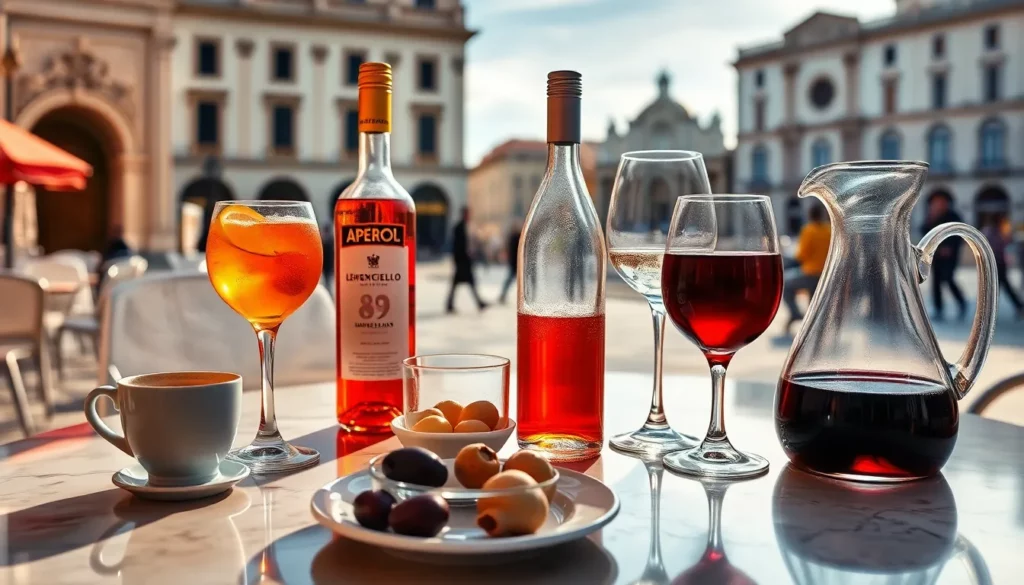
In Italian, bevande simply means “drinks” or “beverages,” but the term encompasses a vast and culturally significant array of liquid refreshments that are integral to Italian daily life and cuisine. From the morning caffè to the evening digestivo, Italian beverages are defined by regional traditions, quality ingredients, and specific rituals of consumption. Unlike the generic “soft drinks” often associated with other cultures, Italian bevande include coffee, wine, mineral water, fruit juices, herbal infusions, and alcoholic aperitivi and digestivi, each with its own history and proper etiquette. The key ingredients vary widely: Arabica coffee beans for espresso, Nebbiolo grapes for Barolo, or lemons from Sorrento for limoncello. The unifying principle is a respect for simplicity and quality, often tied to a specific locale.
Origin & History
The history of Italian beverages is as old as the peninsula itself. Ancient Romans consumed mulsum (wine mixed with honey) and posca (vinegar water), but the modern concept of bevande began to take shape in the Middle Ages and Renaissance. Coffee arrived in Venice in the 16th century from the Ottoman Empire, leading to the opening of the first European coffeehouses, such as Caffè Florian in 1720. Espresso, the quintessential Italian coffee, was perfected in Milan and Turin in the late 19th and early 20th centuries, with the first espresso machine patented by Angelo Moriondo in 1884. Aperitivi like Campari (1860) and Aperol (1919) emerged in northern Italy as pre-dinner drinks designed to stimulate the appetite. Digestivi such as grappa and amaro have ancient roots in monastic herbal traditions. Mineral water, especially sparkling (frizzante), has been bottled since Roman times, with towns like San Pellegrino becoming global brands. The culture of aperitivo—a pre-dinner drink accompanied by small snacks—became a social institution in cities like Milan and Turin in the 20th century.
What’s In It
Italian beverages are not a single dish but a category. Core ingredients include:

- Coffee: Arabica beans (often blended with Robusta for crema), water, and sometimes milk.
- Wine: Grapes (e.g., Sangiovese, Nebbiolo, Pinot Grigio), yeast, and time.
- Aperitivi: Herbs, roots, citrus peels, alcohol, sugar, and water (e.g., Campari contains chinotto, rhubarb, and gentian).
- Digestivi: Herbs, spices, barks, and alcohol (e.g., Fernet-Branca includes myrrh, saffron, and chamomile).
- Mineral water: Natural spring water with dissolved minerals, often carbonated.
- Limoncello: Lemon zest, alcohol, sugar, and water.
Preparation nuances are critical: espresso is brewed under high pressure (9 bars) for 25–30 seconds; cappuccino is one-third espresso, one-third steamed milk, one-third milk foam; wine is fermented and aged according to DOCG regulations. Italian beverages differ from similar global drinks in their strict adherence to tradition and regional identity—for example, Italian coffee is never served with flavored syrups, and wine is rarely consumed outside of meals.
Regional Variations
Italian beverages vary dramatically by region, reflecting local agriculture and customs. The table below highlights key differences:
| Region | Signature Beverage | Characteristics |
|---|---|---|
| Lombardy (Milan) | Campari / Aperol Spritz | Bitter aperitifs; Spritz is a mix of Aperol, Prosecco, and soda water, served with olives or chips. |
| Campania (Naples) | Caffè Sospeso / Limoncello | Neapolitan coffee is strong and dark; limoncello is made from Sorrento lemons, served ice-cold. |
| Sicily | Granita al Limone / Marsala Wine | Granita is a semi-frozen dessert drink; Marsala is a fortified wine used in cooking or as a dessert wine. |
| Piedmont (Turin) | Vermouth / Barolo Wine | Vermouth is an aromatized wine; Barolo is a full-bodied red wine from Nebbiolo grapes. |
| Veneto | Prosecco / Spritz | Prosecco is a sparkling wine; the Venetian Spritz uses Select (a bitter liqueur) instead of Aperol. |
| Lazio (Rome) | Marino Wine / Caffè Romano | Roman coffee is often served with a lemon peel; Marino wine is a light white from the Castelli Romani. |
How It’s Traditionally Eaten
Italian beverages are consumed at specific times and in specific ways. Coffee is never drunk with a meal except as a post-prandial espresso. Cappuccino is strictly a morning drink (before 11 a.m.) and never after a meal. Aperitivi are enjoyed between 6 and 8 p.m. before dinner, often with small snacks (stuzzichini). Wine is served with meals—white with fish, red with meat—and water is always on the table. Digestivi like grappa or amaro are taken after dinner to aid digestion. Mineral water is classified as naturale (still) or frizzante (sparkling) and is ordered by brand. On holidays, special beverages like Panettone paired with sweet wine or Spumante for toasts are common. The aperitivo ritual is both everyday and celebratory, a social moment that defines Italian conviviality.
Common Mistakes / What It’s Not
Many misconceptions surround Italian beverages, especially among American tourists. First, Italian coffee is not the same as American coffee: it is always espresso-based, never drip-filtered. Ordering a “latte” in Italy will get you a glass of milk, not a coffee drink. Cappuccino after 11 a.m. is considered odd and heavy. Second, Italian wine is not meant to be consumed without food; drinking wine alone is rare. Third, aperitivo is not a cocktail hour with heavy drinking; it is a light pre-dinner ritual. Fourth, mineral water is not just water—Italians are particular about brands and carbonation levels. Finally, bevande does not include sugary sodas like Coca-Cola in the traditional sense; those are considered bevande gassate (carbonated drinks) and are not part of the culinary heritage. Understanding these nuances helps visitors appreciate the true culture of Italian beverages.
Where to Try It / What to Order
To experience authentic Italian beverages, visit historic cafés and bars. In Venice, Caffè Florian in Piazza San Marco offers traditional espresso and pastries. In Milan, Bar Basso is famous for its Negroni Sbagliato. In Naples, try a caffè sospeso at Caffè Gambrinus. For aperitivo, head to Turin’s Caffè Mulassano or Rome’s Freni e Frizioni. For digestivi, visit a grapperia in the Alps or a liquorificio in Amalfi for limoncello. Ordering tips: always specify caffè (espresso), cappuccino (only before lunch), vino della casa (house wine) for a local experience, and acqua naturale/frizzante for water. For aperitivo, say un Aperol Spritz, per favore. For digestivo, un amaro or un grappa. Many regions have festivals dedicated to local beverages, such as the Festa del Vino in Montepulciano or the Limoncello Festival in Sorrento.
Related Dishes
- Caffè Italiano: The Art of Italian Coffee
- Aperitivo: The Italian Pre-Dinner Ritual
- Vino Italiano: A Guide to Italian Wines
- Digestivo: Italian After-Dinner Drinks
- Limoncello: The Lemon Liqueur of the Amalfi Coast
FAQ
What does 'bevande' mean in Italian?
Bevande is the Italian word for 'beverages' or 'drinks'. It encompasses all types of drinks, from coffee and wine to water and liqueurs.
What is the most popular Italian beverage?
Espresso coffee is arguably the most iconic Italian beverage, consumed daily by millions. Wine, especially regional varieties, is also extremely popular.
What is the difference between an aperitivo and a digestivo?
An aperitivo is a pre-dinner drink meant to stimulate the appetite, typically bitter and low in alcohol. A digestivo is an after-dinner drink, often herbal or fruit-based, intended to aid digestion.
Can I order a cappuccino after dinner in Italy?
It is not traditional. Cappuccino is considered a morning drink due to its milk content. After dinner, Italians order an espresso (caffè) or a digestivo.
What is the proper way to drink limoncello?
Limoncello is served ice-cold in small glasses after a meal as a digestivo. It should be sipped slowly, not gulped.

Leave a Reply