
Short Answer
What It Is
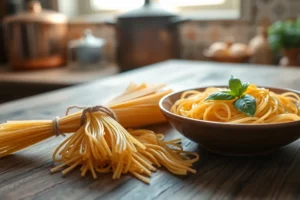
Barbatietole (pronounced bar-ba-TYEH-to-leh) is a traditional hand-rolled pasta originating from the Marche region of central Italy, particularly the provinces of Macerata and Fermo. The name is derived from the local dialect word barbatietola, meaning ‘little beard,’ a reference to the irregular, slightly twisted shape that resembles a tuft of hair or a small beard. This pasta is a classic example of pasta fatta in casa (homemade pasta) and is deeply rooted in the culinary heritage of the Marche.
Barbatietole is made from a simple dough of durum wheat semolina and water, though some variations include eggs for a richer texture. The dough is rolled into thin ropes, then cut into short lengths and hand-twisted or pressed to create a rough, porous surface that clings to sauces. Unlike extruded pasta, barbatietole is entirely hand-shaped, giving each piece a unique, artisanal character.
While barbatietole does not currently hold a DOP (Denominazione di Origine Protetta) or PGI (Indicazione Geografica Protetta) status, it is recognized as a Prodotto Agroalimentare Tradizionale (PAT) by the Italian Ministry of Agricultural Policies, ensuring its traditional production methods and regional authenticity. The PAT designation protects the recipe and techniques passed down through generations in the Marche.
Types & Grades
Barbatietole is primarily categorized by its preparation method and aging, though it is most commonly found as a fresh pasta. Below is a table outlining the main variations:
| Type | Description | Typical Use |
|---|---|---|
| Fresh Barbatietole | Made daily, sold within 24 hours. Soft, pliable texture. Often made with eggs. | Best for immediate cooking; ideal with light sauces or broths. |
| Dried Barbatietole | Air-dried for several days. Harder, longer shelf life. Typically egg-free. | Preferred for hearty ragùs; requires longer boiling time. |
| Whole-Wheat Barbatietole | Made with whole durum wheat semolina. Nutty flavor, higher fiber. | Pairs well with vegetable-based sauces or game meats. |
Grades are not officially standardized, but artisanal producers often label their barbatietole by the coarseness of the semolina (semola rimacinata vs. fine semolina) and the presence of eggs. The highest quality is made with semola di grano duro rimacinata (re-milled durum wheat semolina) from local Marche farms.
How It’s Used in Cooking
Barbatietole’s rough, porous surface makes it an excellent vehicle for thick, meat-based sauces. Traditional Marche recipes include:
- Barbatietole al ragù di agnello – A slow-cooked lamb ragù with tomatoes, rosemary, and white wine. The pasta’s texture captures the rich sauce.
- Barbatietole con sugo di maiale – Pork ragù with fennel seeds and pecorino cheese.
- Barbatietole in brodo – Served in a clear meat broth, often with grated Parmigiano-Reggiano.
In professional kitchens, barbatietole is often paired with guanciale or porcini mushrooms to highlight its earthy character. Chefs recommend cooking fresh barbatietole for 2–3 minutes in salted boiling water, while dried versions require 6–8 minutes. Always reserve some pasta water to adjust sauce consistency.
“Barbatietole is the soul of Marche home cooking – each twist tells a story of patience and tradition.” – Chef Maria Grazia, Ascoli Piceno
How to Choose/Identify Authentic Barbatietole
When purchasing barbatietole, look for these authenticity cues:
- Appearance: Irregular, hand-twisted shapes with visible ridges. Machine-made versions are too uniform.
- Color: Pale yellow for egg-based; darker amber for egg-free semolina versions.
- Texture: Slightly rough to the touch; dried pieces should be brittle, not powdery.
- Labeling: Look for “Prodotto Tradizionale” or PAT certification. Avoid products with added preservatives or artificial colors.
- Origin: Ideally from a producer in the Marche region (e.g., from Fermo, Macerata, or Ascoli Piceno).
For commercial buyers, request samples and check for a clean, wheaty aroma. Authentic barbatietole should not have a stale or musty smell.
Substitutes
If barbatietole is unavailable, these Italian pasta shapes offer similar characteristics:
- Pici – Thick, hand-rolled pasta from Tuscany. Slightly chewier but works well with meat sauces.
- Maccheroncini di Campofilone – A PGI pasta from Marche, thinner and more delicate, but still hand-rolled.
- Strozzapreti – Twisted, short pasta from Emilia-Romagna and Tuscany. Similar texture and sauce-holding ability.
- Fettuccine all’uovo – For egg-based versions, fresh fettuccine can be used, though it lacks the hand-twisted ridges.
When substituting, adjust cooking times and sauce consistency accordingly. For dried barbatietole, pici or strozzapreti are the closest matches.
Conclusion
Barbatietole is a testament to the artisanal pasta-making traditions of the Marche region. Its hand-rolled, irregular shape and robust texture make it a favorite for hearty ragùs and broths. While not widely known outside Italy, its PAT recognition ensures that authentic versions remain true to their roots. Whether you are a home cook or a professional chef, seeking out genuine barbatietole from Marche producers will elevate your pasta dishes with a taste of Italian heritage.
FAQ
What is barbatietole pasta?
Barbatietole is a traditional hand-rolled pasta from the Marche region of Italy, made from durum wheat semolina and water (sometimes eggs). It has an irregular, twisted shape that helps it hold thick sauces like lamb or pork ragù.
Is barbatietole the same as pici?
No, though both are hand-rolled. Pici is from Tuscany and is thicker and chewier, while barbatietole is shorter and more twisted. They can be used as substitutes in some recipes.
Where can I buy authentic barbatietole?
Authentic barbatietole is best sourced from artisanal producers in the Marche region, either directly or through specialty Italian food stores. Look for PAT certification on the label to ensure traditional production methods.

Leave a Reply