
Short Answer
What It Is
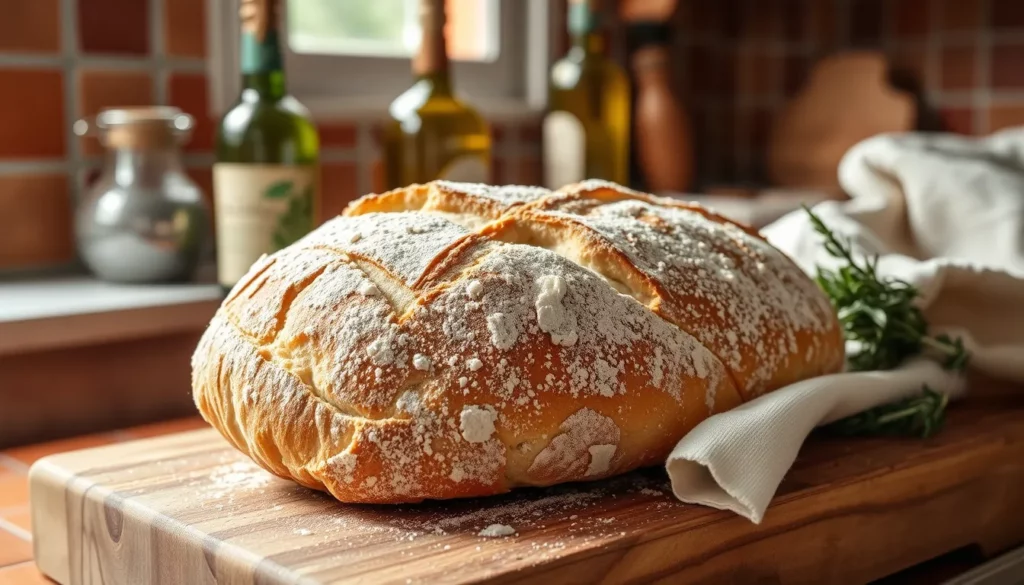
Pagnotta (pronounced pah-NYOT-tah) is a traditional Italian bread characterized by its round, often domed shape and dense, chewy crumb. The term itself derives from the Latin panis (bread) and the suffix -otta, indicating a large or coarse loaf. While the word is used generically across Italy to describe any round loaf, several specific regional varieties have gained protected status under European Union regulations, most notably Pagnotta del Dittaino (DOP) from Sicily and Pagnotta di Montefeltro (PGI) from the Marche region.
The production method for authentic Pagnotta relies on simple, time-honored techniques. The dough is typically made from durum wheat semolina (for Dittaino) or a blend of soft wheat flours, water, natural yeast (lievito madre), and salt. After a long, slow fermentation—often 12 to 24 hours—the dough is shaped into a round loaf, scored with a cross or other pattern, and baked in a wood-fired oven. The result is a bread with a thick, crackling crust and an airy yet resilient crumb, capable of absorbing sauces and olive oil without disintegrating.
Historically, Pagnotta was a staple of the Italian peasant diet, prized for its keeping qualities. The dense crumb and low moisture content allowed it to remain edible for several days, making it ideal for workers who needed portable sustenance. Today, it is celebrated both as a table bread and as a key ingredient in iconic dishes such as panzanella (Tuscan bread salad) and ribollita (hearty vegetable soup).
Types & Grades
Pagnotta is not a single, uniform product; it encompasses a range of styles defined by region, flour type, and aging. The table below outlines the most recognized classifications:
| Type | Region | Flour | Aging | Protected Status |
|---|---|---|---|---|
| Pagnotta del Dittaino | Sicily (Enna, Caltanissetta, Catania) | Durum wheat semolina | 1–3 days | DOP |
| Pagnotta di Montefeltro | Marche (Montefeltro area) | Soft wheat (Tipo 0 or 1) | 1–2 days | PGI |
| Pagnotta Toscana | Tuscany | Soft wheat, often unsalted | 2–4 days | None (traditional) |
| Pagnotta Rustica | Various | Whole wheat or mixed grains | 2–3 days | None |
Beyond these, bakers often grade Pagnotta by its stage of freshness:
- Fresca (Fresh): Consumed within hours of baking, with a soft crumb and crisp crust. Ideal for simple enjoyment with olive oil.
- Di un giorno (One-day old): Slightly firmer, perfect for toasting or making bruschetta.
- Rafferma (Stale): After two or more days, the bread hardens. This is the preferred state for panzanella, ribollita, and breadcrumbs (pangrattato).
How It’s Used in Cooking
Pagnotta’s robust structure makes it exceptionally versatile in Italian cuisine. Its ability to hold up to moisture without turning to mush is a defining characteristic. Below are the most traditional applications:
Bruschetta
Thick slices of day-old Pagnotta are grilled or toasted, rubbed with garlic, drizzled with extra-virgin olive oil, and topped with fresh tomatoes, basil, or other seasonal ingredients. The bread’s firm crumb provides the perfect canvas.
Panzanella
This Tuscan bread salad relies on stale Pagnotta. The bread is soaked in water, squeezed dry, then tossed with tomatoes, cucumbers, red onion, basil, and a vinaigrette. The bread absorbs the dressing, becoming the heart of the dish.
Ribollita
A hearty Tuscan soup made with leftover vegetables, beans, and stale Pagnotta. The bread is added to the soup and cooked until it thickens, creating a satisfying, porridge-like consistency.
Pappa al Pomodoro
A thick tomato and bread soup from Tuscany, where stale Pagnotta is simmered with tomatoes, garlic, basil, and olive oil until it breaks down into a creamy, comforting dish.
Breadcrumbs (Pangrattato)
Stale Pagnotta is grated or ground into coarse breadcrumbs, then toasted with olive oil, garlic, and herbs. Used as a topping for pasta, vegetables, or baked dishes.
“Il pane raffermo è il segreto della cucina povera.” – Italian proverb (Stale bread is the secret of peasant cooking.)
How to Choose/Identify Authentic Pagnotta
For chefs, home cooks, and specialty food buyers, selecting genuine Pagnotta requires attention to several cues:
- Look for the DOP/PGI seal: For Pagnotta del Dittaino, the packaging must bear the European DOP logo and the producer’s certification number. Pagnotta di Montefeltro carries the PGI mark.
- Check the ingredient list: Authentic Pagnotta del Dittaino contains only durum wheat semolina, water, natural yeast, and salt. No additives, preservatives, or commercial yeast should be present.
- Examine the crust: A true wood-fired Pagnotta has a thick, dark golden crust with slight blistering and a flour-dusted surface. The scoring (often a cross) should be deep and irregular.
- Feel the weight: A well-made Pagnotta is dense and heavy for its size. A light, airy loaf indicates over-proofing or commercial shortcuts.
- Smell and taste: The aroma should be nutty and slightly sour from the long fermentation. The crumb should be chewy, with a mild tang and a hint of toasted wheat.
- Source from reputable producers: In Italy, look for bakeries affiliated with the Consorzio di Tutela della Pagnotta del Dittaino DOP or the Associazione Panificatori in Montefeltro. For export, specialty Italian grocers or online retailers with direct import relationships are reliable.
Substitutes
When Pagnotta is unavailable, several Italian breads can serve as substitutes, each with specific culinary contexts:
- Pane Toscano (Tuscan bread): Unsalted and with a similar dense crumb, it is the closest substitute for Tuscan-style Pagnotta. Ideal for panzanella and ribollita.
- Pane di Matera (PGI): A large, round loaf from Basilicata made with durum wheat. Its firm crumb and thick crust make it excellent for bruschetta and soups.
- Ciabatta: While lighter and more open in crumb, ciabatta can be used for bruschetta if toasted well. Not suitable for panzanella due to its airy structure.
- Filoncino or Pane Casareccio: Rustic Italian loaves with a chewy crumb; good for bread salads when slightly stale.
For non-Italian alternatives, a dense sourdough boule with a thick crust can approximate Pagnotta’s texture, though the flavor profile will differ.
Conclusion
Pagnotta is far more than a simple round loaf; it is a testament to Italy’s regional bread-making traditions, from the sun-baked fields of Sicily to the rolling hills of Tuscany. Whether enjoyed fresh with olive oil, transformed into a classic panzanella, or used to thicken a ribollita, this bread embodies the principle of cucina povera—making the most of simple, high-quality ingredients. When selecting Pagnotta, look for protected designations, traditional production methods, and the unmistakable character of a well-fermented, wood-fired loaf. By understanding its history, varieties, and uses, you can bring an authentic taste of Italy to your table.
FAQ
What is Pagnotta?
Pagnotta is a traditional Italian round loaf bread, known for its dense crumb and thick crust. It can refer to a generic style or to specific protected varieties such as Pagnotta del Dittaino DOP from Sicily or Pagnotta di Montefeltro PGI from the Marche region. It is made with simple ingredients (flour, water, natural yeast, salt) and often baked in a wood-fired oven.
How is Pagnotta different from ciabatta?
Pagnotta is round, dense, and has a thick, crackling crust, while ciabatta is elongated, with a more open, airy crumb and a thinner crust. Pagnotta is better suited for absorbing sauces and for dishes like panzanella, whereas ciabatta is ideal for sandwiches and bruschetta when fresh.
Can I substitute Pagnotta with regular sourdough bread?
Yes, a dense, crusty sourdough boule can be a good substitute for Pagnotta in many recipes, especially for bruschetta or bread salads. However, the flavor and texture will differ—Italian Pagnotta often has a milder tang and a more uniform crumb. For authentic results, seek out Italian-style breads like Pane Toscano or Pane di Matera.


Leave a Reply