
Short Answer
What Is Bavette, Bavettine? Italian Pasta Explained
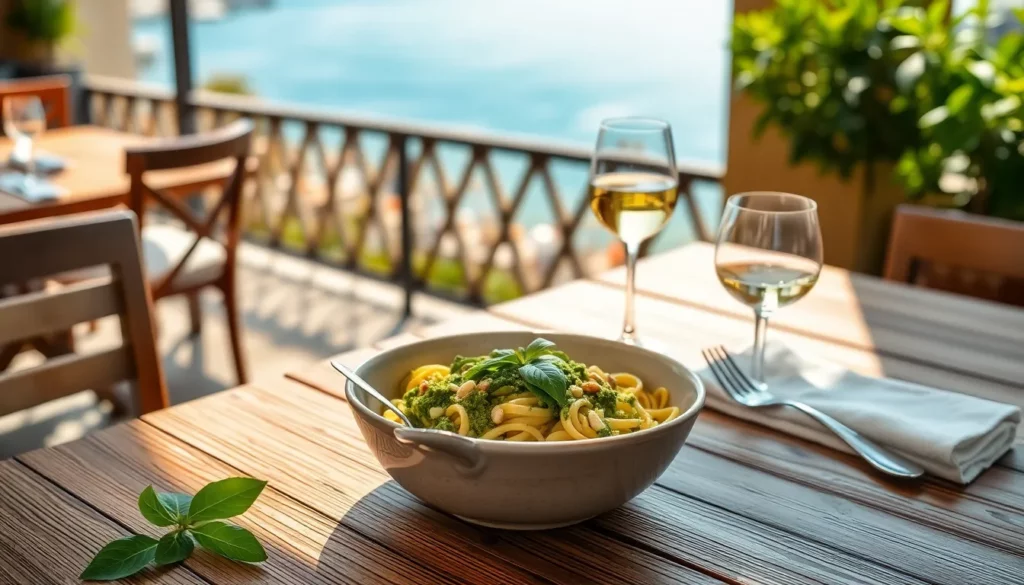
Bavette (singular: Bavetta) and Bavettine are thin, flat, ribbon-like pasta shapes from the Liguria region of northwestern Italy. They are essentially a narrower version of tagliatelle, often compared to linguine but with a slightly more delicate, porous surface that clings to sauces exceptionally well. Bavette are typically about 2–3 mm wide, while Bavettine are even thinner, around 1–2 mm. Both are made from durum wheat semolina and water, though fresh egg versions exist in some households. Their name derives from the Italian word bavetta, meaning “little drool” or “bib,” likely referring to their shape or the way they catch sauce. They are most famously paired with pesto alla Genovese, the iconic basil sauce of Genoa.
Origin & History
Bavette and Bavettine originate from Liguria, specifically the area around Genoa. Their history is intertwined with the region’s culinary traditions, which emphasize fresh, simple ingredients. While the exact date of creation is unclear, they likely emerged in the 19th century alongside the rise of dried pasta production in Italy. Unlike many pasta shapes that have documented origins in specific towns, Bavette and Bavettine are more of a traditional artisan shape, often made by hand or with simple dies. They are closely related to trenette (another Ligurian pasta) and linguine (from Campania). A popular anecdote claims that the shape was designed to mimic the local sea grass, but this is likely a romanticized myth. What is certain is that their flat, narrow form is ideal for capturing the coarse, oily pesto without overwhelming it.
What’s In It
The core ingredients for dried Bavette/Bavettine are durum wheat semolina and water. Fresh versions may include eggs, but this is less common. The dough is extruded through bronze dies, giving the pasta a rough, porous texture that helps sauces cling. Key preparation nuances: Bavette are typically cooked al dente in well-salted water and then tossed directly with the sauce—often pesto, but also simple tomato sauces, seafood, or butter and sage. They are not typically used in baked dishes. Differentiation from similar pasta: Linguine are rounder and slightly thicker; tagliatelle are wider; fettuccine are egg-based and wider. Bavette are flatter and more delicate than linguine, making them ideal for lighter sauces.

Regional Variations
While Bavette and Bavettine are primarily Ligurian, they appear in neighboring regions with slight differences:
- Liguria (Genoa): The classic pairing is with pesto alla Genovese, green beans, and potatoes. The pasta is often served as a primo piatto (first course) with a generous grating of Parmigiano-Reggiano or Pecorino.
- Piedmont: Here, Bavette might be served with a butter and truffle sauce, reflecting the region’s prized white truffles. The pasta is sometimes made with eggs for a richer flavor.
- Campania (Naples): In southern Italy, a similar shape called linguine is more common, but Bavette are sometimes used with seafood sauces like linguine alle vongole (clams). The texture is slightly different due to different drying methods.
- Sicily: Sicilian versions may incorporate saffron or anchovy-based sauces, but Bavette are less traditional here; bucatini or spaghetti are preferred.
| Region | Typical Sauce | Key Ingredient |
|---|---|---|
| Liguria | Pesto alla Genovese | Basil, pine nuts, garlic, olive oil, Parmigiano |
| Piedmont | Butter & truffle | White truffle, butter, Parmigiano |
| Campania | Seafood (vongole) | Clams, garlic, white wine, parsley |
How It’s Traditionally Eaten
Bavette and Bavettine are almost always served as a primo piatto (first course) in a traditional Italian meal. They are not typically eaten as a main dish or side. In Liguria, they are often part of a Sunday lunch or festive meal, especially when paired with pesto. The pasta is cooked al dente and then tossed in a large bowl with the sauce, sometimes with a little pasta water to emulsify. It is served immediately, often with extra cheese on the side. For special occasions, such as a wedding or holiday, Bavette might be served with a more elaborate sauce like walnut pesto or seafood. Everyday versions are simple: pesto or a quick tomato and basil sauce.
Common Mistakes / What It’s Not
One common mistake is confusing Bavette with linguine. While similar, linguine are rounder and slightly thicker; Bavette are flatter and more delicate. Another misconception is that Bavette are always fresh; in fact, dried versions are more common and authentic for pesto. Some American-Italian recipes treat Bavette as a substitute for fettuccine in Alfredo sauce, which is not traditional. Bavette are not meant for heavy cream sauces; their delicate texture is best with light, oil-based sauces. Also, Bavette are not the same as trenette, though they are often used interchangeably in Liguria. Finally, avoid overcooking: Bavette should be firm to the bite.
Where to Try It / What to Order
For an authentic experience, visit Liguria, especially Genoa. Look for trattorias that serve trenette al pesto (often made with Bavette). In Genoa, try Trattoria da Maria or Osteria di Vico Palla. Outside Italy, seek out Italian restaurants that specialize in regional cuisine. When ordering, ask for Bavette al pesto or Bavettine con le vongole. If you’re cooking at home, buy bronze-die extruded dried Bavette from Italian brands like De Cecco or La Molisana. For fresh, look for artisanal pasta makers. The annual Pesto World Championship in Genoa is a great place to taste authentic versions.
Related Dishes
- Linguine: The Rounder Cousin
- Trenette: Another Ligurian Classic
- Pesto alla Genovese: The Perfect Pairing
- Tagliatelle vs Fettuccine: A Width Comparison
- Exploring Ligurian Cuisine
FAQ
What is the difference between Bavette and Bavettine?
Bavettine are simply a thinner version of Bavette. Both are long, flat pasta from Liguria, but Bavettine are about 1-2 mm wide, while Bavette are 2-3 mm. They are used interchangeably in recipes, though Bavettine cook slightly faster.
Can I substitute linguine for Bavette?
Yes, linguine is the closest substitute, but note that linguine are rounder and slightly thicker. The texture and sauce adherence will differ. For pesto, Bavette are ideal because their flat surface catches the sauce better.
Is Bavette the same as tagliatelle?
No. Tagliatelle are wider (6-8 mm) and typically made with eggs. Bavette are narrower and usually made with only semolina and water. They are from different regions: tagliatelle from Emilia-Romagna, Bavette from Liguria.
What sauce is traditional for Bavette?
The most traditional sauce is pesto alla Genovese. Other Ligurian sauces include walnut pesto, tomato and basil, or seafood like clams. Avoid heavy cream sauces.
Where can I buy authentic Bavette pasta?
Look for bronze-die extruded dried pasta from Italian brands like De Cecco, La Molisana, or Rustichella d'Abruzzo. Fresh Bavette can be found at specialty Italian markets or made at home with a pasta machine.
Leave a Reply