
Short Answer
What Is Storione? Italian Sturgeon Explained
Storione is the Italian name for sturgeon, a large, ancient fish belonging to the family Acipenseridae. In Italian cuisine, storione refers specifically to the freshwater sturgeon species native to the Po River basin and the northern Adriatic Sea, most notably Acipenser sturio (European sturgeon) and Acipenser naccarii (Adriatic sturgeon). Prized for its firm, white, delicately flavored flesh and its roe—the source of true Italian caviar—storione has been a symbol of culinary luxury in Northern Italy for centuries. Key ingredients in storione dishes include the fish itself, often prepared simply with butter, sage, and lemon, or incorporated into risotti, carpione, and grilled preparations.
Origin & History
The history of storione in Italian cuisine is deeply intertwined with the Po Valley, a region that stretches across Lombardy, Veneto, and Emilia-Romagna. Archaeological evidence suggests that sturgeon were fished in the Po River as early as Roman times, when the fish was considered a delicacy reserved for emperors and nobles. During the Middle Ages, storione became a staple of aristocratic banquets in cities like Ferrara, Mantua, and Venice, where it was often served poached or roasted with spices. The fish’s roe, known as caviale, was harvested and traded along the Adriatic coast, establishing Italy as a historic producer of caviar long before the rise of Russian and Iranian exports. However, overfishing and habitat destruction led to a dramatic decline in wild sturgeon populations by the 20th century. Today, storione is primarily farmed in sustainable aquaculture facilities in Lombardy and Veneto, reviving a tradition that nearly vanished. A unique cultural anecdote: in the 16th century, the Este family of Ferrara would host elaborate “sturgeon feasts” where the fish was paraded through the streets before being cooked in a giant copper pot.
What’s In It
Storione as an ingredient is defined by its versatility and subtle flavor. The flesh is lean, with a meaty texture that holds up well to various cooking methods. Core preparations include:

- Risotto allo storione: Arborio or Carnaroli rice cooked with fish broth, butter, and chunks of storione, often finished with Parmigiano-Reggiano and fresh parsley.
- Storione in carpione: Pan-seared fillets marinated in a mixture of vinegar, white wine, onions, and herbs, served cold as an antipasto.
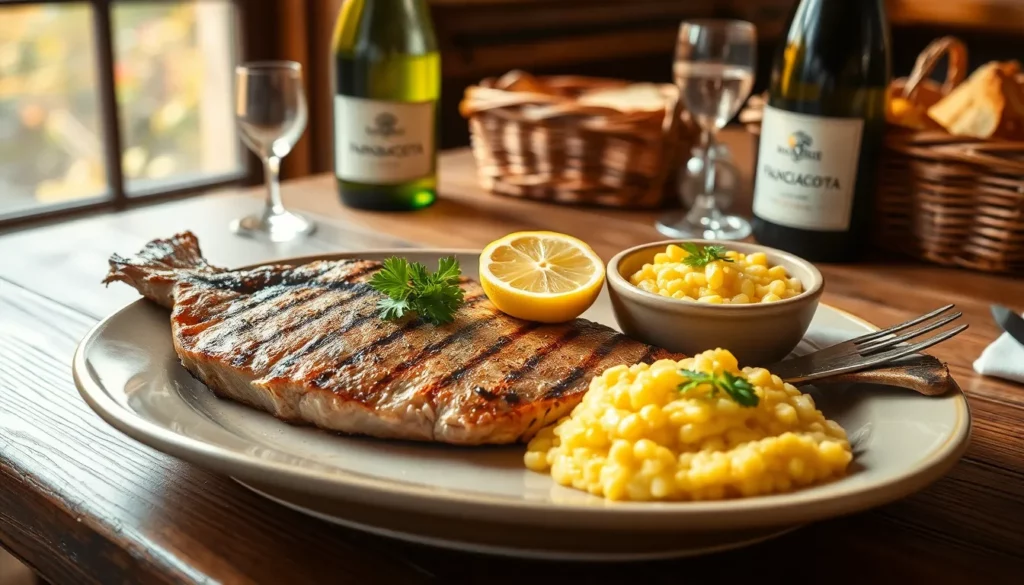
- Storione alla griglia: Grilled steaks seasoned with olive oil, salt, and pepper, sometimes accompanied by a salsa verde.
- Bottarga di storione: The salted, dried roe of sturgeon, grated over pasta or salads—a rare and prized ingredient.
Unlike similar-sounding Italian fish dishes such as baccalà (salt cod) or branzino (sea bass), storione is never fried in heavy batter and is rarely served with tomato-based sauces. Its preparation emphasizes the purity of the fish, often using minimal seasoning to let the natural flavor shine.
Regional Variations
Storione is prepared differently across Northern Italy, reflecting local traditions and available ingredients. The table below highlights key regional differences:
| Region | Typical Preparation | Key Characteristics |
|---|---|---|
| Lombardy | Risotto allo storione with saffron | Rich, creamy risotto; saffron adds color and earthiness; often served as a primo. |
| Veneto | Storione in carpione | Marinated and served cold; a classic antipasto in Venetian trattorias; tangy and herbaceous. |
| Emilia-Romagna | Storione alla griglia with balsamic vinegar | Grilled steaks drizzled with aged balsamic from Modena; sweet-sour contrast. |
| Piedmont | Storione al forno with truffles | Baked with white truffle shavings; a luxurious winter dish. |
In addition, the Friuli-Venezia Giulia region sometimes prepares storione in a savòr sauce (a sweet-sour condiment made with vinegar, sugar, and pine nuts), reflecting Central European influences.
How It’s Traditionally Eaten
Storione occupies a flexible place in the Italian meal structure. It can appear as:
- Antipasto: Carpione or thinly sliced smoked storione served with bread and butter.
- Primo: Risotto allo storione or pasta with bottarga di storione.
- Secondo: Grilled or baked storione fillets, often accompanied by a contorno of roasted vegetables or a simple salad.
Traditionally, storione is considered a festive dish, associated with holidays such as Christmas Eve (when fish is preferred over meat) and special family gatherings. In the Po Valley, it is also enjoyed during the autumn sagra (food festivals) dedicated to local products. Pairings include crisp white wines like Franciacorta, Lugana, or a dry Prosecco, which cut through the richness of the fish. Bottarga di storione is often grated over spaghetti aglio e olio or served on crostini as an elegant appetizer.
Common Mistakes / What It’s Not
One frequent misconception, especially in American-Italian contexts, is that storione is interchangeable with swordfish or tuna. In reality, storione has a much milder, more delicate flavor and a firmer, less flaky texture. Another error is assuming that all Italian caviar comes from storione; while true caviar is sturgeon roe, many inexpensive products labeled “Italian caviar” may come from other fish like mullet or salmon. Authentic caviale italiano must be from farmed storione in designated regions. Additionally, storione is not a common ingredient in southern Italian cuisine; it is strictly a northern specialty. Travelers should not expect to find it on menus in Naples or Sicily unless at high-end restaurants specializing in imported fish. Finally, storione is not a “poor man’s fish”—its historical status as a luxury item means it commands a higher price, and cheap substitutes are not the same.
Where to Try It / What to Order
For an authentic storione experience, head to the Po Valley. In Lombardy, visit Ristorante Al Pescatore in Mantua, known for its risotto allo storione. In Veneto, Osteria da Fiore in Venice offers a classic storione in carpione. In Emilia-Romagna, Trattoria La Buca in Ferrara serves grilled storione with balsamic reduction. For farm-to-table freshness, consider a tour of Agriturismo La Storia in the province of Cremona, which raises its own sturgeon and offers tasting menus. When ordering, ask for storione di allevamento (farmed storione) to ensure sustainability. If you encounter bottarga di storione, try it grated over spaghetti with lemon and olive oil—a simple yet sublime dish. Festivals like the Sagra dello Storione in Peschiera del Garda (May) celebrate the fish with cooking demonstrations and tastings.
Related Dishes
FAQ
What is storione?
Storione is the Italian word for sturgeon, a large freshwater fish native to the Po River basin. It is prized for its delicate flesh and its roe, which is used to make Italian caviar.
Is storione the same as caviar?
No, storione is the fish itself. Caviar is the salted roe (eggs) harvested from sturgeon. Italian caviar is made from storione roe, but the terms are not interchangeable.
Where does storione come from?
Storione is native to the Po River and the northern Adriatic Sea. Today, most storione consumed in Italy comes from sustainable aquaculture farms in Lombardy and Veneto.
How is storione traditionally cooked?
Common preparations include risotto allo storione, storione in carpione (marinated and served cold), grilled steaks, and baked with truffles. It is rarely fried or served with heavy sauces.
Can I find storione outside of Italy?
Yes, but it is less common. High-end Italian restaurants or specialty seafood markets may carry farmed storione. Look for it on menus in cities with strong Italian culinary traditions.
Leave a Reply