
Short Answer
What Is Calamaretti? Italian Seafood Dish Explained
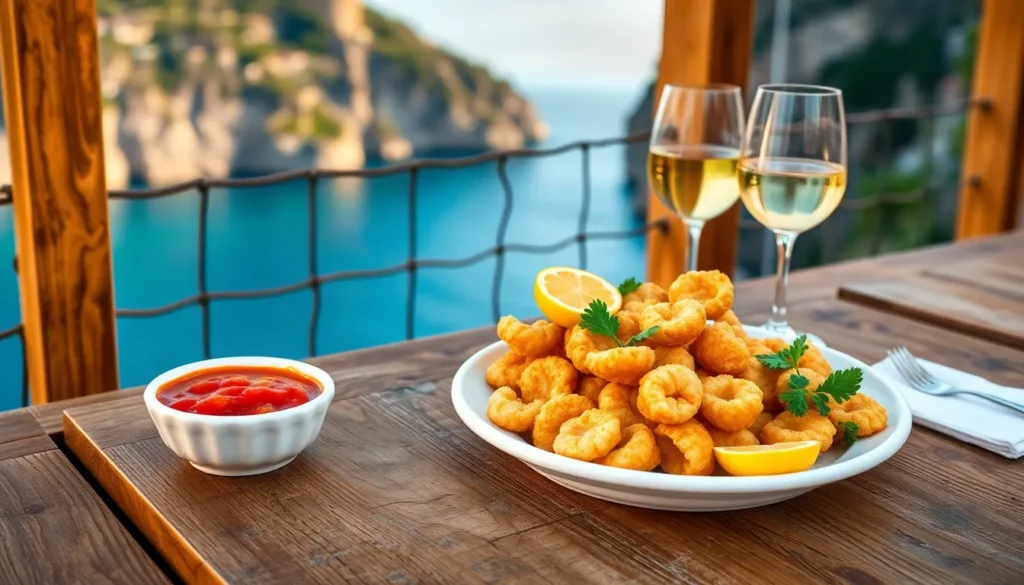
Calamaretti are small, whole squid (typically Loligo vulgaris or similar species) that are a staple of Italian coastal cuisine, especially in regions like Campania, Sicily, and Puglia. Unlike larger calamari, which are often sliced into rings, calamaretti are usually cooked whole or halved, prized for their tender texture and mild, slightly sweet flavor. They are commonly served as a fritto misto (mixed fried seafood) appetizer, tossed with pasta in a light tomato or white wine sauce, or simply grilled with olive oil and lemon. The key ingredients are fresh squid, olive oil, garlic, parsley, and lemon, with regional variations adding chili, capers, or tomatoes.
Origin & History
The tradition of eating small squid in Italy dates back to ancient Roman times, when sepiola (small cuttlefish) and similar cephalopods were harvested along the Mediterranean coast. However, the specific term calamaretti (the diminutive of calamaro, meaning squid) emerged in the 19th century as Italian coastal communities refined their fishing and cooking techniques. The dish is most closely associated with the Amalfi Coast and the island of Sicily, where fishermen would quickly cook the day’s catch in simple, rustic preparations. Unlike the myth that calamaretti are a modern invention, historical cookbooks from Naples (such as Ippolito Cavalcanti’s 1837 Cucina Teorico-Pratica) describe similar recipes for small squid stewed with wine and herbs. The dish gained international popularity in the 20th century through Italian emigration, but authentic calamaretti remain a regional specialty, often enjoyed in seaside trattorias.
What’s In It
The core ingredients for a classic calamaretti dish are minimal, reflecting the Italian philosophy of letting the seafood shine. For a typical calamaretti fritti (fried calamaretti), you need:
- Fresh calamaretti (cleaned, bodies and tentacles intact)
- All-purpose flour or semolina for dredging
- Extra virgin olive oil for frying
- Salt and black pepper
- Lemon wedges for serving
For a pasta dish like spaghetti ai calamaretti, the sauce often includes garlic, white wine, cherry tomatoes, fresh parsley, and a pinch of red chili flakes. The key preparation nuance is to avoid overcooking: calamaretti become tough if cooked longer than 2–3 minutes. They are typically cleaned by removing the quill (pen), beak, and eyes, but the skin is left on for flavor. This differentiates them from larger calamari, which are often skinned and cut into rings. Calamaretti are also distinct from seppioline (small cuttlefish), which have a thicker, more robust texture and a darker ink.
Regional Variations
Calamaretti are prepared differently across Italy, reflecting local tastes and available ingredients. Below is a comparison of three major regional styles:
| Region | Typical Preparation | Key Ingredients | Serving Style |
|---|---|---|---|
| Campania (Naples/Amalfi) | Fritto misto or calamaretti alla luciana (stewed with tomatoes, garlic, and white wine) | San Marzano tomatoes, garlic, white wine, parsley, chili | As a secondo (main course) with crusty bread or as a contorno (side dish) |
| Sicily | Grilled or baked with breadcrumbs, lemon, and oregano; also in pasta con le sarde (with sardines) | Breadcrumbs, lemon, oregano, anchovies, pine nuts | As a primo (pasta course) or antipasto |
| Puglia | Fried in a light batter of chickpea flour (panelle style) or stewed with capers and olives | Chickpea flour, capers, olives, cherry tomatoes, basil | As a street food snack or antipasto |
In addition, the Veneto region sometimes serves calamaretti in a grigliata mista (mixed grill) with polenta, while in Liguria they are added to ciuppin (fish stew).
How It’s Traditionally Eaten
Calamaretti are versatile in the Italian meal structure. They most commonly appear as:
- Antipasto: Fried calamaretti served with lemon wedges and aioli or marinara sauce (though the latter is more American-Italian). In Italy, they are often simply salted and eaten with a squeeze of lemon.
- Primo: Tossed with pasta (spaghetti, linguine, or bucatini) in a light sauce, making a primo piatto that is both satisfying and delicate.
- Secondo: Grilled or stewed as a main course, accompanied by vegetables or salad.
Typical pairings include crisp white wines like Vermentino or Falanghina, and crusty bread to soak up the juices. Calamaretti are considered an everyday dish in coastal regions, but they also appear on festive menus during summer seafood festivals (sagre). They are not typically associated with major holidays like Christmas or Easter, but rather with the abundance of the Mediterranean summer.
Common Mistakes / What It’s Not
Many American-Italian restaurants serve frozen, pre-breaded squid rings labeled as calamari, which is a far cry from authentic calamaretti. Common misconceptions include:
- Mistaking calamaretti for large calamari: Calamaretti are smaller (3–5 inches) and are cooked whole; large calamari are often cut into rings and can be tougher if not tenderized.
- Overcooking: Calamaretti need only 1–2 minutes of cooking; longer results in rubbery texture.
- Heavy batter: Authentic Italian frying uses a light dusting of flour, not thick beer batter or breadcrumbs.
- Serving with heavy sauces: Traditional preparations highlight the squid’s flavor, not drown it in marinara or creamy dressings.
Calamaretti are not a pasta shape (despite the name sounding like a pasta), nor are they a type of mollusk other than squid. They are also not the same as calamaretti di paranza, which is a mix of small fish and squid.
Where to Try It / What to Order
For an authentic experience, head to coastal regions of Italy. In Naples, try calamaretti alla luciana at a trattoria in the Santa Lucia district. In Sicily, visit a friggitoria in Palermo for fried calamaretti served in a paper cone. In Puglia, look for calamaretti fritti con farina di ceci at a street food stall in Bari. When ordering, ask for calamaretti freschi (fresh) and specify your preferred preparation: fritti (fried), grigliati (grilled), or in umido (stewed). If dining outside Italy, seek out Italian-owned seafood restaurants that source small squid and prepare them simply. Avoid places that offer only frozen, pre-breaded rings.
Related Dishes
FAQ
What is the difference between calamari and calamaretti?
Calamari is the general Italian term for squid, but in English it often refers to larger squid cut into rings. Calamaretti are specifically small, whole squid (typically 3–5 inches) that are cooked intact. They have a more delicate texture and are usually prepared with minimal seasoning to highlight their natural flavor.
How to cook calamaretti so they are tender?
The key is quick cooking over high heat. For frying, dredge in flour and fry in hot oil (350°F/175°C) for 1–2 minutes until golden. For stewing, add them to the sauce in the last 2–3 minutes of cooking. Overcooking causes the proteins to tighten, resulting in a rubbery texture. Also, ensure they are fresh; frozen calamaretti can release water and become tough.
Are calamaretti served as a main course or appetizer?
They can be both. In Italy, fried calamaretti are a common antipasto (appetizer), often part of a fritto misto. Grilled or stewed calamaretti are served as a secondo (main course) with vegetables or salad. When tossed with pasta, they become a primo (first course). The portion size determines the course.
Can I substitute calamaretti with larger squid in recipes?
Yes, but you must adjust cooking time and cut the larger squid into small pieces or rings. Larger squid are tougher and benefit from tenderizing (e.g., scoring) or longer braising. The flavor is similar, but the texture will be different.
What wine pairs best with calamaretti?
Crisp, acidic white wines complement the delicate flavor. Vermentino, Falanghina, Greco di Tufo, or a dry Pinot Grigio are excellent choices. For fried calamaretti, a light sparkling wine like Prosecco also works well.


Leave a Reply