
Short Answer
What It Is
Lardo is a cured pork fatback, traditionally produced in the marble quarries of Colonnata, a small village in the Apuan Alps of Tuscany, Italy. The fat is taken from the back of the pig, trimmed, and then layered with salt, pepper, rosemary, garlic, and other aromatic herbs. It is aged for a minimum of six months, often up to a year, in special marble basins called conche. The marble’s cool, constant temperature and slight porosity help draw out moisture while infusing the fat with mineral notes. Lardo di Colonnata has been granted IGP (Indicazione Geografica Protetta) status by the European Union, ensuring that only fat produced in the designated area using traditional methods can bear the name. The result is a silky, ivory-colored fat with a delicate, savory flavor that melts on the tongue.
Types & Grades
Lardo is categorized primarily by its origin and aging duration. The most prestigious is Lardo di Colonnata IGP, but other Italian regions produce variations. Below is a table summarizing the main types:
| Type | Origin | Aging | Characteristics |
|---|---|---|---|
| Lardo di Colonnata IGP | Colonnata, Tuscany | 6–12 months | Marble-aged, delicate herb aroma, creamy texture |
| Lardo di Arnad IGP | Arnad, Aosta Valley | 3–6 months | Aged in chestnut wood, spicier, firmer |
| Lardo di Valle d’Aosta | Aosta Valley | 4–8 months | Herb-rubbed, often smoked, robust flavor |
| Lardo di Suino Pesante | Various (e.g., Emilia-Romagna) | 6–12 months | From heavy pigs, more intense pork flavor |
Grades are also distinguished by aging: Giovane (young, 6 months) is softer and milder; Stagionato (aged, 12+ months) is firmer and more concentrated. Some producers offer Extra Vecchio (over 18 months) with a crystalline texture and intense savoriness.
How It’s Used in Cooking
Lardo is incredibly versatile. Its high fat content and low moisture make it ideal for both raw and cooked applications.
Traditional Italian Uses
- Raw on bread: Thinly sliced Lardo served on warm crostini or pane sciocco (unsalted Tuscan bread) allows the fat to soften and release its aromas.
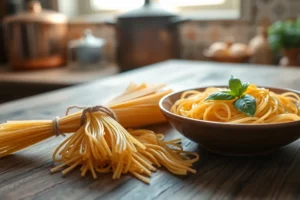
- Pasta: Lardo can be rendered to sauté aromatics for sauces like carbonara (though guanciale is more traditional) or used in amatriciana variations.
- Larding lean meats: Thin strips of Lardo are inserted into roasts (e.g., beef, game) to add moisture and flavor during cooking.
- Vegetable dishes: Wrapped around asparagus, artichokes, or fennel before roasting to impart richness.
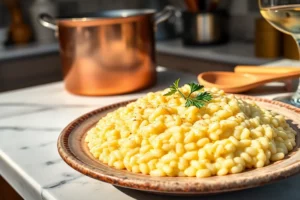
- Risotto: A small dice of Lardo melted at the end adds a velvety finish.
“Lardo is the butter of the Italian kitchen – it transforms simple ingredients into something sublime.” – Traditional Tuscan saying
How to Choose/Identify Authentic LARDO
When purchasing Lardo, look for these authenticity cues:
- IGP or DOP label: For Lardo di Colonnata, the IGP seal guarantees origin and method. Lardo di Arnad also has IGP.
- Marble aging: Authentic Colonnata Lardo is aged in marble. Ask the producer or check the packaging for mention of conche di marmo.
- Color and texture: Should be creamy white to pale ivory, with a smooth, silky surface. Avoid yellowing or dry edges.
- Aroma: Delicate scent of herbs, salt, and a faint mineral note. No rancid or overly smoky smell.
- Slice thickness: Traditionally sliced paper-thin (1–2 mm) using a special slicer. Pre-sliced packages should show even, translucent slices.
- Price: Authentic Lardo is not cheap. Expect to pay €30–50 per kg for quality IGP product.
For commercial buyers, request a certificate of origin or visit the producer’s website to verify IGP registration.
Substitutes
While Lardo is unique, several Italian cured fats can be used in its place depending on the dish:
- Guanciale: Cured pork jowl, fattier and more flavorful, ideal for pasta sauces like carbonara and amatriciana. Use when a stronger pork taste is desired.
- Pancetta: Cured pork belly, often rolled and spiced. Can be sliced thin for raw use or diced for cooking. Less delicate than Lardo but more accessible.
- Strutto (lard): Rendered pork fat, used for frying or baking. Not a direct substitute for raw applications but works for cooking.
- Speck: Smoked cured ham from Alto Adige, with a firmer texture and smoky flavor. Use when a smoky note is acceptable.
For raw consumption, guanciale or pancetta can be sliced thin, but they lack the silky melt of Lardo. In cooked dishes, any of these can replace Lardo with adjustments in salt and spice.
Conclusion
Lardo is a cornerstone of Italian charcuterie, embodying centuries of tradition and terroir. Whether enjoyed raw on crusty bread or used to enrich sauces and roasts, its unique texture and flavor elevate dishes. When selecting Lardo, prioritize IGP certification and marble aging for authenticity. While substitutes exist, none replicate the delicate, melting quality of true Lardo di Colonnata. Understanding its production and grades allows chefs and home cooks to appreciate and use this ingredient with confidence.
FAQ
What is Lardo made from?
Lardo is made from the back fat of pigs, which is trimmed, salted, and seasoned with herbs like rosemary, garlic, and pepper, then aged for several months.
Is Lardo the same as bacon?
No. Bacon is made from pork belly and is typically smoked and cooked. Lardo is pure fatback, cured and aged, often eaten raw. They have different textures and uses.
How should I store Lardo?
Lardo should be wrapped in parchment paper or a clean cloth and kept in the refrigerator. For long-term storage, it can be frozen. Bring to room temperature before serving for best texture.
Can I eat Lardo raw?
Yes, Lardo is traditionally eaten raw, sliced paper-thin. The curing process makes it safe to consume without cooking.


Leave a Reply