
Short Answer
What Is Capriolo? Italian Game Dish Explained
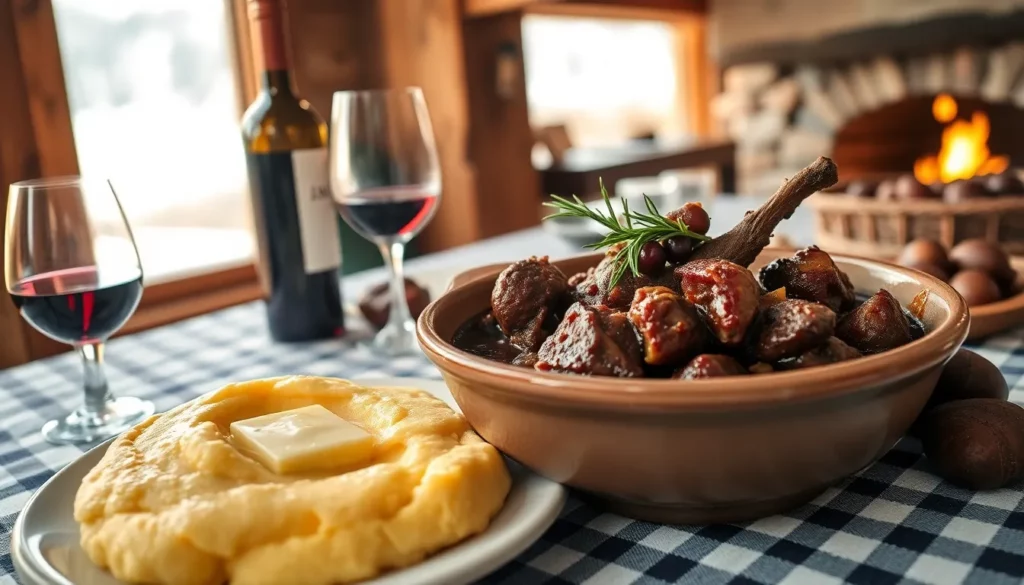
Capriolo (pronounced kah-pree-OH-loh) is the Italian term for roe deer (Capreolus capreolus) and, by extension, the traditional game dish prepared from its meat. This lean, dark, and subtly sweet venison is a cornerstone of Northern Italian cuisine, particularly in the Alpine and pre-Alpine regions such as Trentino-Alto Adige, Lombardy, Piedmont, and Veneto. Capriolo is typically braised or roasted with aromatic vegetables, red wine, herbs (rosemary, sage, juniper), and often enriched with pancetta or lardo to compensate for its low fat content. The dish is celebrated for its deep, earthy flavor and is most commonly served during autumn and winter, often accompanied by polenta, roasted chestnuts, or mushrooms.
Origin & History
The tradition of hunting and cooking capriolo dates back to ancient times in the Italian peninsula. Roe deer were abundant in the forests of the Alps and Apennines, and their meat was a valuable protein source for local populations. However, the dish as we know it today emerged during the Middle Ages, when noble families in the Duchy of Milan and the Republic of Venice refined game cookery. Historical cookbooks from the Renaissance, such as Bartolomeo Scappi’s Opera (1570), include recipes for roe deer stewed with wine, spices, and dried fruits—a precursor to modern preparations.
In the 19th century, capriolo became a symbol of regional identity in the Alpine valleys. The spread of hunting regulations and the rise of bourgeois cuisine elevated it from a peasant staple to a festive dish. Today, capriolo is protected under Italian game laws, and its consumption is closely tied to sustainable hunting practices. A popular anecdote tells of the annual Sagra del Capriolo in the town of Fiera di Primiero (Trentino), where locals celebrate the harvest with a communal feast featuring the dish.
What’s In It
The core ingredients of a classic capriolo preparation are:
- Roe deer meat (usually shoulder, leg, or saddle) – lean and gamey, requiring marination.
- Red wine (e.g., Valpolicella, Nebbiolo, or a local red) – for marinating and braising.
- Aromatic vegetables (carrots, celery, onions) – the classic soffritto base.
- Herbs and spices – rosemary, sage, bay leaves, juniper berries, cloves, and black pepper.
- Pancetta or lardo – added for moisture and richness.
- Stock or broth – often game or beef stock.
- Tomato paste or passata (optional) – used in some regional versions to deepen color and flavor.
- Butter or olive oil – for searing.
Preparation nuances: The meat is typically marinated for 12–24 hours in wine and aromatics to tenderize and reduce gaminess. After searing, it is slowly braised for 2–3 hours until fork-tender. The sauce is often strained and finished with a knob of butter for gloss. Capriolo differs from cervo (red deer) which is larger and less delicate, and from cinghiale (wild boar) which has a stronger, more pungent flavor.
Regional Variations
Capriolo varies significantly across Northern Italy, reflecting local wine preferences, available herbs, and cooking traditions. The table below compares three major regional styles:
| Region | Key Characteristics | Wine Used | Accompaniment |
|---|---|---|---|
| Trentino-Alto Adige | Marinated in local red wine (Teroldego or Lagrein) with juniper and rosemary; often cooked with mushrooms and served with polenta taragna (buckwheat polenta). | Teroldego Rotaliano | Polenta taragna, porcini mushrooms |
| Lombardy | Braised with pancetta, sage, and a touch of tomato; finished with a creamy sauce. Served with polenta unta (buttered polenta) or risotto. | Valtellina Superiore or Franciacorta | Buttered polenta, risotto alla milanese |
| Piedmont | Slow-cooked in Barolo or Barbaresco wine with cloves and cinnamon; often enriched with dark chocolate for depth. Served with tajarin (thin egg pasta) or roasted chestnuts. | Barolo or Barbaresco | Tajarin, chestnuts, truffle shavings |
Other notable variations include the Capriolo in salmì from Veneto, where the meat is marinated in wine and vinegar and cooked in its own juices, and the Capriolo alla cacciatora (hunter-style) from Friuli, which adds mushrooms and tomatoes.
How It’s Traditionally Eaten
Capriolo is served as a secondo piatto (main course) in a traditional Italian meal, following the primo (pasta or soup) and contorno (side dish). It is almost always accompanied by a hearty side such as polenta, roasted potatoes, or sautéed greens. The dish is considered a winter specialty and is often reserved for festive occasions like Christmas, New Year’s Eve, or hunting season feasts. In mountain refuges (rifugi) and agriturismi, it is a staple of the autumn menu.
Wine pairing is crucial: full-bodied reds with good acidity and tannins, such as Nebbiolo, Barolo, or a robust Pinot Nero from Alto Adige, complement the gamey flavors. A classic pairing is Polenta e Capriolo, where the creamy cornmeal balances the rich sauce.
Common Mistakes / What It’s Not
Many American-Italian adaptations mistakenly treat capriolo as a generic “venison stew” without respecting the marinade and slow-cooking techniques. Common errors include:
- Skipping the marinade – This results in tough, overly gamey meat. A proper marinade tenderizes and infuses flavor.
- Overcooking – Lean roe deer dries out quickly; braising at a low temperature is essential.
- Using sweet wines – Capriolo requires dry, tannic red wines; sweet wines clash with the savory profile.
- Confusing capriolo with cervo or daino – Roe deer is smaller and more delicate than red deer or fallow deer; recipes are not interchangeable.
- Adding too many spices – The goal is to enhance, not mask, the natural flavor of the meat.
Capriolo is not a pasta dish, nor is it a quick weeknight meal. It is a labor-intensive, celebratory dish that demands patience and respect for the ingredients.
Where to Try It / What to Order
For an authentic experience, visit the following regions and establishments:
- Trentino-Alto Adige – Rifugio Gardeccia in Val di Fassa or Osteria del Cappello in Trento. Order Capriolo con polenta taragna e funghi porcini.
- Lombardy – Trattoria del Glicine in Bergamo or Antica Osteria del Mirasole in Milan. Ask for Capriolo in umido con polenta.
- Piedmont – Ristorante del Cambio in Turin or Osteria del Vignaiolo in Barolo. Try Capriolo al Barolo con tajarin.
- Festivals – The Sagra del Capriolo in Fiera di Primiero (late October) and Festa del Cacciatore in various Alpine towns.
When ordering, specify capriolo (roe deer) rather than generic cervo (red deer). Ask if the meat is locally sourced and if the dish is prepared in salmì (marinated and braised) or arrosto (roasted).
Related Dishes
FAQ
What is capriolo in Italian cuisine?
Capriolo is the Italian term for roe deer and the traditional game dish made from its meat. It is a lean, flavorful venison typically braised or roasted with red wine, herbs, and vegetables, and is a specialty of Northern Italy.
How is capriolo different from cervo?
Capriolo (roe deer) is smaller and more delicate in flavor than cervo (red deer). Roe deer meat is leaner and requires careful marination to avoid dryness, while red deer has a stronger gamey taste and coarser texture.
What wine goes with capriolo?
Full-bodied, tannic red wines with good acidity are ideal. Classic pairings include Barolo, Barbaresco, Nebbiolo, Teroldego, or a robust Pinot Nero from Alto Adige. The wine should complement the gamey flavors without overpowering them.
Can capriolo be made with other meats?
While traditional capriolo specifically uses roe deer, similar preparations can be made with other game meats like cervo (red deer) or cinghiale (wild boar). However, the cooking times and marinade adjustments will differ due to varying fat content and flavor intensity.
Is capriolo served during specific holidays?
Yes, capriolo is especially popular during autumn and winter holidays, including Christmas, New Year's Eve, and hunting season feasts. It is also the star of local sagre (food festivals) in Alpine towns.


Leave a Reply