
Short Answer
What Is Garganelli? Italian Pasta Explained
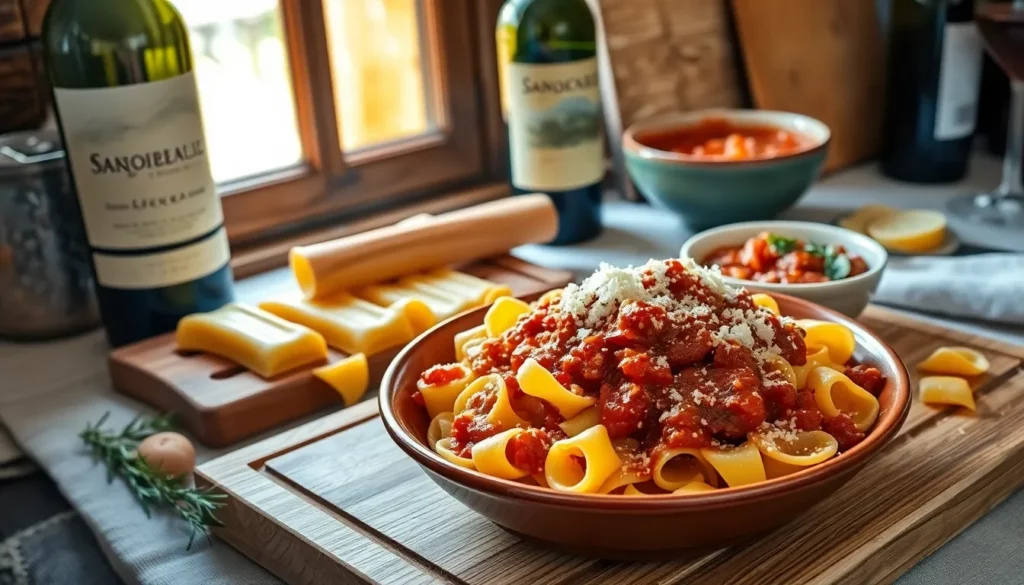
Garganelli is a traditional, handmade egg pasta originating from the Emilia-Romagna region of northern Italy. It is characterized by its small, quill-like shape with ridges, created by rolling a square of fresh pasta dough diagonally around a wooden stick (often a pencil-sized dowel) and pressing it against a ridged board. The primary ingredients are flour, eggs, and a pinch of salt, with no water added, giving it a rich, firm texture. Unlike extruded pasta, garganelli is a rolled pasta, similar in concept to maccheroni al pettine but distinct in its precise shape and regional identity.
Origin & History
Garganelli originated in the Emilia-Romagna region, particularly in the provinces of Bologna, Ferrara, and Ravenna. The name derives from the Italian word gargagna, meaning a small channel or groove, referencing the ridges created during shaping. Historical records suggest the pasta emerged in the late Middle Ages or early Renaissance, when hand-rolled pastas became popular in noble courts. Unlike many pastas with contested origins, garganelli is firmly tied to the culinary traditions of Romagna, where it was traditionally made by hand for festive occasions. A popular anecdote claims that garganelli were invented by a chef in the court of the Este family in Ferrara, who sought to create a pasta that would hold sauce better than flat noodles. While documentation is scarce, the shape’s practicality and aesthetic appeal have ensured its survival through centuries.
What’s In It
The core ingredients of garganelli are simple: 00 flour (or a mix of 00 and semolina), fresh eggs, and salt. The dough is kneaded until smooth, rested, then rolled into a thin sheet (about 1-2 mm thick). Small squares (roughly 3-4 cm) are cut and placed diagonally on a ridged wooden board. A thin stick is used to roll each square from one corner to the opposite, pressing gently to create the characteristic ridges. The resulting shape is a small tube with diagonal ridges, open at both ends. Key nuances: the dough must be firm enough to hold its shape but tender when cooked. Garganelli is often confused with penne, but penne is extruded, smooth, and made from durum wheat semolina and water, while garganelli is rolled, ridged, and egg-based. Similarly, maccheroni al pettine (comb macaroni) uses a comb-like tool but lacks the diagonal roll.
Regional Variations
While garganelli is most associated with Emilia-Romagna, variations exist across Italy, adapting the shape to local sauces and traditions. The table below highlights key differences:
| Region | Typical Sauce | Dough Composition | Shaping Tool | Occasion |
|---|---|---|---|---|
| Emilia-Romagna (Bologna) | Ragù alla bolognese (meat-based) | 00 flour, eggs, salt | Wooden stick + ridged board | Sunday lunch, holidays |
| Romagna (Ravenna) | Prosciutto and peas (prosciutto e piselli) | 00 flour, eggs, sometimes a touch of olive oil | Wooden stick + ridged board | Festive dinners |
| Lazio (Rome) | Carbonara or amatriciana (adapted) | Often uses semolina and water (less common) | Sometimes replaced by extruded penne | Modern reinterpretations |
| Campania (Naples) | Ragù napoletano or with ricotta | Semolina and eggs (hybrid) | Hand-rolled but less ridged | Family gatherings |
In Emilia-Romagna, garganelli is almost always served with a rich, slow-cooked ragù. In Romagna, a lighter sauce of prosciutto and peas is common. Outside the region, garganelli may be substituted with penne, but purists insist on the handmade version for its superior texture and sauce-holding ability.
How It’s Traditionally Eaten
Garganelli is traditionally served as a primo piatto (first course) in a multi-course Italian meal. It is never a side dish or a main course on its own. Typical pairings include hearty meat ragù, creamy sauces (e.g., with mushrooms or Gorgonzola), or simple butter and sage. In Emilia-Romagna, it is a staple of Sunday lunches and festive occasions such as Christmas and Easter. The pasta is cooked al dente and often finished in the sauce to absorb flavors. It is not typically served with seafood, as the egg-based dough can overpower delicate fish. Garganelli is also used in baked pasta dishes (pasta al forno) with béchamel and cheese.
Common Mistakes / What It’s Not
A frequent misconception, especially in American-Italian contexts, is that garganelli is the same as penne. This is incorrect. Penne is an extruded, smooth, water-based pasta made from durum wheat semolina, while garganelli is hand-rolled, ridged, and egg-based. Another mistake is treating garganelli as a generic shape for any sauce; its ridges and texture are best suited for thick, clingy sauces, not thin broths. Some cooks also overcook garganelli, causing it to lose its firm bite. Additionally, garganelli should not be confused with tortellini (stuffed pasta) or fettuccine (flat ribbons). Finally, avoid using dried, store-bought garganelli as a substitute for fresh; the dried version lacks the delicate texture and flavor of the handmade original.
Where to Try It / What to Order
For an authentic experience, visit Emilia-Romagna. In Bologna, try Trattoria da Gianni or Osteria dell’Orsa, where garganelli al ragù is a house specialty. In Ravenna, Al Rustichello serves garganelli with prosciutto and peas. For travelers, look for the Sagra della Garganella (a local festival) in the town of Brisighella, held annually in September. When ordering, ask for garganelli fatti a mano (handmade) and specify a sauce: ragù classico or prosciutto e piselli. Avoid ordering garganelli with seafood or cream-heavy sauces, which are not traditional. If you cannot travel, seek out Italian specialty shops that import fresh garganelli or make it at home using a ridged board and a wooden stick.
Related Dishes
FAQ
What is the difference between garganelli and penne?
Garganelli is a handmade egg pasta rolled diagonally with ridges, while penne is an extruded, smooth, water-based pasta made from durum wheat semolina. Garganelli has a richer flavor and better sauce-holding ability.
What sauce is traditionally served with garganelli?
In Emilia-Romagna, garganelli is traditionally paired with ragù alla bolognese (meat sauce) or prosciutto e piselli (ham and peas). Creamy mushroom or Gorgonzola sauces are also common.
Is garganelli gluten-free?
No, traditional garganelli is made from wheat flour (00 or semolina) and eggs, so it contains gluten. Gluten-free versions using alternative flours exist but are not authentic.
Can I make garganelli without a ridged board?
While a ridged board (or a gnocchi board) is traditional for creating the ridges, you can use a fork or a textured surface. However, the ridges are essential for the pasta's identity and sauce-holding capacity.
How long should I cook fresh garganelli?
Fresh garganelli cooks quickly, typically 2-4 minutes in boiling salted water. It should be al dente, firm to the bite. Dried garganelli may take 8-10 minutes.


Leave a Reply