
Short Answer
What Is Cicoria? Italian Chicory Explained
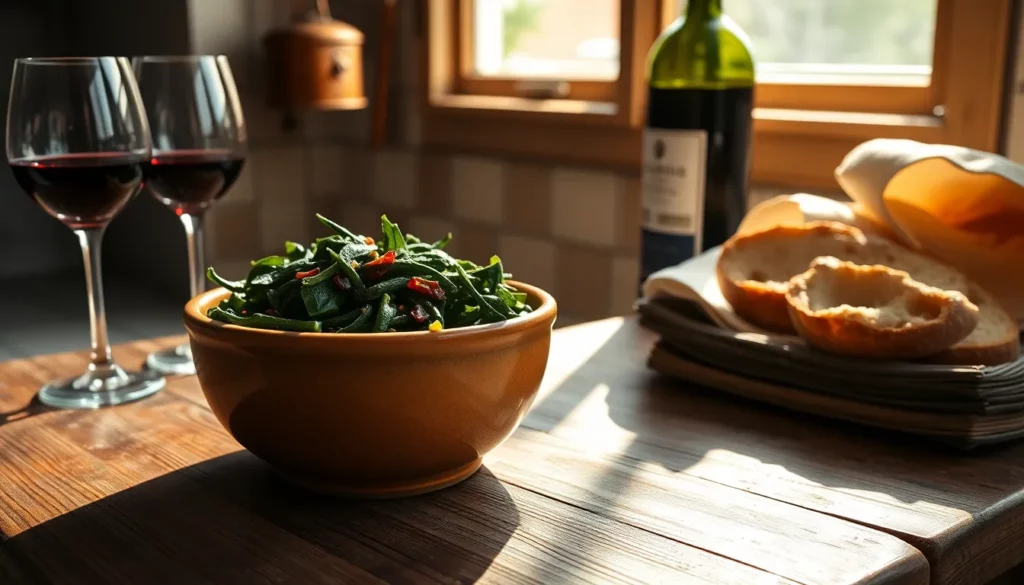
Cicoria is the Italian term for chicory, a group of leafy vegetables in the genus Cichorium, prized for their pleasantly bitter flavor. In Italian cuisine, Cicoria refers specifically to cultivated varieties such as Cicoria catalogna (also known as puntarelle) and Cicoria di campo (wild chicory). It is most famously associated with the regions of Puglia, Lazio, and Campania, where it is used as a contorno (side dish), in pasta dishes, or even raw in salads. The key ingredients are the fresh greens themselves, extra-virgin olive oil, garlic, chili pepper, and sometimes anchovies or lemon juice. This simple preparation highlights the vegetable’s natural bitterness, which is balanced by the richness of olive oil and the pungency of garlic.
Origin & History
Cicoria has been foraged and cultivated in the Mediterranean since ancient times. The Romans and Greeks valued chicory for its medicinal properties and as a food source. However, the specific culinary tradition of Cicoria ripassata (sautéed chicory) emerged in the rural areas of central and southern Italy, particularly in Lazio and Puglia, during the 19th century. It was a staple of the cucina povera (poor kitchen), where peasants made use of wild greens that grew abundantly along roadsides and fields. Historical records from the 1800s describe chicory being boiled and then sautéed with garlic and oil, a method that remains unchanged today. Unlike the myth that chicory was introduced by the Arabs, it was actually native to Europe and widely used long before. A unique anecdote: in Rome, the variety known as puntarelle is traditionally soaked in ice water to curl its shoots, then dressed with anchovy-garlic vinaigrette—a preparation that dates back to the Jewish-Roman community.
What’s In It
The core ingredients for a classic Cicoria ripassata are:
- Fresh cicoria (any variety, but typically Cicoria catalogna or wild chicory)
- Extra-virgin olive oil
- Garlic cloves (sliced or whole)
- Dried red chili pepper (peperoncino)
- Salt
- Optional: anchovy fillets, lemon juice, or balsamic vinegar
Preparation nuances: The greens are first blanched in salted boiling water to reduce bitterness, then drained and sautéed in olive oil with garlic and chili until tender. Some cooks add a splash of the cooking water to create a light sauce. This dish is distinct from radicchio, which is a red chicory often eaten raw in salads, and from endive, which is a related but different species. Cicoria is always cooked (except for puntarelle, which is served raw after a special preparation).
Regional Variations
Cicoria is prepared differently across Italy, reflecting local tastes and available varieties. Below is a comparison of three major regions:
| Region | Variety | Preparation | Typical Pairings |
|---|---|---|---|
| Puglia | Cicoria catalogna (puntarelle) | Blanched, then sautéed with garlic, chili, and olive oil; often served as a contorno with grilled meats or fish. | Orecchiette pasta, lampascioni (wild hyacinth bulbs), and rustic bread. |
| Lazio (Rome) | Puntarelle (a type of catalogna) | Raw, cut into thin strips, soaked in ice water to curl, then dressed with anchovy, garlic, vinegar, and olive oil. | As an antipasto with salumi or fried baccalà. |
| Campania | Cicoria di campo (wild chicory) | Boiled and then sautéed with garlic, chili, and sometimes anchovies; used as a filling for calzoni or as a side for pork. | Neapolitan ragù, provolone cheese, and fried pizza. |
Other regions like Tuscany use cicoria in soups, while in Calabria it is often preserved in oil.
How It’s Traditionally Eaten
Cicoria is most commonly served as a contorno (side dish) alongside a secondo (main course) such as grilled sausages, roasted chicken, or fish. In Puglia, it is also a classic pairing with orecchiette pasta, where the bitter greens are tossed with the pasta, garlic, and chili. In Rome, puntarelle is a celebrated antipasto, especially during winter. Cicoria is an everyday dish, not reserved for holidays, though it often appears on Christmas Eve tables in southern Italy as part of the Vigilia meal. It is typically eaten warm or at room temperature, and leftovers are often used in frittatas or as a topping for bruschetta.
Common Mistakes / What It’s Not
Many American-Italian restaurants confuse cicoria with escarole or radicchio. While all are chicories, escarole is milder and often used in soups, while radicchio is red and usually eaten raw. Cicoria is not a substitute for spinach; its bitterness is a feature, not a flaw. Another mistake is overcooking: cicoria should retain some texture, not be boiled to mush. Also, some recipes add too much sugar to counteract bitterness—authentic Italian cooking embraces the bitterness and balances it with fat and acid, not sugar. Finally, cicoria is not the same as dandelion greens (though they are similar in taste); true Italian cicoria is a specific cultivated chicory.
Where to Try It / What to Order
For an authentic experience, visit these locations:
- Puglia: In Bari, try Orecchiette con le cime di rapa (though that’s turnip tops, not cicoria) but specifically ask for cicoria ripassata at trattorias like Trattoria Terra Madre.
- Rome: Order Puntarelle alla Romana at Armando al Pantheon or Da Enzo al 29 during winter months (November to March).
- Campania: In Naples, look for Cicoria saltata at Trattoria da Nennella or as a side with baccalà fritto.
When ordering, specify cicoria ripassata (sautéed) or puntarelle (raw). If you’re at a market, buy fresh bunches with firm leaves and no yellowing.
Related Dishes
- Orecchiette con Cime di Rapa
- Radicchio alla Griglia
- Puntarelle alla Romana
- Frittata di Cicoria
- Insalata di Campo
FAQ
What is the difference between cicoria and radicchio?
Cicoria (chicory) is a broad term for leafy greens with a bitter taste, while radicchio is a specific red-leafed chicory variety (Cichorium intybus var. foliosum) that is usually eaten raw in salads. Cicoria is typically cooked, whereas radicchio can be grilled or eaten raw.
Can I substitute cicoria with other greens?
Yes, but with caution. Dandelion greens, escarole, or endive can mimic the bitterness, but they have different textures. For the best authenticity, seek out Italian chicory varieties at specialty markets or grow your own.
Is cicoria healthy?
Absolutely. Cicoria is low in calories and rich in vitamins A, C, and K, as well as folate and fiber. It also contains inulin, a prebiotic that supports digestive health. The bitterness comes from compounds that may aid liver function.
How do I reduce the bitterness of cicoria?
Blanching the greens in salted boiling water for 2-3 minutes before sautéing reduces bitterness. Some cooks also add a splash of lemon juice or vinegar to balance flavors. Avoid adding sugar, which is not traditional.
What wine pairs well with cicoria dishes?
A crisp white wine like Vermentino or a light red like Montepulciano d'Abruzzo complements the bitterness. For puntarelle, a dry sparkling wine like Franciacorta works well.


Leave a Reply