
Short Answer
What Is Crescentina? Italian Flatbread Explained
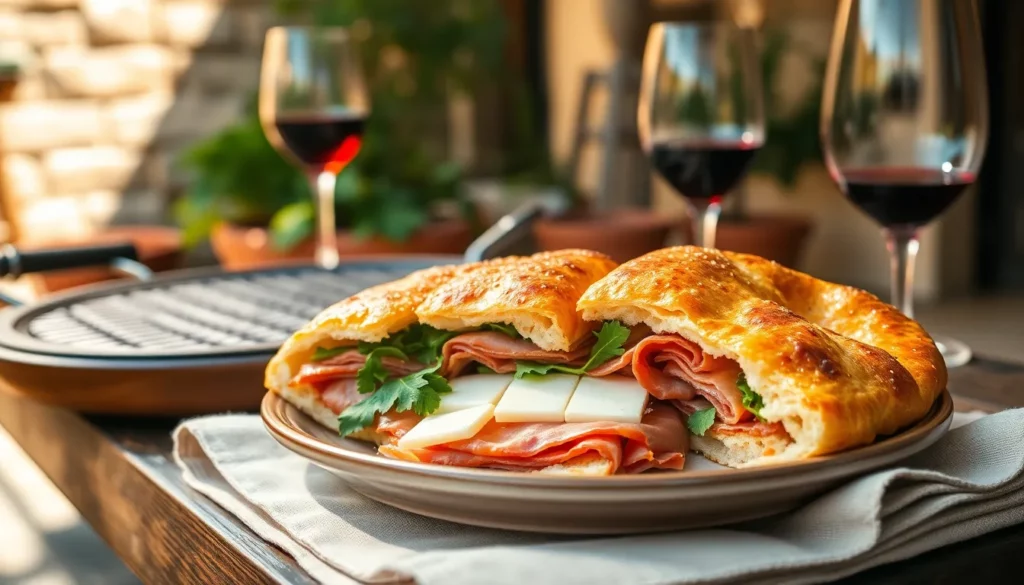
Crescentina (also spelled crescentina) is a traditional Italian flatbread originating from the Emilia-Romagna region, particularly the provinces of Modena and Bologna. It is a soft, leavened bread made from wheat flour, water, yeast, salt, and a generous amount of lard or butter, which gives it a tender, flaky texture. The dough is rolled into thin discs and cooked on a hot griddle or in a pan until golden brown with characteristic dark spots. Unlike many other Italian breads, crescentina is not baked in an oven but rather griddled, resulting in a unique chewy yet crisp exterior. It is most commonly served split open and filled with a variety of ingredients, such as prosciutto, salami, mortadella, stracchino cheese, squacquerone, or grilled vegetables, making it a versatile street food or appetizer. Crescentina is often confused with tigella, a similar bread from the same region, but the two have distinct differences in dough composition and cooking method.
Origin & History
The origins of crescentina are deeply rooted in the culinary traditions of Emilia-Romagna, a region renowned for its rich, pork-based cuisine. Historical records suggest that crescentina emerged during the Middle Ages, when flatbreads were a staple among peasants and farmers who needed portable, filling meals. The use of lard, a byproduct of pork processing, made the bread affordable and calorie-dense, ideal for laborers working in the fields. The name “crescentina” likely derives from the Italian word “crescere” (to grow), referring to the leavening process that makes the dough rise. Unlike the myth that crescentina was invented by noble families, documented evidence points to its humble beginnings in the rural areas around Modena. Over centuries, it evolved into a celebratory food, often prepared during festivals and family gatherings. Today, crescentina is protected under the Traditional Agri-Food Products (PAT) designation, ensuring its authentic preparation methods are preserved.
What’s In It
The core ingredients of crescentina are simple but specific: flour (usually type 00 or all-purpose), water, fresh yeast (or brewer’s yeast), salt, and lard (or butter in some modern variations). The dough is kneaded until smooth, then left to rise for several hours. After rising, it is rolled into thin discs about 15–20 cm in diameter and cooked on a hot, ungreased griddle (traditionally a testo or piastra) for a few minutes per side until puffed and spotted. The key to its texture is the high fat content, which creates layers when rolled thin. Crescentina is distinct from similar Italian flatbreads like piadina (which uses olive oil and is thicker) and gnocco fritto (which is deep-fried). Tigella, its close relative, is made with a softer dough and cooked in a special cast-iron mold called a tigelliera, giving it a different shape and crumb.
Regional Variations
While crescentina is most strongly associated with Modena and Bologna, variations exist across Emilia-Romagna and neighboring regions. The table below highlights key differences:
| Region | Name | Key Differences |
|---|---|---|
| Modena | Crescentina Modenese | Uses lard; thin, soft, and slightly chewy; often served with cured meats and stracchino cheese. |
| Bologna | Crescentina Bolognese | Sometimes made with butter instead of lard; slightly thicker; paired with mortadella and squacquerone. |
| Romagna (Rimini, Ravenna) | Piadina Romagnola | Made with olive oil or lard; thicker and larger; cooked on a griddle; filled with a wider variety of ingredients including greens and seafood. |
| Umbria / Tuscany | Crescentina (fritta) | Deep-fried version, similar to gnocco fritto; puffy and crispy; served as a side or with salumi. |
In addition, some modern interpretations incorporate whole wheat flour, herbs, or even cheese into the dough, though purists insist on the traditional recipe.
How It’s Traditionally Eaten
Crescentina is typically served as a street food or antipasto (appetizer) rather than a main course. It is rarely eaten plain; instead, it is split horizontally and filled with a combination of cured meats (prosciutto, salami, mortadella), soft cheeses (stracchino, squacquerone, or mozzarella), and sometimes grilled vegetables or arugula. The filled crescentina is often pressed lightly and served warm. In Emilia-Romagna, it is a common sight at festivals, markets, and family gatherings. It can also be served as a primo (first course) if accompanied by a light soup or salad, but this is less traditional. Crescentina is not typically paired with pasta or heavy sauces; instead, it is enjoyed with a glass of Lambrusco, the region’s sparkling red wine, or a crisp Pignoletto. While it can be eaten year-round, it is especially popular during autumn harvest festivals and winter holidays.
Common Mistakes / What It’s Not
One of the most frequent misconceptions, especially among American-Italian diners, is confusing crescentina with piadina. While both are griddled flatbreads from the same macro-region, piadina is thicker, uses olive oil, and originates from Romagna, not Emilia. Another mistake is treating crescentina as a dessert; it is strictly savory. Some also believe that crescentina must be deep-fried, but the authentic Modenese version is griddled. The fried version exists in Umbria and Tuscany but is a different dish. Additionally, crescentina should not be confused with tigella, which is cooked in a special mold and has a denser, bread-like texture. Finally, using butter instead of lard is a common modern substitution, but traditionalists argue it alters the authentic flavor and texture.
Where to Try It / What to Order
To experience authentic crescentina, head to the provinces of Modena or Bologna in Emilia-Romagna. In Modena, visit the historic Mercato Albinelli or street food stalls during the Fiera di San Geminiano (January). In Bologna, try Osteria dell’Orsa or Trattoria da Gianni for a traditional version. For a more curated experience, look for crescentine fritte (fried) in Umbrian towns like Perugia or Gubbio. When ordering, ask for crescentina con salumi e formaggi (with cured meats and cheese) and specify if you want it calda (warm). Avoid pre-packaged versions from supermarkets; seek out freshly made ones from local bakeries or forni. If traveling outside Italy, some Italian delis in major cities may offer crescentina, but authenticity varies.
Related Dishes
FAQ
What is the difference between crescentina and tigella?
Crescentina is a thin, soft flatbread cooked on a griddle, while tigella is thicker and cooked in a special cast-iron mold called a tigelliera. Tigella has a denser, bread-like crumb, whereas crescentina is more pliable and chewy.
Is crescentina gluten-free?
Traditional crescentina is made with wheat flour and is not gluten-free. However, some modern adaptations use gluten-free flour blends, but these are not authentic.
Can crescentina be made without lard?
Yes, butter is a common substitute, especially in Bologna. However, lard gives the bread its characteristic flavor and flaky texture. Using olive oil would result in a different product, closer to piadina.
What is the best way to reheat crescentina?
To restore its texture, reheat crescentina on a hot, dry skillet or griddle for about 30 seconds per side. Avoid microwaving, as it will become tough.
Is crescentina typically served hot or cold?
Crescentina is best served warm, straight from the griddle. It can be eaten at room temperature, but the texture and flavor are superior when warm.


Leave a Reply