
Short Answer
What Is Mandorle? Italian Ingredient Explained
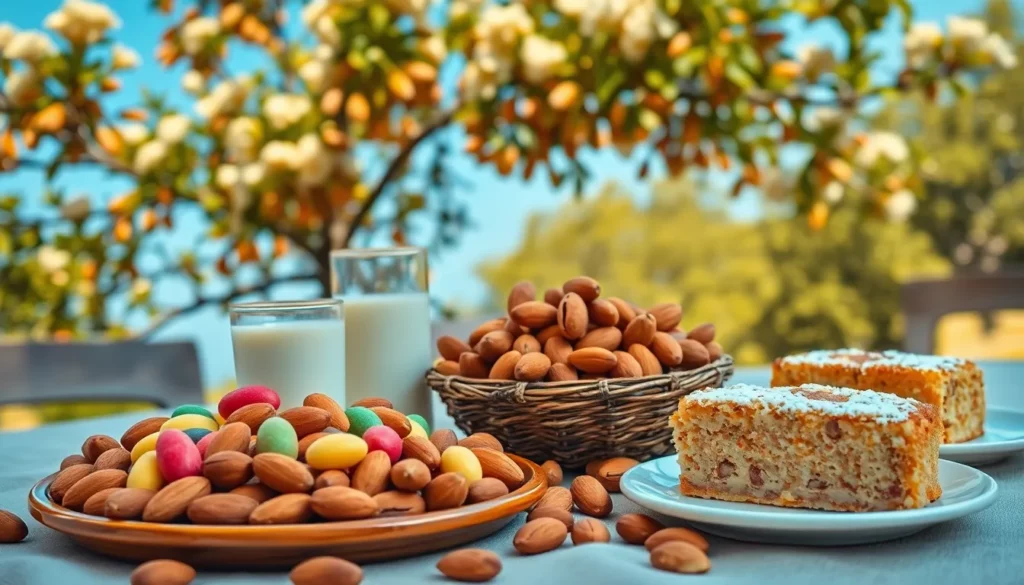
Mandorle is the Italian word for almonds, the edible seeds of Prunus dulcis. In Italian cuisine, mandorle are a fundamental ingredient, used in both sweet and savory dishes across every region. They are most famously associated with Sicily, where almond trees have flourished for millennia, but their influence extends from the Alps to the Mediterranean. Mandorle appear in forms such as whole, slivered, ground, or as milk, and are prized for their delicate flavor, nutritional value, and cultural symbolism.
Origin & History
Almonds are believed to have originated in Central Asia and the Middle East, but they were introduced to Italy by the ancient Greeks, who called them amygdalon. The Romans later spread almond cultivation throughout the Mediterranean, with Sicily emerging as the primary growing region due to its ideal climate. By the Middle Ages, almonds were a staple in Italian monasteries and noble kitchens, used to create marzipan (mazapane) and almond milk, which was a common substitute for dairy during Lent. The bitter almond (mandorla amara) was also valued for its intense flavor, though its use required careful handling due to cyanide content. Today, Italy remains one of the world’s top almond producers, with Sicily, Puglia, and Sardinia leading production.
What’s In It
Mandorle are composed of a hard shell (endocarp) surrounding a kernel. The kernel is the edible part, covered by a thin brown skin. There are two main types: sweet almonds (mandorle dolci) and bitter almonds (mandorle amare). Sweet almonds are the common culinary variety, while bitter almonds are used sparingly for flavoring in liqueurs and pastries. Key preparations include:
- Mandorle pelate: blanched almonds with skin removed.
- Farina di mandorle: finely ground almonds used in baking.
- Latte di mandorle: almond milk, a traditional beverage.
- Pasta di mandorle: almond paste, the base for marzipan and many desserts.
Unlike similar nuts such as walnuts or hazelnuts, mandorle have a mild, slightly sweet flavor that pairs well with citrus, chocolate, and spices. They are distinct from the American almond, which is the same species but often grown in California; Italian almonds are typically smaller and more intensely flavored.
Regional Variations
Mandorle are used differently across Italy, reflecting local traditions and available ingredients. The table below highlights three major regional approaches:
| Region | Typical Use | Notable Dish |
|---|---|---|
| Sicily | Desserts, pastries, and confections | Frutta martorana (marzipan fruits), cannoli with almond cream, cassata |
| Puglia | Almond paste and cookies | Pasta di mandorle (almond paste), pasticciotti with almond filling |
| Lombardy | Crunchy cookies and liqueurs | Amaretti di Saronno (crisp almond macaroons), amaretto liqueur |
In Sicily, almonds are often combined with pistachios and citrus zest. In Puglia, the local mandorla di Toritto variety is prized for its sweetness. In Lombardy, bitter almonds are used to give amaretti their characteristic flavor. Other regions, like Liguria, use almonds in pesto (pesto alla trapanese) and in the famous crostata di mandorle.
How It’s Traditionally Eaten
Mandorle are consumed in multiple courses and occasions. As a snack, they are often roasted and salted, served with aperitifs. In desserts, they appear as a primary ingredient in cakes, cookies, and ice cream. Almond milk is a traditional drink, especially in southern Italy. In savory cooking, ground almonds thicken sauces and add richness to dishes like pesto alla trapanese (a Sicilian pesto with tomatoes and almonds) or agnello con le mandorle (lamb with almonds). During holidays, marzipan fruits are a classic Christmas treat, and torrone (nougat) is a festive confection. Mandorle are also used in granita and gelato.
Common Mistakes / What It’s Not
A frequent misconception is that all almonds are interchangeable. Italian mandorle, especially the bitter variety, have a distinct flavor that cannot be replicated by California almonds alone. Another mistake is using almond extract as a substitute for real almonds; while convenient, it lacks the complexity of freshly ground nuts. Additionally, some American-Italian recipes call for almond paste that is overly sweetened, whereas traditional Italian pasta di mandorle is less sweet and more nutty. Mandorle are not the same as peanuts or other tree nuts; they are botanically a drupe, not a true nut. Finally, bitter almonds should never be eaten raw in large quantities due to their amygdalin content; they are always processed or used in small amounts.
Where to Try It / What to Order
To experience authentic mandorle, visit Sicily, especially the towns of Agrigento, Noto, and Palermo, where almond trees bloom in February. Seek out pasticcerie (pastry shops) for fresh frutta martorana and cannoli with almond cream. In Puglia, try pasta di mandorle in Lecce or Bari. In Lombardy, the town of Saronno is famous for its amaretti. For travelers, ordering granita di mandorle in a Sicilian café or amaretti morbidi (soft amaretti) in Piedmont is a must. Many Italian food festivals, such as the Sagra del Mandorlo in Agrigento, celebrate the almond harvest.
Related Dishes
FAQ
What are mandorle?
Mandorle is the Italian word for almonds, the edible seeds of the Prunus dulcis tree. They are a key ingredient in Italian cuisine, used in both sweet and savory dishes.
Are mandorle the same as almonds?
Yes, mandorle is simply the Italian term for almonds. However, Italian almonds, especially those from Sicily, are often smaller and more flavorful than common commercial varieties.
How are mandorle used in Italian cooking?
Mandorle are used whole, sliced, ground, or as milk. They appear in desserts like marzipan, amaretti, and cannoli, as well as in savory dishes such as pesto alla trapanese and almond-crusted meats.
What is the difference between sweet and bitter almonds?
Sweet almonds are safe to eat raw and are the common culinary variety. Bitter almonds contain amygdalin, which can release cyanide; they are used only in small amounts for flavoring in liqueurs and pastries after processing.
Where can I buy authentic Italian mandorle?
Look for imported Italian almonds from Sicily or Puglia in specialty food stores or online. For the best experience, visit local pasticcerie in Italy during almond season.



Leave a Reply