
Short Answer
What Is Puttanesca? Italian Pasta Sauce Explained
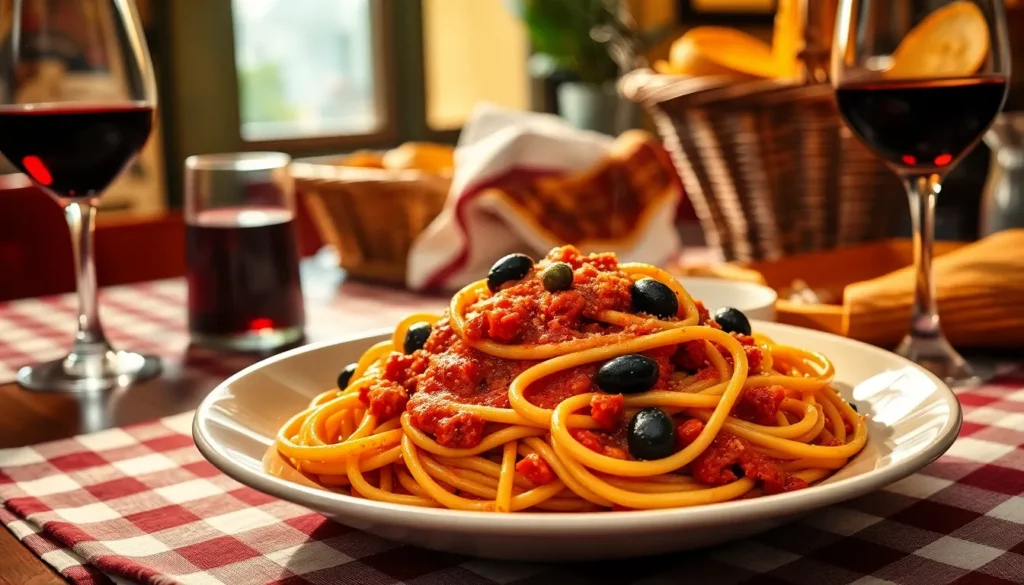
Puttanesca is a pungent, quick-cooking pasta sauce originating from Naples, Italy. Its core ingredients are canned tomatoes (or fresh when in season), black olives, capers, anchovies, garlic, and chili flakes, all simmered in olive oil. The sauce is traditionally tossed with spaghetti or other long pasta. The name derives from the Italian word puttana (prostitute), giving the dish a provocative backstory, but the recipe itself is a celebration of pantry staples transformed into a deeply flavorful, umami-rich condiment. Unlike many Italian sauces that require hours of simmering, puttanesca comes together in the time it takes to boil pasta, making it a beloved weeknight meal across Italy and beyond.
Origin & History
The exact origins of puttanesca are murky, but most food historians agree it emerged in Naples in the mid-20th century. The first documented recipe appears in the 1961 cookbook La Cucina Napoletana by Jeanne Caròla Francesconi, though oral tradition suggests it was already popular in Neapolitan trattorias. The name has inspired several colorful myths: one claims it was invented by prostitutes as a quick, affordable meal between clients; another says the aroma was so enticing it lured customers. A more plausible theory ties the name to the Italian phrase puttanata (something worthless or messy), referring to the haphazard combination of leftovers. Regardless, the dish gained national fame in the 1960s and 1970s, becoming a staple of Roman and Sicilian kitchens as well. Its simplicity and bold flavors reflect the resourcefulness of Southern Italian cooking, where humble ingredients are transformed into something extraordinary.
What’s In It
The authentic puttanesca recipe relies on a short list of high-quality ingredients:
- Tomatoes: San Marzano canned tomatoes or fresh plum tomatoes, crushed by hand.
- Olives: Gaeta or Kalamata olives, pitted and halved. Black olives are traditional, but green can be used.
- Capers: Salt-packed capers, rinsed to remove excess salt.
- Anchovies: Oil-packed anchovy fillets, which melt into the sauce, providing depth without a fishy taste.
- Garlic: Sliced or minced, sautéed gently in olive oil.
- Chili flakes: Dried red pepper flakes for heat.
- Olive oil: Extra virgin, for sautéing.
- Pasta: Spaghetti, linguine, or vermicelli.
Preparation is straightforward: heat olive oil, cook garlic and chili, add anchovies until they dissolve, then add olives, capers, and tomatoes. Simmer briefly, then toss with al dente pasta. No cheese is traditionally added, as the anchovies and olives provide enough saltiness. The sauce is intentionally chunky and bold, not smooth or creamy. It differs from similar dishes like alla marinara (which lacks olives, capers, and anchovies) or alla norma (which features eggplant and ricotta salata).
Regional Variations
While puttanesca is Neapolitan at heart, it has adapted across Italy. The table below highlights key differences:
| Region | Key Characteristics | Notable Differences |
|---|---|---|
| Naples (Campania) | Original version; uses Gaeta olives, salt-packed capers, and a generous amount of garlic. | Often includes fresh basil; sometimes a pinch of oregano. Sauce is slightly thinner. |
| Rome (Lazio) | Popularized in Roman trattorias; often adds a splash of white wine and uses more chili. | May include a touch of tomato paste for depth; sometimes served with bucatini. |
| Sicily | Coastal variations incorporate local ingredients like sardines or tuna in place of anchovies. | Some versions add raisins or pine nuts for a sweet-savory contrast (influenced by pasta con le sarde). |
| Puglia | Uses local olive varieties (e.g., Cellina) and sometimes adds cherry tomatoes. | Often includes a sprinkle of breadcrumbs instead of cheese. |
Despite these variations, the soul of puttanesca remains constant: a quick, assertive sauce that celebrates the Mediterranean pantry.
How It’s Traditionally Eaten
In Italy, puttanesca is served as a primo (first course), typically at lunch or dinner. It is almost always paired with spaghetti, though some regions use linguine or vermicelli. The pasta is cooked al dente and tossed with the sauce, often finished with a drizzle of raw olive oil. A simple green salad and crusty bread are common accompaniments. Wine pairings lean toward medium-bodied reds like Chianti or a crisp white like Vermentino. Puttanesca is considered an everyday dish, not reserved for holidays, though its robust flavor makes it a favorite for casual gatherings. In Naples, it is sometimes served as a late-night snack after a night out, reinforcing its name’s lore.
Common Mistakes / What It’s Not
Many American-Italian adaptations stray far from the original. Here are frequent errors:
- Overcomplicating the sauce: Adding onions, bell peppers, mushrooms, or cream dilutes the pure, punchy flavor. Authentic puttanesca relies on just a few ingredients.
- Skipping anchovies: Some recipes omit anchovies due to aversion, but they are essential for umami. They dissolve completely, leaving no fishy taste.
- Using too much tomato: The sauce should be chunky and not overly saucy; it coats the pasta rather than drowning it.
- Adding cheese: Parmesan or pecorino is not traditional. The saltiness from olives, capers, and anchovies is sufficient.
- Overcooking: The sauce simmers for only 10–15 minutes; longer cooking can make olives and capers bitter.
Puttanesca is not a heavy, meaty ragù, nor is it a delicate, subtle sauce. It is bold, briny, and spicy—a direct expression of Southern Italian cucina povera (poor kitchen) philosophy.
Where to Try It / What to Order
For an authentic experience, head to Naples. Trattorias like Trattoria da Nennella or Osteria della Mattonella serve classic puttanesca. In Rome, try Da Enzo al 29 or Roscioli. In Sicily, seek out versions with local seafood. When ordering, ask for spaghetti alla puttanesca and specify senza formaggio (without cheese) if you want the traditional preparation. Travelers should also look for puttanesca di mare (with mixed seafood) in coastal towns. For home cooks, the key is to use the best quality olives and capers—preferably Italian imports—and to resist the urge to add extra ingredients.
Related Dishes
FAQ
Why is it called Puttanesca?
The name derives from the Italian word 'puttana' (prostitute). Several legends explain the origin: one claims it was a quick meal prepared by prostitutes, another that its enticing aroma lured customers. The most likely explanation is that it was a 'puttanata' (a mess or hodgepodge) of leftover ingredients.
What is the difference between Puttanesca and Marinara?
Marinara is a simpler tomato sauce with garlic, basil, and oregano, but no olives, capers, or anchovies. Puttanesca is much bolder, saltier, and more complex due to those additions.
Can I make Puttanesca without anchovies?
Technically yes, but it will lack the essential umami depth. Anchovies dissolve into the sauce and do not taste fishy. For a vegetarian version, some cooks add a splash of soy sauce or miso, but purists insist on anchovies.
Is Puttanesca spicy?
It has a moderate heat from chili flakes, but the level can be adjusted. Traditional versions are pleasantly piquant, not overwhelmingly hot.
What pasta shape is best for Puttanesca?
Spaghetti is the classic choice, but linguine, vermicelli, or even bucatini work well. The sauce clings nicely to long, thin pasta.


Leave a Reply