
Short Answer
What Is Rotini? Italian Pasta Explained
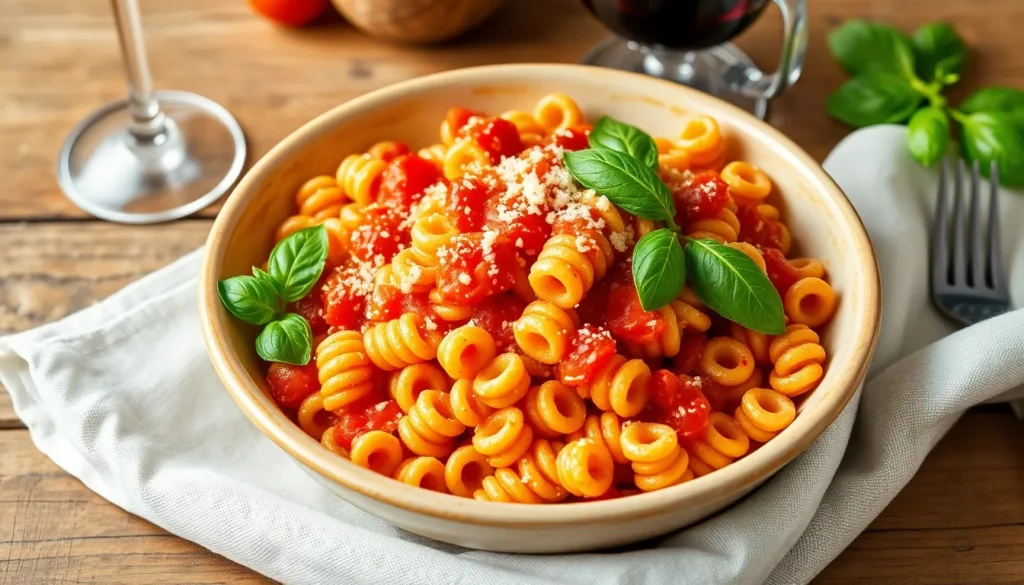
Rotini is a short, spiral-shaped pasta made from durum wheat semolina and water. Its name derives from the Italian word rotino, meaning “little wheel” or “spiral,” reflecting its distinctive corkscrew form. Originating in Southern Italy, particularly in the Campania region, rotini is a dried pasta known for its ability to trap chunky sauces in its grooves. It is often confused with fusilli, but rotini has tighter, more compact spirals. This pasta is a staple in both traditional Italian and Italian-American cuisine, prized for its texture and versatility.
Origin & History
The exact origins of rotini are not as ancient as some pasta shapes; it likely emerged in the 19th or early 20th century in Southern Italy, possibly in the pasta-making towns around Naples, such as Gragnano. Gragnano has been a center of dried pasta production since the 16th century, benefiting from the ideal climate for slow drying. Rotini was likely created as a variation of fusilli, designed to hold sauces more effectively. Unlike some pasta shapes with documented myths (e.g., the legend of tortellini), rotini has a more practical history: it was developed by pasta artisans experimenting with extrusion dies. The shape became popular in the United States through Italian immigrants, who adapted it to local tastes. Today, rotini is produced worldwide but remains a symbol of Southern Italian pasta craftsmanship.
What’s In It
Traditional rotini contains only two ingredients: durum wheat semolina and water. No eggs are used, making it a vegan-friendly pasta. The dough is mixed, kneaded, and extruded through bronze dies, which create a rough, porous surface that helps sauces cling. After extrusion, the pasta is cut into short lengths and dried slowly at low temperatures to preserve flavor and texture. This process distinguishes rotini from fresh pasta, which contains eggs and is cooked immediately. Rotini is often confused with fusilli, but the key difference is the tightness of the spiral: rotini has a tighter, more uniform twist, while fusilli is longer and looser. Additionally, rotini is not the same as rotelle (wagon wheel pasta) or gemelli (two strands twisted together).
Regional Variations
While rotini is a standardized commercial shape, its use varies across Italian regions and beyond. Below is a comparison of how rotini is prepared in three major culinary contexts:
| Region / Context | Typical Sauce | Additional Ingredients | Notes |
|---|---|---|---|
| Campania (Southern Italy) | Simple tomato sauce (pomodoro) or ragù napoletano | Fresh basil, garlic, olive oil, pecorino or Parmesan | Rotini is often served as a primo with a light, chunky sauce that fills the spirals. |
| Sicily | Pesto alla trapanese (almond, tomato, basil, garlic) | Grated ricotta salata or pecorino | The pesto’s texture clings well to rotini; sometimes served with grilled eggplant. |
| United States (Italian-American) | Marinara, Alfredo, or baked with cheese and meat | Ground beef, mozzarella, ricotta, vegetables | Rotini is popular in pasta salads and casseroles; often over-sauced compared to Italian tradition. |
In Lazio, rotini might be used in a simple aglio e olio (garlic and oil) preparation, though it is less common. The shape’s versatility makes it a favorite for cold pasta salads, especially in summer.
How It’s Traditionally Eaten
In Italy, rotini is served as a primo piatto (first course), typically at lunch or dinner. It is not used as a secondo (main dish) or contorno (side dish). The pasta is cooked al dente and tossed with a sauce that complements its shape—chunky vegetable sauces, light ragù, or pesto work best. Grated cheese, such as pecorino or Parmesan, is often added at the table. Rotini is an everyday pasta, not reserved for holidays, though it may appear in festive pasta al forno (baked pasta) dishes. In Italian-American homes, rotini is also used in cold pasta salads for picnics and barbecues, a practice less common in Italy.
Common Mistakes / What It’s Not
A frequent misconception is that rotini and fusilli are the same. While both are spiral-shaped, fusilli has longer, looser twists, whereas rotini is shorter and more tightly coiled. Another mistake is treating rotini as a fresh pasta; it is always dried. In Italian-American cuisine, rotini is often overwhelmed with heavy cream sauces or baked with excessive cheese, which masks the pasta’s texture. Authentic Italian preparations keep the sauce light and allow the pasta to shine. Rotini is also not typically used in soups, as its shape is better suited for tossed dishes. Finally, some believe rotini originated in Northern Italy, but its roots are firmly in the South.
Where to Try It / What to Order
For an authentic experience, visit a trattoria in Campania or Sicily. In Naples, order rotini al pomodoro with fresh basil. In Sicily, ask for rotini alla norma (with eggplant, tomato, and ricotta salata) or rotini con pesto trapanese. In Rome, some restaurants offer rotini with cacio e pepe (cheese and pepper), though this is a modern twist. In the United States, seek out Italian restaurants that emphasize regional authenticity, such as those in New York’s Little Italy or San Francisco’s North Beach. When ordering, specify al dente and avoid pre-grated cheese. For home cooking, use high-quality imported Italian rotini and pair with a simple sauce made from San Marzano tomatoes, garlic, and olive oil.
Related Dishes
FAQ
Is rotini the same as fusilli?
No, rotini has tighter, more compact spirals, while fusilli is longer and looser. They are often confused but are distinct shapes with different textures.
What sauce goes best with rotini?
Rotini pairs well with chunky sauces that can cling to its spirals, such as tomato-based ragù, pesto, or vegetable sauces. Light cream sauces also work, but avoid very thin sauces.
Is rotini a fresh or dried pasta?
Rotini is a dried pasta made from durum wheat semolina and water. It does not contain eggs and is not fresh pasta.
Can I use rotini in pasta salad?
Yes, rotini is excellent in cold pasta salads because its shape holds dressing and small ingredients well. It is a popular choice for picnics and buffets.
Where does rotini originate?
Rotini originated in Southern Italy, likely in the Campania region, particularly in the pasta-making town of Gragnano.



Leave a Reply