
Short Answer
What Is Lauro? Italian Pasta Dish Explained
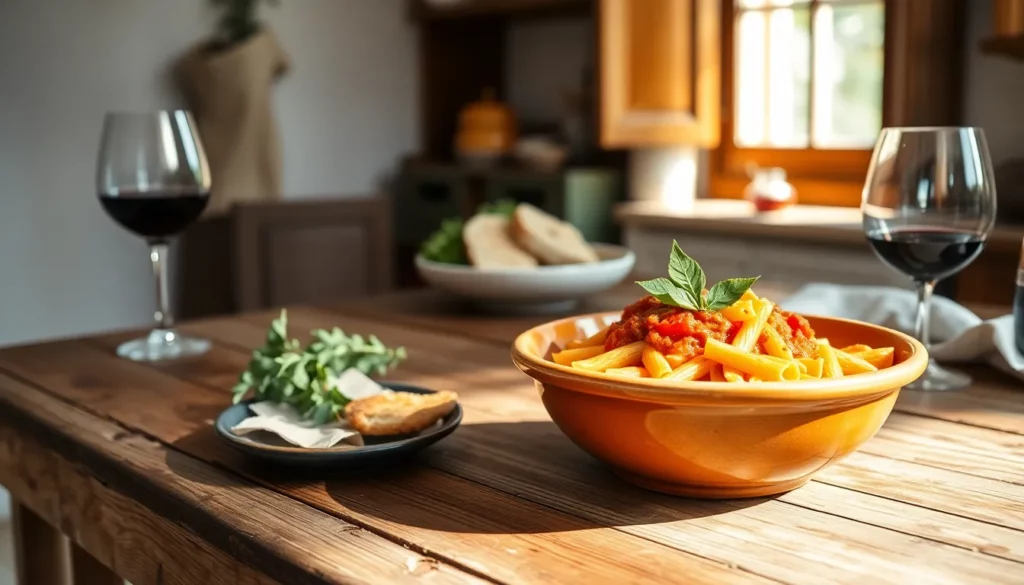
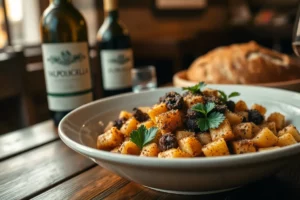
Lauro is a traditional Italian pasta dish originating from the town of Lauro in the Campania region, near Avellino. The name derives from the Italian word for bay leaf (lauro), which is the defining aromatic ingredient. The dish typically consists of short pasta, such as mezze maniche or penne, tossed in a light sauce made from fresh tomatoes, extra virgin olive oil, garlic, and whole bay leaves that infuse the oil before being removed. It is a prime example of cucina povera (peasant cooking), relying on a few high-quality ingredients to create a deeply flavorful and satisfying meal.
Origin & History
The dish takes its name from the town of Lauro, a hilltop comune in the province of Avellino, Campania. Historical records from the 18th century mention the use of bay leaves in local cooking, but the specific combination with pasta likely emerged in the late 19th or early 20th century, when dried pasta became widely accessible to rural families. Unlike many Italian dishes that have elaborate myths, Lauro’s origin is straightforward: it was a practical way to flavor a simple tomato sauce using the abundant bay laurel trees (Laurus nobilis) that grow wild in the surrounding hills. Local folklore tells of shepherds who would carry dried bay leaves in their pockets to add to their midday pasta cooked over an open fire. The dish remained largely unknown outside the region until the 1990s, when a few trattorias in Avellino began promoting it as part of a revival of forgotten Campanian recipes.
What’s In It
The core ingredients of Lauro are few but precise:
- Pasta: Short, sturdy shapes like mezze maniche, penne, or cavatelli are preferred to hold the sauce.
- Bay leaves: Fresh or dried, typically 4–6 leaves per serving, used whole and removed before serving.
- Tomatoes: San Marzano or other sweet, low-acid plum tomatoes, either fresh in season or high-quality canned.
- Extra virgin olive oil: A fruity, peppery oil from Campania, such as from the Colline Salernitane.
- Garlic: 1–2 cloves, lightly crushed and sautéed until golden, then discarded (or left in for a milder flavor).
- Salt and pepper: To taste; sometimes a pinch of peperoncino (red chili flakes) for heat.
- Pecorino or Parmigiano-Reggiano: Grated cheese is optional but common in modern versions.
Preparation involves gently heating the olive oil with the bay leaves and garlic over low heat to extract the aromatic compounds without burning. The tomatoes are then added and cooked down for 10–15 minutes. The pasta is cooked al dente, then tossed with the sauce and a splash of pasta water. The bay leaves are removed before serving. This dish is distinct from pasta al pomodoro because of the prominent bay leaf infusion, which gives a subtle herbal, almost floral note that balances the acidity of the tomatoes.
Regional Variations
While Lauro is specific to Campania, similar bay leaf–infused pasta dishes exist in other regions, each with local twists:
| Region | Variation | Key Differences |
|---|---|---|
| Campania (Lauro) | Classic Lauro | Uses only bay leaves, garlic, tomatoes, and olive oil; no meat or seafood; pasta is short and sturdy. |
| Lazio | Pasta all’alloro | Often includes guanciale or pancetta; bay leaves are fried in the rendered fat; uses long pasta like spaghetti. |
| Sicily | Pasta con foglie di alloro | Adds anchovies, breadcrumbs, and sometimes raisins; bay leaves are ground into the sauce; served with bucatini. |
| Liguria | Pasta al lauro e pesto | Combines bay leaf infusion with a touch of basil pesto; uses trofie or trenette; often includes potatoes and green beans. |
These variations highlight how a single aromatic leaf can be adapted to different local pantries while maintaining the core principle of simplicity.
How It’s Traditionally Eaten
Lauro is served as a primo piatto (first course) in a traditional Italian meal, followed by a secondo of grilled meat or fish and a contorno of seasonal vegetables. It is an everyday dish, not reserved for holidays, though it may appear on Sunday tables when fresh tomatoes are at their peak. The ideal pairing is a light, unoaked red wine such as a Campania Aglianico or a Falanghina white. In the town of Lauro, it is often served with a side of crostini rubbed with garlic and drizzled with olive oil. The dish is meant to be eaten immediately after tossing, as the sauce is thin and the pasta should be well coated but not swimming in liquid.
Common Mistakes / What It’s Not
Many American-Italian adaptations misinterpret Lauro. It is not a heavy, creamy sauce; the bay leaf infusion is subtle, not overpowering. It is not a dish that benefits from excessive cheese—if used, it should be a light dusting of Pecorino, not a thick blanket. It is not a substitute for pasta al pomodoro; the bay leaf is the star, not an afterthought. A frequent error is using dried bay leaves that are old and flavorless; fresh bay leaves or high-quality dried ones from the Mediterranean are essential. Another mistake is leaving the bay leaves in the final dish—they are tough and unpleasant to eat, so they must be removed. Finally, Lauro should never be served with meatballs or sausage; it is a vegetarian dish by tradition, though some modern versions add a little guanciale.
Where to Try It / What to Order
To experience authentic Lauro, visit the town of Lauro itself or nearby Avellino. Trattoria da Nonna Rosa in Lauro is renowned for its faithful rendition, using tomatoes from the family garden. In Naples, Osteria dell’Alloro in the Vomero district offers a refined version. For travelers, the annual Sagra del Lauro (Bay Leaf Festival) in early September in the town of Lauro features cooking demonstrations and tastings. When ordering, ask for “Lauro tradizionale” to ensure you get the classic recipe. Avoid any menu that lists it as “Lauro with cream” or “Lauro with shrimp”—those are inauthentic inventions.
Related Dishes
FAQ
What is Lauro pasta?
Lauro is a traditional pasta dish from Campania, Italy, flavored with bay leaves (lauro), tomatoes, garlic, and olive oil. It is a simple, rustic first course.
Where does Lauro originate?
Lauro originates from the town of Lauro in the province of Avellino, Campania, and is named after both the town and the bay leaf.
What does Lauro taste like?
Lauro has a delicate, herbal flavor from the bay leaves, balanced by the sweetness of tomatoes and the fruitiness of olive oil. It is light, aromatic, and not heavy.
Is Lauro vegetarian?
Yes, traditional Lauro is vegetarian. It contains no meat or fish, though some modern versions may add guanciale.
Can I use dried bay leaves for Lauro?
Yes, but they should be high-quality and not too old. Fresh bay leaves are preferred for a more pronounced aroma.

Leave a Reply