

Short Answer
What Is Limone? Italian Pasta Dish Explained
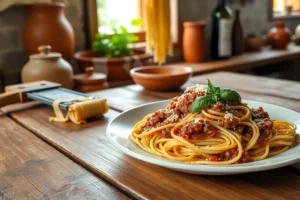
Limone, often referred to as Spaghetti al Limone or Pasta al Limone, is a simple yet elegant Italian pasta dish that highlights the bright, zesty flavor of fresh lemons. Originating from the Amalfi Coast and Campania region, this dish typically combines spaghetti with a sauce made from lemon juice, lemon zest, butter, Parmesan cheese, and sometimes cream. The result is a creamy, tangy, and aromatic pasta that is both refreshing and satisfying. Unlike heavy cream-based sauces, Spaghetti al Limone relies on the emulsion of butter, cheese, and pasta water to create a silky texture that coats each strand of pasta. It is a prime example of Italian cucina povera (poor kitchen) philosophy, where a few high-quality ingredients are transformed into a memorable meal.
Origin & History
The exact origins of Spaghetti al Limone are debated, but it is widely associated with the Amalfi Coast, particularly the town of Sorrento and the island of Capri. The Amalfi region has been renowned for its lemons since the Middle Ages, with the sfusato Amalfitano variety being prized for its intense aroma and low acidity. The dish likely emerged in the mid-20th century as a way to showcase these exceptional lemons. Some food historians trace its roots to the 1960s, when tourism boomed along the coast and local chefs began creating simple, fresh dishes that appealed to international visitors. Unlike many Italian pasta dishes that have ancient origins, Spaghetti al Limone is a relatively modern invention, but it has quickly become a beloved classic. A popular anecdote claims that the dish was first created by a chef in Positano who, short on ingredients, used lemons from his garden to dress the pasta. While unverified, this story reflects the spontaneous creativity of Italian home cooking.
What’s In It
The core ingredients of authentic Spaghetti al Limone are few but crucial:

- Spaghetti – The preferred pasta shape, though linguine or fettuccine can be used.
- Fresh lemons – Both juice and zest from unwaxed, preferably Amalfi lemons.
- Unsalted butter – Provides richness and helps emulsify the sauce.
- Parmigiano-Reggiano or Pecorino Romano – Grated cheese adds saltiness and depth.
- Pasta cooking water – The starchy water is essential for creating a creamy emulsion.
- Salt and black pepper – For seasoning.
- Optional: Heavy cream (though purists avoid it), garlic, fresh basil, or chili flakes.
Preparation is straightforward: cook spaghetti al dente, then toss with melted butter, lemon zest, lemon juice, and grated cheese, adding pasta water gradually until a smooth sauce forms. The key is to work quickly off the heat to prevent the cheese from clumping. This dish is often confused with Linguine al Limone (which may include cream) or Pasta al Limone e Basilico (which adds basil). The true Spaghetti al Limone is defined by its simplicity and reliance on the lemon-butter-cheese emulsion.
Regional Variations
While the core concept remains the same, different regions of Italy have put their own spin on Spaghetti al Limone:
| Region | Variation | Key Differences |
|---|---|---|
| Amalfi Coast (Campania) | Classic Spaghetti al Limone | Uses only butter, lemon, Parmesan, and pasta water. No cream. Often garnished with lemon zest and a drizzle of extra virgin olive oil. |
| Rome (Lazio) | Spaghetti al Limone con Panna | Adds a splash of heavy cream for a richer, smoother sauce. Sometimes includes garlic and parsley. |
| Sicily | Pasta al Limone con Pistacchi | Incorporates crushed pistachios for texture and color, and may use ricotta instead of Parmesan. |
| Liguria | Trofie al Limone | Uses trofie pasta and includes basil and pine nuts, reminiscent of pesto but lemon-forward. |
These variations reflect local ingredients and preferences, but the Amalfi version remains the most iconic.
How It’s Traditionally Eaten
Spaghetti al Limone is typically served as a primo piatto (first course) in a traditional Italian meal, followed by a secondo (meat or fish) and contorno (side dish). It is considered a light, summery dish, perfect for lunch or a casual dinner. On the Amalfi Coast, it is often enjoyed al fresco with a view of the sea, paired with a crisp white wine like Greco di Tufo or Falanghina. While not a holiday-specific dish, it is popular during lemon harvest season (spring and early summer) and at seaside restaurants. It is rarely served as a main course, but in home settings, it can be a satisfying one-dish meal. The dish is best eaten immediately after preparation, as the sauce can separate upon cooling.
Common Mistakes / What It’s Not
Many American-Italian adaptations of Spaghetti al Limone stray from the authentic version. Common mistakes include:
- Using bottled lemon juice – Fresh lemons are non-negotiable for the bright, aromatic flavor.
- Overloading with cream – Authentic versions rely on emulsion, not heavy cream, for creaminess.
- Adding garlic or onions – These overpower the delicate lemon flavor.
- Using pre-grated cheese – Freshly grated Parmesan or Pecorino is essential for proper melting.
- Rinsing the pasta – This removes the starch needed for the sauce to cling.
Spaghetti al Limone is not a lemon chicken or seafood dish; it is purely pasta with a lemon-based sauce. It is also not a dessert, despite the sweet connotations of lemon. Some confuse it with Limoncello, a lemon liqueur, but the two are entirely different.
Where to Try It / What to Order
For an authentic experience, head to the Amalfi Coast. Restaurants in Positano, Amalfi, and Sorrento often feature Spaghetti al Limone on their menus. Look for places that source local sfusato Amalfitano lemons. Notable spots include Ristorante La Sponda in Positano and Da Vincenzo in Amalfi. In Rome, try Armando al Pantheon for a Roman-style version with cream. When ordering, ask if the dish is made senza panna (without cream) if you prefer the classic version. The dish is also widely available in Italian restaurants worldwide, but always check that they use fresh lemons and quality ingredients.
Related Dishes
FAQ
What is Limone in Italian cuisine?
Limone refers to a lemon-based pasta dish, most commonly Spaghetti al Limone, a simple sauce of lemon juice, zest, butter, and Parmesan cheese.
Is Spaghetti al Limone a traditional Italian dish?
Yes, it is a modern classic from the Amalfi Coast, dating to the mid-20th century, and is now considered a staple of Campanian cuisine.
What is the difference between Spaghetti al Limone and Pasta al Limone?
The terms are often used interchangeably, but 'Pasta al Limone' can refer to any pasta shape with lemon sauce, while 'Spaghetti al Limone' specifically uses spaghetti.
Can I make Spaghetti al Limone without cream?
Absolutely. The authentic version uses only butter, cheese, and pasta water to create a creamy emulsion. Cream is a non-traditional addition.
What type of lemon is best for Spaghetti al Limone?
The sfusato Amalfitano lemon from the Amalfi Coast is ideal, but any unwaxed, organic lemon with fragrant zest will work.




Leave a Reply