
Short Answer
What Is Pepe Verde? Italian Sauce Explained
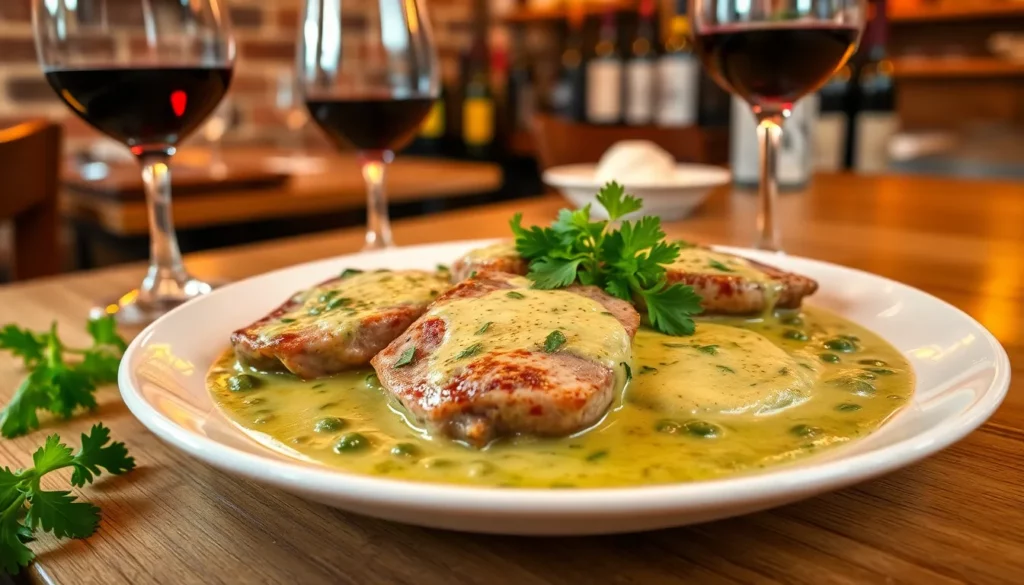
Pepe Verde is a classic Italian sauce made from green peppercorns, cream, butter, and often a splash of brandy or white wine. Originating in the northern regions of Italy, particularly Lombardy and Piedmont, this sauce is prized for its mild, fruity heat and velvety texture. The key ingredient—green peppercorns—are unripe berries of the Piper nigrum vine, harvested before they mature and preserved in brine or freeze-dried. Unlike black pepper, green peppercorns offer a fresher, less pungent flavor with subtle floral notes. Pepe Verde is traditionally paired with grilled or pan-seared meats, such as veal scaloppine, beef fillet, or chicken breast, and is a staple in trattorias across northern Italy.
Origin & History
The history of Pepe Verde is intertwined with the global spice trade and the evolution of Italian cuisine in the 20th century. While black pepper has been used in Italy since Roman times, green peppercorns were a later introduction, arriving via trade routes from Southeast Asia. The sauce itself emerged in the mid-1900s, likely in the affluent kitchens of Lombardy and Piedmont, where French culinary influences were strong. The French sauce au poivre vert inspired Italian chefs to adapt the recipe using local ingredients like mascarpone or fresh cream. By the 1960s, Pepe Verde had become a signature dish in Milanese restaurants, often served with ossobuco or costoletta alla milanese. Despite its relatively recent origin, the sauce is now considered a classic of northern Italian gastronomy, celebrated for its elegant balance of heat and richness.
What’s In It
The core ingredients of Pepe Verde are simple but require careful selection:

- Green peppercorns – preferably brined or freeze-dried; avoid dried black peppercorns, which lack the necessary moisture and flavor profile.
- Butter – unsalted, for sautéing and enriching the sauce.
- Heavy cream – or mascarpone for a thicker, silkier texture.
- Brandy or white wine – to deglaze the pan and add depth.
- Meat stock – veal or beef stock is traditional, though chicken stock can be used.
- Salt – sparingly, as the brined peppercorns already contribute saltiness.
Preparation involves crushing the peppercorns lightly to release their aroma, then sautéing them in butter before deglazing with alcohol. The cream is added last and simmered until thickened. The sauce is never boiled aggressively, as high heat can turn the cream grainy. Pepe Verde is distinct from salsa verde (a green herb sauce) and from pepe nero sauce, which uses ground black pepper and often tomatoes. The green peppercorn’s unique texture—soft and slightly popping—sets Pepe Verde apart.
Regional Variations
While Pepe Verde is most associated with northern Italy, subtle regional differences exist. The table below compares three major interpretations:
| Region | Key Characteristics | Typical Pairing |
|---|---|---|
| Lombardy | Classic cream-based sauce; uses brandy and veal stock; often finished with a knob of butter for shine. | Veal scaloppine, ossobuco |
| Piedmont | Wine-based version using Barolo or Nebbiolo; less cream, more reduction; sometimes includes truffle oil. | Beef fillet, game meats |
| Veneto | Lighter sauce with white wine and a touch of lemon zest; served with polenta or grilled chicken. | Chicken breast, polenta |
In Tuscany, a rustic variant may incorporate a splash of balsamic vinegar, while in Emilia-Romagna, cooks sometimes add a spoonful of Parmigiano-Reggiano for umami. However, purists argue that cheese overpowers the delicate peppercorn flavor.
How It’s Traditionally Eaten
Pepe Verde is served as a salsa (sauce) for secondi piatti (main courses). It is never used as a pasta sauce in authentic Italian tradition, though modern fusion dishes have emerged. The sauce is spooned over grilled or pan-seared meats, allowing the creamy, peppery notes to complement the protein. Typical pairings include:
- Filetto al pepe verde – beef fillet medallions coated in the sauce.
- Scaloppine al pepe verde – thin veal cutlets cooked in the sauce.
- Pollo al pepe verde – chicken breast with a lighter version.
It is often accompanied by simple contorni such as roasted potatoes, steamed green beans, or a mixed salad. Pepe Verde is considered both an everyday comfort dish and a festive choice for dinner parties, especially in northern Italy. It is rarely served on holidays like Christmas or Easter, where more elaborate roasts take center stage.
Common Mistakes / What It’s Not
Many home cooks and American-Italian restaurants misinterpret Pepe Verde. Here are the most frequent errors:
- Using dried black peppercorns – Black pepper is more pungent and lacks the moist, fruity character of green peppercorns. The sauce will be harsh and one-dimensional.
- Overcooking the cream – High heat causes cream to separate. The sauce should be simmered gently.
- Adding too much cream – The sauce should coat the meat, not drown it. A ratio of 1:1 cream to stock is ideal.
- Treating it as a pasta sauce – Authentic Pepe Verde is not served over pasta. Dishes like “pasta al pepe verde” are modern inventions, not traditional.
- Confusing it with salsa verde – Salsa verde is a cold, herb-based sauce (parsley, capers, anchovies), completely different in flavor and texture.
To avoid these pitfalls, always source brined green peppercorns from Italian grocers or specialty stores, and follow a recipe from a trusted northern Italian cookbook.
Where to Try It / What to Order
For an authentic experience, visit traditional trattorias in Milan, Turin, or Verona. In Milan, try Trattoria Milanese or Antica Trattoria della Pesa for classic scaloppine al pepe verde. In Turin, Ristorante del Cambio offers a refined Piedmontese version with Barolo. When ordering, look for dishes labeled “al pepe verde” on the menu. Ask the server if the sauce is made with fresh green peppercorns. Avoid touristy spots that may use pre-made mixes. For home cooks, specialty Italian markets sell brined green peppercorns; online retailers like Gustiamo or Eataly also stock them.
Related Dishes
FAQ
What is Pepe Verde?
Pepe Verde is an Italian sauce made from green peppercorns, cream, butter, and brandy or wine. It is typically served with grilled or pan-seared meats like veal or beef.
How is Pepe Verde different from black pepper sauce?
Pepe Verde uses green peppercorns, which are milder, fruitier, and have a softer texture than black peppercorns. Black pepper sauce is more pungent and often includes tomatoes or stock.
Can I use dried green peppercorns for Pepe Verde?
Yes, but they should be rehydrated in warm water or wine before use. Brined green peppercorns are preferred for their plumpness and flavor.
Is Pepe Verde served with pasta?
No, traditionally Pepe Verde is a sauce for meat dishes. Pasta al pepe verde is a modern fusion creation, not part of authentic Italian cuisine.
What wine pairs well with Pepe Verde?
A medium-bodied red wine like Barbera or a light Nebbiolo complements the creamy, peppery sauce. For white wine lovers, a dry Vermentino works.



Leave a Reply