
Short Answer
What It Is
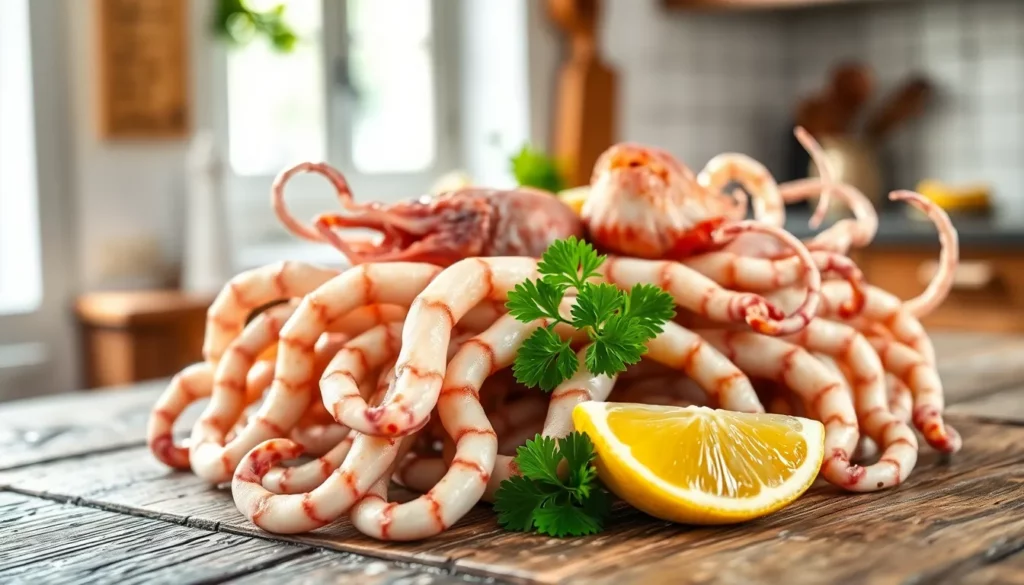
Calamari is the Italian term for squid, specifically referring to cephalopods of the genus Loligo and related species commonly harvested in the Mediterranean Sea. In Italian culinary tradition, calamari are prized for their delicate, slightly sweet flavor and tender texture when prepared correctly. The most prevalent species in Italian waters is Loligo vulgaris, also known as the European squid, which thrives in the Adriatic and Tyrrhenian seas. While calamari does not hold a DOP (Denominazione di Origine Protetta) or PGI (Indicazione Geografica Protetta) status, certain regional varieties such as Calamaro di Santa Margherita Ligure are recognized as PAT (Prodotto Agroalimentare Tradizionale) by the Italian Ministry of Agricultural Policies, highlighting their traditional production methods and local heritage. Calamari are typically caught year-round, with peak seasons in late spring and early autumn, and are a staple of coastal Italian cuisine from Liguria to Sicily.
Types & Grades
Calamari are categorized by size, freshness, and processing method. The following table outlines the primary types and their typical culinary applications:
| Type | Description | Typical Use |
|---|---|---|
| Calamaretti (Small) | Whole squid, 5–10 cm in length, very tender | Fried whole as an appetizer or in mixed seafood fritti |
| Calamari Medi (Medium) | 10–20 cm, firm yet tender flesh | Grilled, stuffed, or sliced into rings for frying |
| Calamari Grossi (Large) | 20–30 cm or larger, thicker meat | Stuffed with breadcrumbs and herbs, or slow-cooked in sugo |
| Fresh (Never Frozen) | Whole or cleaned, sold chilled, with bright skin and clear eyes | Preferred for raw preparations (crudo) or delicate cooking |
| Frozen | Individually quick-frozen (IQF) or block-frozen | Convenient for frying or stewing; quality varies by handling |
| Pre-cleaned (Tubes & Tentacles) | Ready-to-cook, often sold frozen or fresh | Time-saving for home cooks; ideal for rings or stir-fries |
Grades are also determined by origin: Mediterranean-caught calamari are generally considered superior due to their diet and environment, while imported Pacific squid (Loligo opalescens) are more common in mass markets but may lack the same depth of flavor.

How It’s Used in Cooking
Calamari is incredibly versatile in Italian cuisine, appearing in both rustic and refined dishes. The key to successful preparation lies in either very quick cooking (high heat for seconds) or long, slow braising—anything in between results in rubbery texture.
Traditional Dishes
- Calamari Fritti – Tender rings and tentacles dredged in flour (or semolina) and deep-fried until golden. Served with lemon wedges and often a side of marinara sauce. A classic fritto misto component.
- Calamari alla Griglia – Whole or halved calamari marinated in olive oil, lemon, garlic, and herbs, then grilled over high heat. Served as a main course or antipasto.
- Calamari Ripieni – Large calamari tubes stuffed with a mixture of breadcrumbs, garlic, parsley, capers, anchovies, and sometimes pine nuts or raisins, then baked or simmered in tomato sauce.
- Insalata di Calamari – Poached or grilled calamari sliced and tossed with lemon, olive oil, parsley, and sometimes celery or olives. A refreshing summer salad.
- Spaghetti ai Calamari – A simple pasta dish where calamari are quickly sautéed with garlic, white wine, and cherry tomatoes, then tossed with spaghetti.
“Calamari is the chameleon of the sea—it absorbs the flavors of the Mediterranean while retaining its own gentle sweetness.” – Chef Gualtiero Marchesi
How to Choose/Identify Authentic CALAMARI
Selecting high-quality calamari is essential for achieving the best results. Follow these practical guidelines:
- Freshness cues: Look for whole calamari with intact, iridescent skin, clear and bulging eyes, and a clean, briny scent (not fishy or ammonia-like). The flesh should be firm and spring back when pressed.
- Size matters: Smaller calamari (calamaretti) are naturally more tender and ideal for frying. Larger specimens are better for stuffing or slow cooking.
- Origin labeling: Authentic Italian calamari often comes from the Adriatic or Tyrrhenian seas. Check for “Molluschi” (mollusks) and country of origin on packaging. Mediterranean-caught squid is generally preferred for its superior taste and sustainability.
- Frozen vs. fresh: If buying frozen, choose IQF (individually quick-frozen) products with minimal ice glaze. Avoid packages with large ice crystals, which indicate thawing and refreezing.
- Cleaning: If buying whole, ensure the quill (pen) and beak are removed. Pre-cleaned tubes should be free of any dark membrane or innards.
Substitutes
When authentic Italian calamari is unavailable, several substitutes can be used, each with distinct characteristics:
- Other squid species – Pacific squid (Loligo opalescens) or Argentine shortfin squid (Illex argentinus) are common alternatives. They are slightly less tender but work well in fried or stewed dishes.
- Cuttlefish (Seppia) – A close relative with a richer, more intense flavor and firmer texture. Ideal for long-cooked sauces (e.g., spaghetti al nero di seppia) or stews.
- Octopus (Polpo) – Offers a meatier, chewier texture. Best for salads, grilled dishes, or braised preparations where calamari would be too delicate.
- Scallops or shrimp – For quick sautés or fritti, these shellfish provide a similar sweetness and tenderness, though the flavor profile differs.
When substituting, adjust cooking times accordingly: cuttlefish and octopus require longer cooking to become tender, while squid alternatives should be cooked quickly or slowly to avoid toughness.
In summary, calamari is a cornerstone of Italian seafood cuisine, valued for its versatility and delicate taste. Understanding the types, proper selection, and cooking techniques ensures that this Mediterranean treasure shines in every dish.
FAQ
What is the difference between calamari and squid?
In culinary terms, 'calamari' is simply the Italian word for squid. However, in English-speaking contexts, 'calamari' often refers to the prepared dish (especially fried squid rings), while 'squid' is the animal itself. Both terms refer to the same cephalopod.
How do you clean fresh calamari?
To clean whole calamari, grasp the head and tentacles and pull gently to separate from the body. Remove the transparent quill (pen) from inside the body tube. Cut the tentacles just below the eyes and discard the beak (the hard mouth part). Rinse the tube and tentacles under cold water, and peel off the thin dark skin if desired.
Can you eat calamari raw?
Yes, very fresh calamari can be eaten raw in Italian cuisine, often as carpaccio or in crudo dishes. It should be sliced very thin and served immediately with olive oil, lemon, and sea salt. Only use the freshest, highest-quality squid from a trusted source.
How do you prevent calamari from becoming rubbery?
Calamari becomes rubbery when cooked at medium heat for too long. The two safe approaches are: (1) high-heat cooking for a very short time (30–60 seconds for frying or grilling), or (2) long, slow braising (30–45 minutes) to break down the collagen. Avoid any cooking time in between.


Leave a Reply