
Short Answer
What It Is
Dragoncello (Artemisia dracunculus) is the Italian term for tarragon, a perennial herb native to Eurasia and widely cultivated in Italy, particularly in the regions of Liguria, Tuscany, and Umbria. The name derives from the Latin dracunculus (little dragon), alluding to the plant’s serpentine roots and its historical use as a remedy for snakebites. In Italian gastronomy, Dragoncello is celebrated for its delicate, slightly sweet aniseed flavor with hints of vanilla and pepper. Unlike French tarragon, which is the most common culinary variety, Italian Dragoncello often refers to a specific landrace grown in the hills of Val d’Orcia, where the microclimate and calcareous soils impart a more pronounced aromatic profile. Since 2018, Dragoncello di Val d’Orcia has been recognized as a PGI product by the European Union, ensuring that only herbs harvested from designated farms in the province of Siena can bear the label. The production method involves hand-picking the tender leaves and stems in early summer, followed by gentle drying in shaded, ventilated rooms to preserve essential oils. The final product is sold as whole leaves, crushed flakes, or infused in extra-virgin olive oil.
Types & Grades
Dragoncello is classified by its form and aging (or drying) process. The table below outlines the main grades available in the Italian market:
| Grade | Description | Typical Use |
|---|---|---|
| Fresco (Fresh) | Whole, vibrant green leaves harvested within 24 hours. Highly perishable, with a shelf life of 3–5 days under refrigeration. | Salads, pesto, finishing dishes, and infusions. |
| Essiccato (Dried) | Leaves dried at low temperature (max 35°C) to retain color and aroma. Available as whole leaves or coarse flakes. | Long-cooking sauces, marinades, and dry rubs. |
| Olio Aromatico (Infused Oil) | Fresh Dragoncello steeped in extra-virgin olive oil for 30 days, then filtered. Must be stored away from light. | Drizzling over grilled vegetables, bruschetta, or fish. |
| Aceto Aromatico (Infused Vinegar) | White wine vinegar infused with fresh Dragoncello for 2–3 weeks. A staple in Italian pickling. | Salad dressings, marinades for seafood, and preserving vegetables. |
Within the dried category, Dragoncello di Val d’Orcia PGI is further graded by leaf size: Foglia Intera (whole leaf) for premium presentation, and Polvere (powder) for industrial use. Only the whole-leaf grade is eligible for the PGI seal.

How It’s Used in Cooking
Dragoncello is a cornerstone of many traditional Italian recipes, especially in the northern and central regions. Its subtle anise flavor complements delicate proteins and vegetables without overpowering them.
Classic Dishes
- Pollo alla Dragoncello – Chicken braised with white wine, cream, and fresh Dragoncello leaves. The herb is added at the end to preserve its volatile oils.
- Risotto con Dragoncello e Gamberi – A creamy risotto from the Veneto region, where fresh Dragoncello is stirred in just before serving, paired with sautéed prawns.
- Frittata alle Erbe – A simple omelette with a handful of chopped Dragoncello, often combined with parsley and chives.
- Insalata di Finocchio e Dragoncello – Thinly sliced fennel bulb tossed with lemon juice, olive oil, and fresh Dragoncello leaves – a classic summer salad.
Preservation and Infusions
In Liguria, Dragoncello is a key ingredient in Pesto alla Genovese variations, though basil remains dominant. More commonly, the herb is used to flavor olive oil and vinegar, which are then employed in dressings and marinades. A traditional saying from Tuscany goes:
“Dragoncello in aceto, il pesce è perfetto.” (Dragoncello in vinegar, the fish is perfect.)
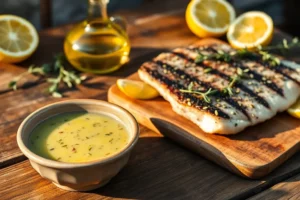
This reflects the herb’s affinity with seafood, especially grilled or poached fish. Chefs also use Dragoncello to make burro aromatico (herb butter) by blending softened butter with chopped fresh leaves, lemon zest, and salt – ideal for finishing steaks or steamed vegetables.
How to Choose/Identify Authentic Dragoncello
When purchasing Dragoncello, especially if you seek the PGI variety, look for these authenticity cues:
- Labeling: Authentic Dragoncello di Val d’Orcia PGI will display the EU PGI logo and a lot number traceable to the consortium. The packaging should state “Prodotto in Italia” and the specific commune of origin.
- Appearance: Fresh Dragoncello should have bright green, unblemished leaves with a strong, sweet anise aroma. Dried whole leaves should be intact, not crumbled, and retain a greenish hue – brown or yellow indicates poor drying or age.
- Smell: The scent should be immediately reminiscent of licorice and fresh hay, without any musty or sour notes. If the herb smells flat or grassy, it is likely old or adulterated.
- Texture: Dried Dragoncello should be brittle but not powdery. Avoid products with excessive dust or stems.
- Price: Genuine PGI Dragoncello is typically 30–50% more expensive than generic tarragon due to limited production and hand-harvesting. Extremely cheap options are likely imports from Eastern Europe.
For commercial buyers, always request a certificate of analysis showing essential oil content (especially methyl chavicol and estragole levels) to confirm purity.
Substitutes
If Dragoncello is unavailable, Italian cooks turn to these authentic substitutes, each with a specific rationale:
- Finocchietto (Wild Fennel) – The feathery leaves of wild fennel offer a similar anise note, though more pronounced and slightly bitter. Use in fish dishes and sauces where Dragoncello is called for, but reduce the quantity by half.
- Anice Verde (Green Anise) – The seeds or leaves of Pimpinella anisum provide a sweeter, more licorice-forward flavor. Best in baked goods or when the herb is cooked for a long time, as the flavor mellows.
- Cerfoglio (Chervil) – A delicate herb with a faint anise undertone, chervil is the closest substitute in fresh salads and light sauces. Use equal amounts, but add at the last moment as heat destroys its flavor.
- Menta Romana (Roman Mint) – In some Roman recipes, a mild mint variety is used to mimic the cool, aromatic quality of Dragoncello. This works well in lamb dishes and vegetable stews.
Note that dried tarragon from France can be used, but it lacks the PGI guarantee and may have a harsher flavor profile. For authentic Italian results, stick to the substitutes above.
Conclusion
Dragoncello, the Italian tarragon, is a versatile and historically rich herb that elevates both simple and elaborate dishes. Whether you choose the fresh leaves for a summer salad or the PGI dried variety for a slow-cooked sauce, understanding its grades, uses, and authenticity markers ensures you bring the true taste of Italian tradition to your table. As with all fine ingredients, quality begins with the source – seek out certified producers and savor the difference.
FAQ
What is Dragoncello in English?
Dragoncello is the Italian name for tarragon (Artemisia dracunculus). In English, it is commonly referred to as tarragon, though the Italian PGI variety is specifically called Dragoncello di Val d'Orcia.
Can I use French tarragon instead of Italian Dragoncello?
Yes, French tarragon is a close substitute, but it may have a slightly stronger, more bitter flavor. For authentic Italian recipes, especially those that call for the PGI variety, we recommend using one of the Italian substitutes like wild fennel or chervil to maintain the regional character.
How should I store fresh Dragoncello?
Fresh Dragoncello should be wrapped in a damp paper towel, placed in a perforated plastic bag, and stored in the refrigerator. It will keep for 3–5 days. For longer storage, you can freeze the leaves in ice cube trays with a little water or olive oil.
Leave a Reply