
Short Answer
What It Is
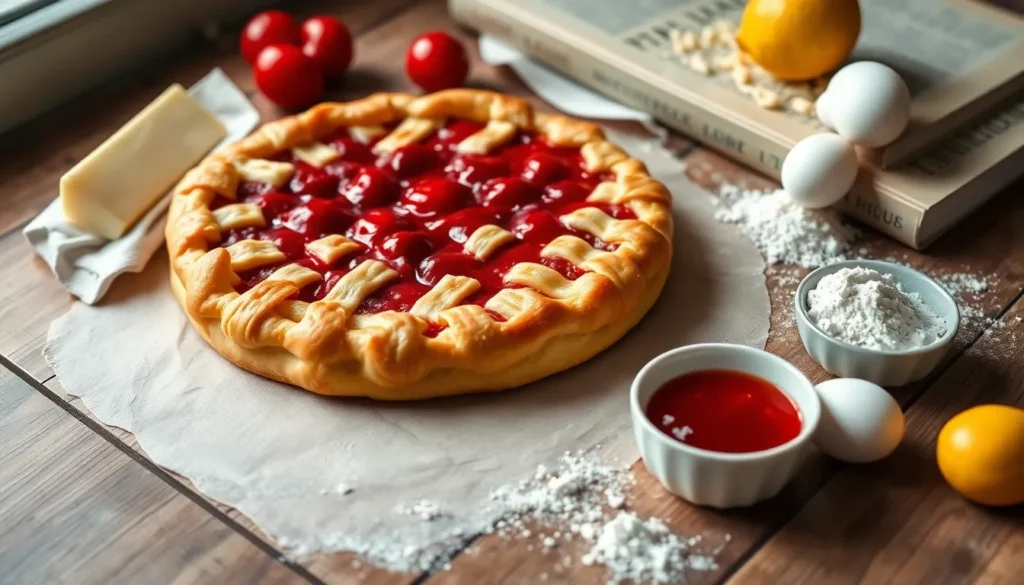
Pasta frolla (Italian shortcrust pastry) is a fundamental preparation in Italian pastry-making, characterized by its delicate, crumbly texture and sweet flavor. Unlike the French pâte brisée or pâte sablée, pasta frolla relies on a precise balance of flour, butter, sugar, and egg yolks, often enriched with a touch of lemon zest or vanilla. The dough is worked quickly to avoid developing gluten, resulting in a tender, melt-in-the-mouth consistency that forms the base of countless traditional desserts.
The origins of pasta frolla are deeply rooted in the culinary traditions of northern Italy, particularly Emilia-Romagna and Lombardy, where butter-rich pastries have been documented since the Renaissance. The first written recipes appear in Bartolomeo Scappi’s 1570 cookbook Opera, which describes a sweet pastry used for pies and tarts. Over centuries, the recipe evolved, with regional variations emerging: in Tuscany, olive oil sometimes replaces butter; in Sicily, lard is used for a flakier texture. However, the classic version remains a cornerstone of Italian home baking and professional pastry kitchens.
Unlike many Italian products, pasta frolla does not hold a DOP (Denominazione di Origine Protetta) or PGI (Indicazione Geografica Protetta) status, as it is a basic preparation rather than a finished product. However, the Italian Ministry of Agricultural Policies recognizes it as a traditional agri-food product (PAT) in several regions, acknowledging its cultural significance. The quality of pasta frolla depends entirely on the ingredients and technique, with artisanal producers often using locally sourced butter and farm-fresh eggs.
Types & Grades
Pasta frolla is classified into several types based on texture, fat content, and intended use. Professional pastry chefs distinguish between three main grades, each suited to specific applications. The table below summarizes the key differences:
| Type | Fat Content | Texture | Primary Use |
|---|---|---|---|
| Pasta Frolla Classica | ~30% butter | Tender, slightly crumbly | Crostate, tart shells, cookies |
| Pasta Frolla Montata | ~40% butter (creamed) | Light, airy, almost shortbread-like | Biscotti di pasta frolla, filled pastries |
| Pasta Frolla Sabbiata | ~25% butter (sandy method) | Very crumbly, sandy texture | Delicate tarts, crumble bases |
Beyond these, regional variations include Pasta Frolla all’Olio (using olive oil, common in Tuscany and Liguria) and Pasta Frolla allo Strutto (using lard, typical of Sicily and southern Italy). The choice of fat dramatically affects flavor and texture: butter yields a rich, creamy taste; olive oil adds fruity notes; lard produces a flaky, savory edge. In professional kitchens, pasta frolla is often aged for 24 hours in the refrigerator to relax the gluten and enhance flavor, though this is not a formal grading system.
How It’s Used in Cooking
Pasta frolla is the backbone of Italian pastry, appearing in both rustic home desserts and refined pasticceria creations. Its primary applications include:
- Crostate – The quintessential Italian jam tart, where pasta frolla forms a buttery crust filled with fruit preserves or pastry cream. Regional variations include Crostata di Ricotta (Lazio) and Crostata di Visciole (Marche).
- Biscotti di Pasta Frolla – Simple butter cookies often flavored with lemon, vanilla, or cocoa. These are a staple of Italian bakeries and holiday gift boxes.
- Pastiera Napoletana – A Neapolitan Easter pie made with pasta frolla crust and a filling of ricotta, cooked wheat, and orange blossom water. The dough must be sturdy enough to hold the moist filling.
- Filled Pastries – Small tartlets (cestini) and pasticcini use pasta frolla as a base for custards, fresh fruit, or chocolate ganache.
- Bakewell Tart (Italian adaptation) – While originally English, Italian versions use pasta frolla with almond cream and jam.
In professional kitchens, pasta frolla is also used for sfogliatelle (though the classic version uses a laminated dough) and as a base for torta della nonna (grandmother’s cake) – a pine nut and custard tart. The dough’s low moisture content makes it ideal for blind baking, ensuring a crisp shell that doesn’t become soggy.
How to Choose/Identify Authentic Pasta Frolla
When purchasing pre-made pasta frolla (fresh or frozen) or seeking authentic artisanal versions, consider these cues:
- Ingredient List – Authentic pasta frolla contains only flour, butter, sugar, egg yolks, and natural flavorings (lemon zest, vanilla). Avoid products with hydrogenated fats, artificial preservatives, or excessive stabilizers.
- Butter Quality – Look for butter as the first ingredient, preferably from European or Italian sources (e.g., burro di panna). The fat content should be at least 82%.
- Texture – Fresh pasta frolla should be firm but pliable, not sticky or greasy. When baked, it should be pale golden with a fine, sandy crumb.
- Packaging – Artisanal producers often indicate the region of origin (e.g., “Pasta Frolla all’Emiliana”) and may include a PAT (Prodotto Agroalimentare Tradizionale) label. Check for the producer’s name and address.
- Certifications – While no DOP exists, look for “Prodotto Artigianale” or “Fatto in Italia” claims. Some producers participate in voluntary quality schemes like “Pasticceria Tradizionale Italiana.”
- Price – Genuine pasta frolla made with high-quality butter and eggs will cost more than mass-produced versions. Expect to pay €8–15 per kg for fresh artisanal dough.
For commercial buyers, request a sample and test the dough’s workability: it should roll out evenly without cracking and hold its shape during baking. Avoid doughs that feel overly soft or have a strong artificial vanilla scent.
Substitutes
In Italian cooking, several alternatives to pasta frolla exist, each with distinct characteristics:
- Pasta Brisée (Pasta Brisee) – The French shortcrust pastry, made with butter and water instead of egg yolks. It is less sweet and more flaky, suitable for savory tarts or when a neutral base is desired. Use it for quiches or savory crostate.
- Pasta Sablée – A richer, more crumbly French pastry with a higher butter-to-flour ratio and often ground almonds. It is closer to pasta frolla montata and works well for delicate fruit tarts.
- Pasta Frolla all’Olio – A regional Italian variant using olive oil, common in Tuscany and Liguria. It has a fruity flavor and is less tender but more rustic. Ideal for savory pies or when butter is unavailable.
- Pasta Frolla allo Strutto – Made with lard, this southern Italian version is flakier and more savory. It is traditional for cannoli shells and some Sicilian pastries.
When substituting, adjust sugar and fat ratios to match the recipe. For a gluten-free option, use a blend of rice flour and potato starch with xanthan gum, but note that the texture will be more fragile.
Conclusion
Pasta frolla is more than a simple pastry dough; it is a testament to Italian culinary heritage, embodying centuries of tradition and regional diversity. Whether you are a home baker crafting a crostata or a pastry chef perfecting a millefoglie, understanding the nuances of pasta frolla – from its types and uses to authenticity markers – elevates your creations. By choosing quality ingredients and respecting the technique, you honor the legacy of this essential Italian staple.
FAQ
What is the difference between pasta frolla and pâte brisée?
Pasta frolla is a sweet Italian shortcrust pastry made with egg yolks, giving it a richer, more tender crumb. Pâte brisée is a French savory pastry that uses water instead of eggs, resulting in a flakier, less sweet dough. Pasta frolla is typically used for desserts, while pâte brisée is for quiches and savory tarts.
Can I freeze pasta frolla dough?
Yes, pasta frolla freezes well. Wrap the dough tightly in plastic wrap and store in an airtight container for up to 3 months. Thaw overnight in the refrigerator before rolling. Freezing may slightly reduce the dough's tenderness, so it's best for baked goods that will be filled or glazed.
Why is my pasta frolla tough?
Tough pasta frolla is usually the result of overworking the dough, which develops gluten. To avoid this, mix ingredients just until combined, handle the dough as little as possible, and chill it thoroughly before rolling. Also, ensure your butter is cold and cut into small pieces to prevent overmixing.

Leave a Reply