
Short Answer
Capperi—the unopened flower buds of the Capparis spinosa shrub—are a cornerstone of Mediterranean gastronomy. For centuries, these tiny, brine‑ or salt‑cured buds have imparted a distinctive piquancy and floral salinity to dishes across Italy and beyond. This article delves into the production, classification, culinary applications, and authentication of capperi, offering a comprehensive resource for chefs, food writers, and passionate home cooks.
What It Is
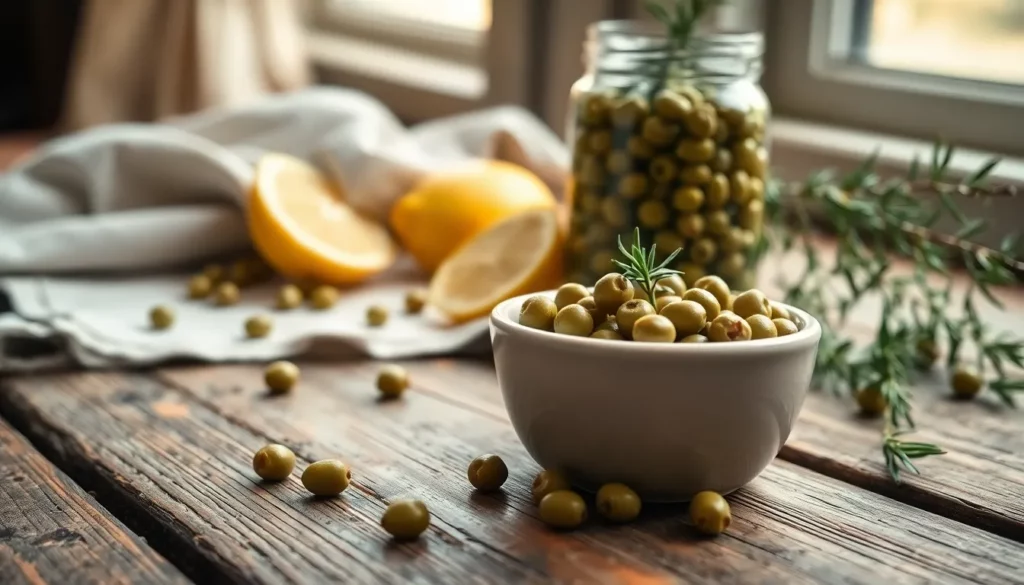
Capperi are the hand‑harvested flower buds of the caper bush, a perennial plant that thrives in the arid, rocky soils of the Mediterranean basin. The buds are picked at dawn before they open, then processed through a series of steps: wilting, salting or brining, and aging. The result is a concentrated burst of flavor—tangy, slightly bitter, and herbaceous—that defines many Italian classics.
The most prestigious Italian capperi come from the island of Pantelleria, which holds a Protected Designation of Origin (DOP) status under EU law. Pantelleria capperi are renowned for their intense aroma, small size, and firm texture, a product of the island’s volcanic soil and unique microclimate. Other notable Italian regions include the Aeolian Islands (especially Salina), Sardinia, and Sicily, where capperi are often paired with local olive oils and tomatoes.
Production is labor‑intensive: each bud is hand‑picked, then sorted by size. The traditional method involves layering buds with sea salt in wooden barrels, allowing them to ferment naturally for several months. This process develops the characteristic flavor while preserving the bud’s integrity. Modern producers may use brine (water, salt, vinegar) for a milder, quicker cure.
Types & Grades
Capperi are classified primarily by size, which correlates with tenderness and intensity. The smallest buds are the most prized. Below is a standard grading table used in Italian commerce:
| Grade | Diameter (mm) | Description | Common Uses |
|---|---|---|---|
| Nonpareil | < 7 | Smallest, most tender; intense floral flavor | Gourmet dishes, raw applications, finishing |
| Capucines | 7–9 | Medium size; balanced pungency | Pasta sauces, salads, antipasti |
| Capotes | 9–11 | Larger, slightly tougher; milder taste | Stews, braises, cooked sauces |
| Fines | 11–13 | Largest grade; often used for stuffing | Stuffed olives, tapenade, garnishes |
Beyond size, capperi are distinguished by their preservation method:
- Salted capperi – packed in coarse sea salt; require rinsing before use. Offer the most intense, complex flavor.
- Brined capperi – preserved in a vinegar‑salt solution; milder and ready to use. Common in supermarkets.
- Dried capperi – less common; used in spice blends or rehydrated.
Authentic DOP Pantelleria capperi are always sold salted, never brined, and carry the official DOP seal.
How It’s Used in Cooking
Capperi are a versatile ingredient, lending their unique character to both hot and cold preparations. Their primary role is to provide acidity, saltiness, and a subtle floral bitterness that cuts through rich or fatty components.
Classic Italian Dishes
- Pasta alla Puttanesca – a Neapolitan sauce of tomatoes, olives, anchovies, garlic, and capperi. The capers balance the saltiness of anchovies and olives.
- Vitello Tonnato – cold sliced veal with a creamy tuna‑caper sauce. Capers add brightness to the rich sauce.
- Chicken Piccata – pan‑fried chicken cutlets in a lemon‑butter sauce with capers. The capers provide a burst of acidity.
- Insalata di Mare – seafood salad with lemon, olive oil, and capers. Capers enhance the brininess of shellfish.
- Caponata – Sicilian sweet‑sour eggplant stew often finished with capers for a tangy kick.
Professional Kitchen Tips
Chefs often use salted capers for their superior texture and flavor. To desalt, rinse under cold water and soak for 10–15 minutes, then pat dry. Brined capers can be used directly but may be rinsed to reduce vinegar sharpness. Add capers late in cooking to preserve their texture; prolonged heat can make them mushy.
“Capers are the salt of the Mediterranean—they don’t just season; they transform.” – Traditional Sicilian saying
How to Choose/Identify Authentic CAPPERI
When purchasing capperi, especially for professional or gourmet use, authenticity is paramount. Follow these guidelines:
- Look for the DOP label – Only capperi from Pantelleria can bear the DOP mark. Check for the official EU logo and the words “Cappero di Pantelleria DOP”.
- Check the ingredient list – Authentic salted capers contain only capers and sea salt. Brined versions may include vinegar, citric acid, or preservatives. Avoid added sulfites if possible.
- Examine size and color – High‑quality capers are uniform in size, dark green to olive‑green, with a firm, unblemished surface. Pale or mushy buds indicate poor processing.
- Smell and taste – They should have a pungent, floral aroma with a clean saltiness. Off‑odors (musty, overly sour) suggest spoilage.
- Source from reputable Italian producers – Brands like Consorzio del Cappero di Pantelleria, Olearia Clemente, or La Nicchia are reliable. Avoid generic “capers” from unknown origins.
For commercial buyers, consider the intended use: nonpareil grade for raw applications, capucines for sauces, and capotes for cooked dishes. Always store opened capers in their brine or salt in a cool, dark place.
Substitutes
While no substitute perfectly replicates the unique flavor of capperi, several Italian alternatives can be used in a pinch:
- Nasturtium buds (capperi di monte) – Pickled buds of Tropaeolum majus; similar peppery, tangy taste. Common in Italian home gardens. Use in salads or as a garnish.
- Green olives (chopped) – Provide saltiness and acidity, though lacking the floral notes. Best in cooked sauces like puttanesca.
- Anchovies (rinsed and chopped) – Add salt and umami; can mimic the brininess. Use sparingly in place of capers in sauces.
- Lemon zest and juice – For acidity and brightness, especially in seafood dishes. Combine with a pinch of salt for a closer approximation.
When substituting, adjust salt levels accordingly, as capers are high in sodium. For the most authentic result, seek out Italian capperi di monte (nasturtium buds) which are a traditional, though less common, alternative.
Conclusion
Capperi are far more than a simple condiment—they are a testament to Mediterranean terroir and artisanal tradition. From the volcanic slopes of Pantelleria to the bustling kitchens of Rome, these tiny buds deliver an irreplaceable burst of flavor. By understanding their grades, production methods, and culinary roles, you can select and use capperi with confidence, elevating your dishes with a true taste of Italy.
FAQ
What is the difference between salted and brined capers?
Salted capers are preserved in coarse sea salt, which draws out moisture and concentrates flavor. They require rinsing before use and offer a more intense, complex taste. Brined capers are packed in a vinegar-salt solution, making them milder and ready to use straight from the jar. Salted capers are preferred by chefs for their superior texture and flavor.
Are all capers from Italy DOP certified?
No. Only capers from Pantelleria that meet strict production standards can carry the DOP (Protected Designation of Origin) label. Other Italian capers, such as those from the Aeolian Islands or Sardinia, may have IGP (Protected Geographical Indication) status or no certification. Always check the label for authenticity.
Can I use capers straight from the jar without rinsing?
Brined capers can be used directly, but rinsing them briefly under cold water reduces excess vinegar and salt, allowing the caper's own flavor to shine. Salted capers must be rinsed and soaked for 10–15 minutes to remove surface salt before use.
What is the best substitute for capers in Italian cooking?
The most authentic Italian substitute is pickled nasturtium buds (capperi di monte), which have a similar peppery tang. Other options include chopped green olives, rinsed anchovies, or a squeeze of lemon juice with a pinch of salt, though none perfectly replicate the unique floral-bitter note of true capers.

Leave a Reply