
Short Answer
What It Is
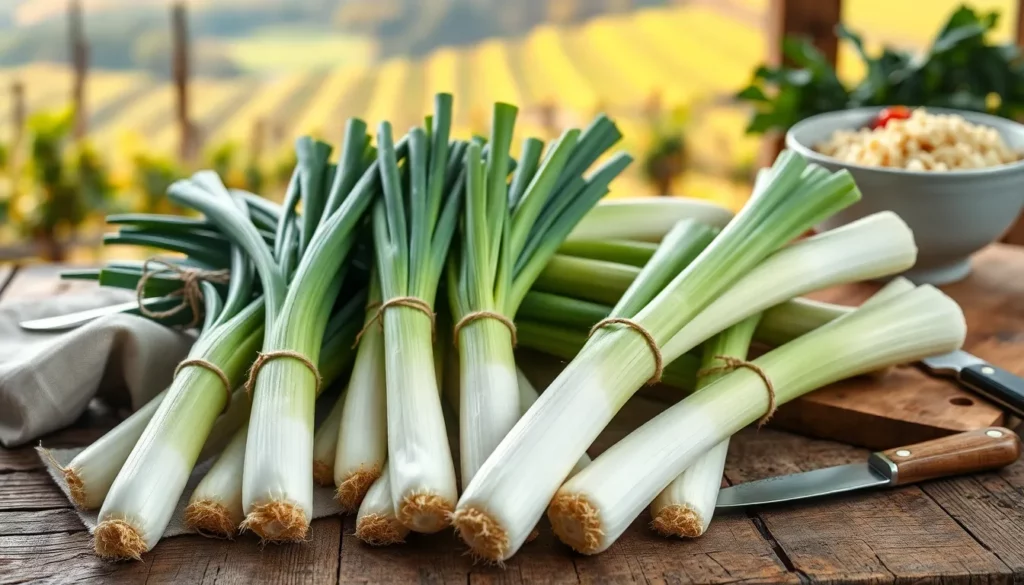
Porro leek (Allium porrum) is a cornerstone of Italian vegetable cultivation, particularly in the northern regions of Piedmont and Emilia-Romagna. Unlike common leeks, authentic Italian Porro is grown under strict traditional methods that have earned it Protected Geographical Indication (PGI) status for Porro di Cervere and Porro di Parma. The production method involves deep trenching, blanching the stems to achieve a tender, sweet white shaft, and harvesting by hand from autumn through early spring. The region of origin—Cervere in Piedmont and the Parma lowlands—provides a unique microclimate with cold winters and alluvial soils, which concentrate sugars and reduce pungency. The PGI certification, granted by the European Union, ensures that only leeks grown in these delimited areas and following traditional practices can bear the name. Historical records from the 16th century mention leek cultivation in these areas, and today the product is celebrated in local sagre (food festivals) and by the Accademia Italiana della Cucina.
Types & Grades
Italian Porro leeks are classified by size, length of the white stem, and seasonality. The table below outlines the main commercial grades recognized by the Consorzio di Tutela (protection consortium).
| Grade | White Stem Length | Diameter | Typical Use |
|---|---|---|---|
| Extra (Fino) | ≥ 25 cm | 2–4 cm | Raw in salads, fine dining garnish |
| Prima (First) | 20–25 cm | 3–5 cm | Sautéed, braised, in risotti |
| Seconda (Second) | 15–20 cm | 4–6 cm | Soups, stews, stocks |
| Rustico (Rustic) | 10–15 cm | 5–7 cm | Long cooking, broths, minestrone |
Additionally, there are seasonal distinctions: Porro d’Inverno (winter leek) is hardier and more pungent, while Porro di Primavera (spring leek) is tender and sweet. The PGI varieties are further distinguished by their specific terroir: Porro di Cervere is known for its slender, intensely sweet shaft, while Porro di Parma is slightly thicker with a milder flavor.
How It’s Used in Cooking
In traditional Italian cuisine, Porro leek is revered for its ability to impart a delicate onion-like sweetness without overpowering other ingredients. Classic applications include:
- Risotto al Porro – a creamy risotto where leeks are gently sautéed in butter before adding rice and broth, often finished with Parmigiano-Reggiano.
- Porri in Tegame – leeks braised in olive oil, white wine, and a touch of tomato, served as a contorno (side dish).
- Minestrone di Porri – a hearty winter soup featuring leeks, potatoes, beans, and cavolo nero.
- Frittata di Porri – a simple egg dish with sautéed leeks and herbs.
- Porri Gratinati – leeks baked with béchamel and cheese, a classic from Emilia-Romagna.
Professional chefs also use Porro leek to flavor stocks, court-bouillon, and as a base for fish dishes. The green tops, though tougher, are ideal for infusing broths or making pesto. A traditional saying from Piedmont:
“Il porro è il cipollotto dei poveri, ma il re della pentola” (The leek is the poor man’s spring onion, but the king of the pot).
How to Choose/Identify Authentic PORRO Leak
When purchasing authentic Italian Porro leek, look for the following cues:
- Labeling: Seek the PGI logo (yellow and red EU symbol) and the specific name “Porro di Cervere” or “Porro di Parma”. The consortium’s seal guarantees origin.
- Appearance: The white shaft should be firm, unblemished, and at least 20 cm long for premium grades. The green leaves should be vibrant and not wilted.
- Texture: Authentic Porro has a crisp, dense texture; when cut, it should not be spongy or hollow.
- Aroma: A mild, sweet scent without excessive sulfur notes. Strong pungency indicates older or non-PGI leeks.
- Season: True Porro di Cervere is harvested from October to April. Out-of-season availability may suggest imports or non-certified product.
- Price: Expect a premium over common leeks, reflecting the artisanal production and limited yield.
For commercial buyers, request documentation from the Consorzio di Tutela or check the lot number on the packaging. Many Italian specialty distributors offer direct imports with traceability.
Substitutes
If authentic Italian Porro leek is unavailable, these Italian substitutes can be used, though each alters the dish slightly:
- Porro Comune (Common Leek) – standard leeks from other Italian regions (e.g., Lazio, Campania) lack the PGI terroir but share similar flavor. Use in cooked dishes; reduce cooking time to avoid bitterness.
- Scalogno (Shallot) – milder and sweeter, ideal for raw preparations or delicate sauces. Use half the quantity.
- Cipollotto (Spring Onion) – offers a similar fresh-onion taste with a tender white bulb. Best in salads or quick sautés.
- Porro Selvatico (Wild Leek) – foraged in some Italian regions, it has a stronger garlicky note. Use sparingly in soups.
For dishes where the leek is the star (e.g., risotto al porro), the best substitute is a high-quality common leek from a local farmer’s market, blanched to reduce harshness. Avoid using yellow onions, as they overpower the delicate flavor.
Conclusion
Italian Porro leek, especially the PGI varieties from Cervere and Parma, represents a pinnacle of vegetable craftsmanship. Its sweet, tender character and versatility in the kitchen make it indispensable in traditional and modern Italian cuisine. By understanding its grades, authentic markers, and proper substitutes, chefs and home cooks can honor this heritage ingredient and elevate their dishes with genuine Italian flavor.
FAQ
What is the difference between Porro di Cervere and Porro di Parma?
Both are PGI Italian leeks, but Porro di Cervere (from Piedmont) is typically slimmer, sweeter, and harvested in winter, while Porro di Parma (from Emilia-Romagna) is slightly thicker with a milder flavor and a longer harvest window. The terroir and traditional cultivation methods differ, but both are protected by EU geographical indications.
Can I use common supermarket leeks as a substitute for authentic Italian Porro?
Yes, but the flavor will be less sweet and more pungent. To approximate the delicate taste, blanch the leek slices in boiling water for 30 seconds before using, and choose leeks with long white shafts. For dishes where the leek is the star (e.g., risotto al porro), seek out PGI-certified Porro for the best result.
How should I store fresh Porro leeks to maintain quality?
Wrap the leeks loosely in a damp paper towel and place them in a perforated plastic bag in the refrigerator crisper drawer. They will keep for 1–2 weeks. Do not wash before storage; trim the roots and dark green tops slightly. For longer storage, blanch and freeze the white parts.


Leave a Reply