
Short Answer
Gnocchi (pronounced NYOH-kee) are a beloved category of Italian dumplings, distinct from pasta yet often grouped with it. Their soft, pillowy texture and ability to absorb sauces have made them a staple in trattorias and home kitchens worldwide. This guide delves into the origins, varieties, culinary applications, and authenticity markers of gnocchi, offering a comprehensive resource for both curious cooks and seasoned chefs.
What It Is
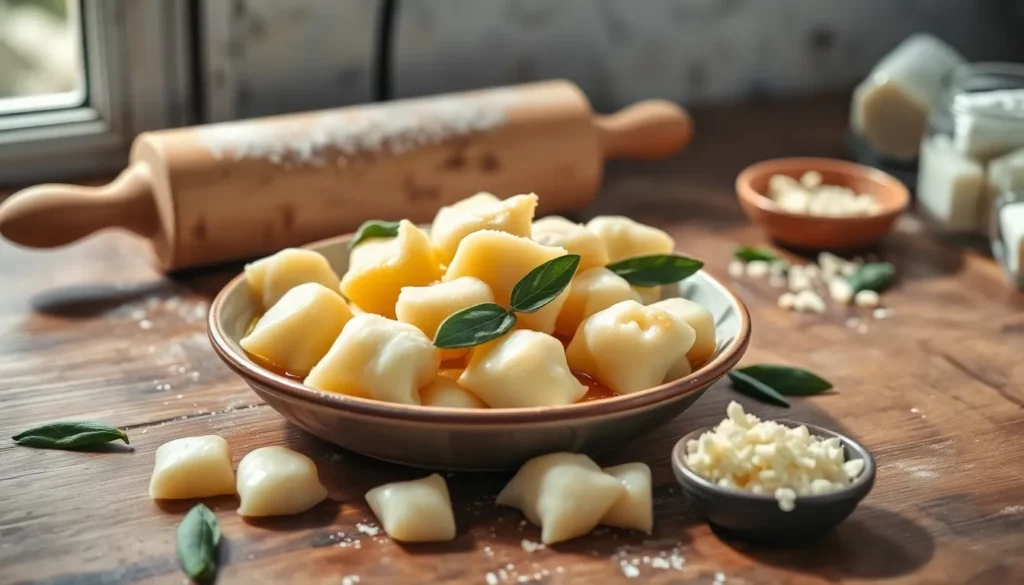
Gnocchi are small, soft dumplings traditionally made from potatoes, flour, and eggs. The classic method involves boiling or baking starchy potatoes, ricing them while hot, then mixing with flour and egg to form a dough. The dough is rolled into long ropes, cut into bite-sized pieces, and often pressed with a fork or gnocchi board to create ridges that hold sauce. The name derives from the Italian word nocchio, meaning a knot in wood, or from gnocco, a Lombard term for a lump.
While potato gnocchi are the most famous, the concept predates the introduction of potatoes to Europe. Ancient Roman puls (a porridge-like dish) and medieval malfatti (roughly shaped dumplings) are early ancestors. After the potato arrived from the Americas in the 16th century, it gradually replaced breadcrumbs and other starches in Northern Italy, particularly in Piedmont, Lombardy, and Veneto. Today, gnocchi are enjoyed across Italy and beyond, with numerous regional variations.
There is no DOP (Denominazione di Origine Protetta) status for generic gnocchi, but some regional products have PGI (Indicazione Geografica Protetta) recognition. For example, Gnocchi di patate della Val d’Adige (PGI) are made from potatoes grown in the Adige Valley, following strict traditional methods. Other artisanal producers may follow similar quality standards, but no single DOP exists for all gnocchi.
Types & Grades
Gnocchi vary widely by ingredient, texture, and preparation. The table below outlines the most common types and their characteristics.
| Type | Main Ingredient | Region | Texture | Best Use |
|---|---|---|---|---|
| Potato gnocchi | Potatoes, flour, egg | Piedmont, Lombardy, Veneto | Soft, pillowy | Tomato sauce, pesto, butter & sage |
| Ricotta gnocchi | Ricotta cheese, flour, egg | Central Italy (e.g., Lazio) | Light, airy | Delicate sauces, brown butter |
| Semolina gnocchi (Gnocchi alla romana) | Semolina, milk, butter, egg | Rome, Lazio | Firm, creamy inside | Baked with butter and cheese |
| Spinach gnocchi (Gnocchi verdi) | Spinach, ricotta, flour | Various | Soft, green-flecked | Butter, sage, or cream sauces |
| Pumpkin gnocchi | Pumpkin, flour, egg | Northern Italy (autumn) | Sweet, tender | Brown butter, sage, amaretti |
In terms of grades, gnocchi are sold fresh, dried, or frozen. Fresh gnocchi (often refrigerated) have a short shelf life and superior texture. Dried gnocchi are shelf-stable but can be dense; they require longer cooking. Frozen gnocchi offer convenience and often retain a decent texture if flash-frozen. Artisanal gnocchi, made with high-quality potatoes and minimal additives, are considered the highest grade, while industrial versions may contain potato flakes, starches, and preservatives.
How It’s Used in Cooking
Gnocchi are incredibly versatile and appear in both simple and elaborate dishes. The cooking method is straightforward: drop them into boiling salted water and cook until they float to the surface (usually 2–4 minutes for fresh, longer for dried). They are then drained and tossed with sauce.
Traditional Italian Dishes
- Gnocchi al pomodoro – Classic tomato sauce with basil, often finished with Parmigiano-Reggiano.
- Gnocchi al pesto – Ligurian-style with basil pesto, green beans, and potatoes.
- Gnocchi al burro e salvia – Brown butter and sage, a simple yet elegant preparation.
- Gnocchi alla sorrentina – Baked with tomato sauce, mozzarella, and basil (from Sorrento).
- Gnocchi al gorgonzola – Rich, creamy blue cheese sauce, popular in Lombardy.
- Gnocchi con ragù – Served with a slow-cooked meat sauce, especially in Emilia-Romagna.
Gnocchi can also be used in soups (e.g., minestra di gnocchi) or pan-fried after boiling for a crispy exterior. In professional kitchens, gnocchi are often made fresh daily, and chefs may incorporate herbs, spices, or even squid ink for color and flavor.
How to Choose/Identify Authentic GNOCCHI
For those seeking genuine Italian gnocchi, whether for a recipe or commercial purchase, consider these authenticity cues:
- Ingredient list: Authentic gnocchi contain real potatoes (not flakes), wheat flour, eggs, and salt. Avoid products with modified starches, gums, or artificial flavors.
- Potato content: High-quality gnocchi have a high percentage of potato (often 70–80%). Check the label; if potato is not the first ingredient, it’s likely inferior.
- Texture: Fresh gnocchi should feel soft but hold their shape. They should not be rubbery or overly dense.
- Appearance: Look for irregular, hand-rolled shapes with ridges. Uniform, perfectly smooth gnocchi are often machine-made.
- Origin: Italian-made gnocchi, especially from regions like Piedmont or Veneto, are more likely to follow traditional methods. Look for PGI labels such as “Gnocchi di patate della Val d’Adige” for guaranteed provenance.
- Packaging: Fresh gnocchi are typically sold in refrigerated trays. Dried gnocchi should be stored in a cool, dry place; check for any off odors or discoloration.
“The best gnocchi are light as a cloud, yet substantial enough to carry a sauce. They should never be heavy or gluey.” – Traditional Italian culinary wisdom
Substitutes
When gnocchi are unavailable or a different texture is desired, several Italian alternatives can be used:
- Cavatelli – Small, shell-shaped pasta from Southern Italy; similar in size and ability to hold sauce.
- Orecchiette – Ear-shaped pasta from Puglia; works well with chunky sauces and vegetables.
- Malloreddus – Sardinian gnocchi-like pasta made from semolina; often served with sausage ragù.
- Gnudi – Ricotta and spinach dumplings, lighter than gnocchi; a good substitute for ricotta gnocchi.
- Polenta – For a gluten-free option, soft polenta can replace gnocchi in baked dishes or as a base for sauces.
- Cauliflower gnocchi – A modern, low-carb alternative (not traditional but widely available).
Each substitute brings its own texture and flavor, so choose based on the sauce and desired outcome. For example, orecchiette pairs beautifully with broccoli rabe, while cavatelli is excellent with tomato-based sauces.
Conclusion
Gnocchi represent a cherished corner of Italian culinary heritage, evolving from ancient dumplings to the potato-based pillows we know today. Whether you opt for classic potato gnocchi, ricotta-based versions, or regional specialties like gnocchi alla romana, understanding their origins, types, and proper cooking techniques elevates any meal. When purchasing, prioritize authentic ingredients and artisanal production to experience gnocchi at their best. With this guide, you are equipped to explore, cook, and savor gnocchi like a true Italian.
FAQ
What is the difference between gnocchi and pasta?
Gnocchi are dumplings, not pasta, though they are often served similarly. Pasta is made from durum wheat semolina and water (or eggs), while gnocchi typically use potatoes, flour, and eggs. Gnocchi have a softer, pillowy texture and are cooked until they float, whereas pasta is cooked until al dente.
Can you freeze homemade gnocchi?
Yes, homemade gnocchi freeze very well. After shaping, place them on a floured tray in a single layer and freeze until solid. Transfer to a freezer bag. Cook directly from frozen, adding an extra minute to the cooking time.
How do you make gnocchi from scratch?
Boil or bake starchy potatoes (like Russet or Yukon Gold), rice them while hot, then mix with flour, egg, and salt to form a soft dough. Roll into ropes, cut into pieces, and press with a fork. Boil in salted water until they float, then toss with sauce.
Are gnocchi gluten-free?
Traditional gnocchi contain wheat flour, so they are not gluten-free. However, gluten-free versions can be made using rice flour, cornstarch, or potato starch. Some commercial brands offer gluten-free gnocchi.

Leave a Reply