
Short Answer
What It Is
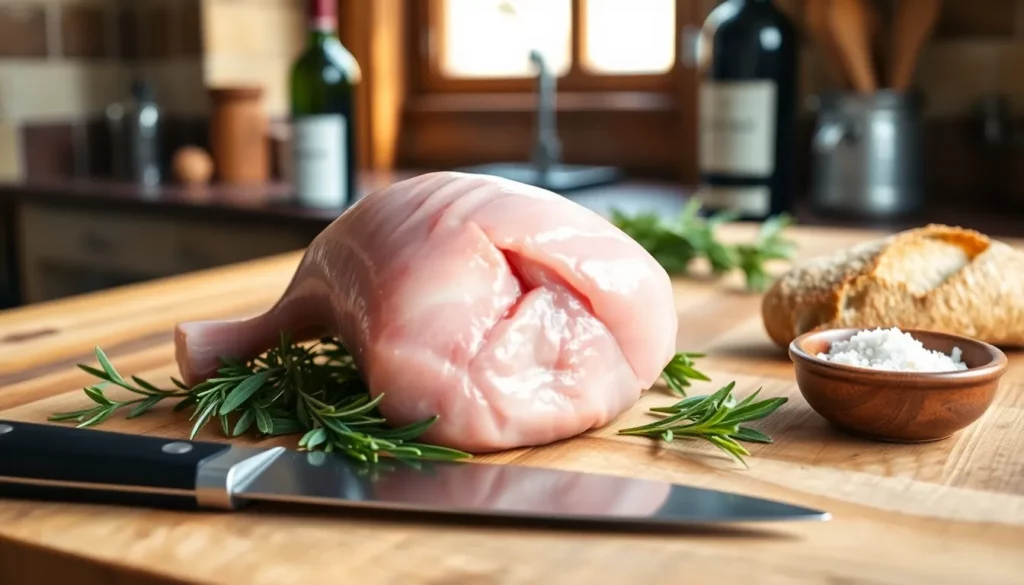
Rognone (pronounced roh-NYOH-neh) is the Italian word for kidney, most commonly referring to the culinary use of veal, pork, or lamb kidneys in traditional Italian cuisine. Unlike generic offal, rognone is celebrated for its delicate flavor and tender texture when properly sourced and prepared. The production method begins with the animal’s kidney being removed shortly after slaughter, then trimmed of fat and connective tissue. In Italy, the highest-quality rognone comes from young animals raised under certified production protocols, such as Vitellone Bianco dell’Appennino Centrale IGP (for veal) or Suino Pesante for pork kidneys used in Parma ham production. While there is no standalone DOP or PGI for rognone itself, the ingredient’s quality is intrinsically linked to the protected designations of the meat it comes from. The tradition of eating rognone dates back to ancient Roman times, when offal was considered a delicacy, and it remains a staple of cucina povera (peasant cooking) that has been elevated in modern Italian gastronomy.
Types & Grades
Rognone is categorized primarily by the animal source and, to a lesser extent, by aging or preparation method. The table below outlines the main types and their characteristics.
| Type | Animal Source | Flavor Profile | Texture | Typical Use |
|---|---|---|---|---|
| Rognone di Vitello | Veal (calf) | Mild, slightly sweet, delicate | Tender, fine-grained | Rognoni alla fiorentina, sautéed with butter and sage |
| Rognone di Maiale | Pork | More pronounced, earthy, slightly gamey | Firmer, coarser | Stews, pasta sauces, grilled skewers |
| Rognone di Agnello | Lamb | Strong, distinctive, grassy | Soft but can be chewy if overcooked | Traditional Roman dishes, fried or in ragù |
| Rognone di Manzo | Beef (adult cow) | Intense, robust, mineral | Dense, requires long cooking | Brasato, slow-cooked stews |
Grades are not officially standardized, but professional chefs distinguish between fresh rognone (never frozen, used within 24–48 hours) and aged rognone (dry-aged for 2–5 days to concentrate flavor and tenderize). Some specialty producers offer rognone stagionato (aged kidney) as a premium product, though this is rare outside of high-end butcheries.
How It’s Used in Cooking
Rognone is a versatile ingredient in Italian cuisine, appearing in both rustic and refined dishes. The key to successful preparation is proper cleaning and quick cooking to avoid toughness.
Traditional Dishes
- Rognoni alla Fiorentina – Veal kidneys sliced, floured, and sautéed in butter with fresh sage, white wine, and lemon juice. A classic of Tuscan cuisine.
- Rognone in Umido – Braised kidneys in tomato sauce with onions, carrots, and celery, often served with polenta.
- Spaghetti con Rognone – A Roman pasta dish where pork kidneys are diced and cooked with guanciale, white wine, and pecorino.
- Rognone alla Griglia – Marinated lamb kidneys grilled over charcoal, seasoned with rosemary and garlic.
Professional Techniques
Chefs often soak rognone in milk or salted water for 30 minutes to remove any ammonia-like odor. The kidneys are then patted dry, trimmed of the central white core (ureter and fat), and sliced or diced. High-heat searing is essential to develop a crust while keeping the interior pink. Overcooking results in a rubbery texture.
“Il rognone è un ingrediente che richiede rispetto: va pulito con cura e cotto al punto giusto, altrimenti diventa gomma.” – Traditional Tuscan butcher’s saying
How to Choose/Identify Authentic Rognone
For commercial buyers and home cooks alike, selecting authentic, high-quality rognone involves several cues:
- Color: Fresh veal kidney should be a uniform pale pink to light red; pork kidney is darker reddish-brown. Avoid any with greenish or grayish patches.
- Smell: A faint, clean, slightly metallic scent is normal. Strong ammonia or sour odors indicate spoilage.
- Texture: The surface should be moist but not slimy. Press gently – the flesh should spring back.
- Source: Look for labels indicating the animal’s origin, especially IGP or DOP meat certifications (e.g., Vitellone Bianco dell’Appennino Centrale IGP for veal, or Suino Pesante for pork). These guarantee traceability and traditional rearing methods.
- Fat covering: A thin layer of external fat is desirable as it protects the kidney during transport and adds flavor.
- Packaging: Vacuum-sealed, refrigerated packs with a clear production date. Avoid frozen rognone if possible, as freezing damages the delicate cell structure.
Authentic Italian rognone is often sold by specialized macellerie (butcher shops) that source from local farms. In the US or UK, look for “sweetbreads” or “kidney” from reputable halal or organic suppliers, but note that “rognone” specifically implies Italian-style preparation.
Substitutes
When rognone is unavailable, Italian cooks may turn to these genuine substitutes, each with its own rationale:
- Animelle (Sweetbreads) – The thymus gland of veal or lamb. They share a similar delicate flavor and creamy texture, and are often used in the same recipes (e.g., animelle alla fiorentina).
- Fegato (Liver) – Especially calf’s liver (fegato di vitello). It has a stronger, iron-rich taste but can be substituted in dishes like fegato alla veneziana (Venetian-style liver and onions) if kidneys are not available.
- Cuore (Heart) – Pork or veal heart, when thinly sliced and quickly sautéed, offers a similar chewiness and offal character, though it is leaner.
- Rognone di Maiale (Pork Kidney) – If veal kidney is specified, pork kidney is the closest substitute, though it requires longer soaking to mellow its stronger flavor.
These substitutes are not exact matches but are rooted in Italian culinary tradition and maintain the spirit of cucina povera.
Conclusion
Rognone, the Italian kidney, is a testament to the country’s reverence for nose-to-tail eating. From the delicate veal kidneys of Tuscany to the robust pork kidneys of Lazio, this offal offers a range of flavors and textures that reward careful selection and skilled cooking. By understanding the types, grades, and authenticity cues, chefs and home cooks can elevate rognone from a humble ingredient to a centerpiece of memorable Italian meals. Whether you are sourcing for a restaurant or exploring traditional recipes, let the principles of freshness, proper cleaning, and quick, high-heat cooking guide you.
FAQ
What is the best way to remove the strong smell from rognone?
Soak the kidneys in cold milk or lightly salted water for 30–60 minutes before cooking. This helps draw out any ammonia-like odors. After soaking, rinse and pat dry thoroughly.
Can I freeze rognone?
Freezing is not recommended for fresh rognone because the ice crystals damage the delicate cell structure, resulting in a mushy texture after thawing. If you must freeze, do so only for very short periods (1–2 weeks) and use the kidneys in braised dishes rather than quick sautés.
How do I know if rognone is fresh?
Fresh rognone should have a uniform color (pale pink for veal, reddish-brown for pork), a clean, faint metallic smell, and a moist but not slimy surface. Avoid any with greenish patches or strong ammonia odor.


Leave a Reply