
Short Answer
What It Is
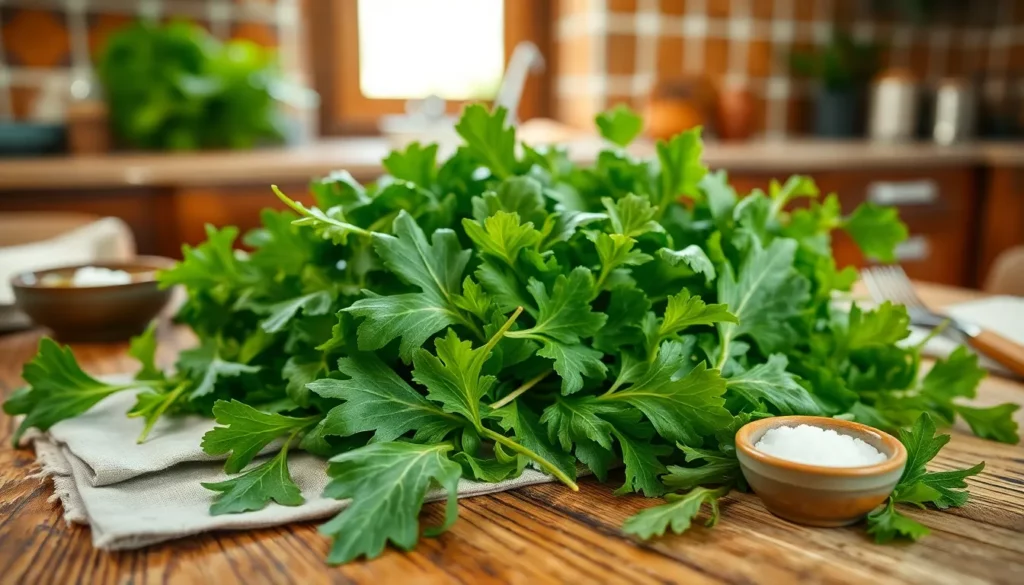
RUCOLA, known internationally as arugula or rocket, is a leafy green that has been a cornerstone of Italian cuisine since antiquity. Botanically, it refers primarily to two species: Eruca sativa (cultivated rocket) and Diplotaxis tenuifolia (wild rocket). The plant is native to the Mediterranean basin and was prized by ancient Romans for its peppery, slightly bitter flavor and reputed aphrodisiac properties. Today, RUCOLA is cultivated extensively in Italy, particularly in the regions of Campania, Lazio, and Puglia, where the unique terroir imparts a distinct character.
The most prestigious expression of RUCOLA is the PGI (Protected Geographical Indication) “Rucola della Piana del Sele”, recognized by the Italian Ministry of Agricultural, Food and Forestry Policies. This designation applies to wild rocket (Diplotaxis tenuifolia) grown in the Sele River plain in Campania. The PGI status guarantees that the product is grown, harvested, and processed within the defined geographical area, adhering to strict traditional methods. Production involves sowing in open fields, careful irrigation, and hand-harvesting when the leaves reach 10–15 cm in length, ensuring optimal tenderness and flavor.
“Rucola was considered a powerful stimulant by Roman gourmets, often served after heavy meals to aid digestion and rekindle the appetite.” – Apicius, De Re Coquinaria (1st century AD)
Types & Grades
RUCOLA is not a monolithic ingredient; it encompasses several varieties and grades that differ in leaf shape, intensity, and culinary application. The table below summarizes the main types:

| Type | Description | Typical Uses |
|---|---|---|
| Wild Rocket (Rucola Selvatica) | Diplotaxis tenuifolia; deeply lobed, dark green leaves; intense, pungent flavor; perennial. | Salads, pesto, pizza topping (added after baking), garnish. |
| Cultivated Rocket (Rucola Coltivata) | Eruca sativa; broader, smoother leaves; milder, nutty flavor; annual. | Mixed salads, pasta dishes, sandwiches, light cooking. |
| Baby Rocket | Young leaves of either species, harvested at 5–8 cm; tender, delicate flavor. | Gourmet salads, microgreen mixes, delicate garnishes. |
| Mature Rocket | Leaves harvested at full size (15–20 cm); more fibrous, stronger bite. | Cooked applications (e.g., wilted into pasta or risotto), robust salads. |
In commercial grading, RUCOLA is often classified as Extra (small, uniform, blemish-free leaves) or Standard (larger, slightly more varied leaves). The PGI “Rucola della Piana del Sele” is exclusively wild rocket and is considered the highest grade due to its controlled origin and artisanal harvest.
How It’s Used in Cooking
RUCOLA’s versatility makes it a staple in both rustic and refined Italian cooking. Its peppery bite adds contrast to rich, fatty, or sweet components. Traditional applications include:
- Salads: The classic combination is RUCOLA with shaved Parmigiano-Reggiano, lemon juice, extra-virgin olive oil, and balsamic vinegar. It also pairs well with pear, walnuts, and gorgonzola.
- Pizza: Fresh RUCOLA is scattered over pizza after baking to preserve its texture and flavor, often alongside prosciutto crudo and cherry tomatoes.
- Pesto: In Liguria and beyond, RUCOLA replaces or complements basil in pesto, blended with almonds or walnuts, garlic, pecorino, and olive oil. This pesto is used on pasta, bruschetta, or as a spread.
- Pasta: RUCOLA is wilted into hot pasta dishes, such as orecchiette with cherry tomatoes and ricotta, or added to risotto in the final minutes of cooking.
- Garnish: A handful of RUCOLA elevates grilled meats, fish, or roasted vegetables, adding freshness and color.
Chefs often use RUCOLA as a finishing green because its delicate leaves lose structure when cooked for long periods. The wild variety, with its sturdier leaves, can withstand brief heat, making it ideal for warm salads or light sautéing.
How to Choose/Identify Authentic RUCOLA
For commercial buyers and home cooks alike, selecting authentic, high-quality RUCOLA requires attention to several cues:
- Look for the PGI label: If seeking the premium wild rocket from Campania, verify the “Rucola della Piana del Sele” PGI logo on the packaging. This ensures traceability and adherence to production standards.
- Check freshness: Leaves should be crisp, bright green, and free from yellowing, wilting, or slime. The stems should be firm, not limp.
- Smell: Fresh RUCOLA emits a distinct peppery, slightly nutty aroma. A lack of scent or a musty odor indicates age.
- Leaf appearance: Wild rocket has deeply lobed, almost dandelion-like leaves; cultivated rocket has broader, smoother edges. Avoid leaves with brown spots or insect damage.
- Packaging: For pre-packaged RUCOLA, check the harvest date and opt for bags with minimal condensation, which can accelerate spoilage.
- Origin: Authentic Italian RUCOLA, especially from Campania or Lazio, is often labeled with the specific region. Imported rocket may lack the same intensity.
When buying in bulk for professional kitchens, request samples and assess the leaves for uniformity and absence of tough stems. The best RUCOLA should have a clean, sharp bite that lingers pleasantly.
Substitutes
While RUCOLA is unique, several Italian greens can stand in when it is unavailable or to achieve a different nuance. The choice depends on the desired flavor profile and dish:
- Dandelion Greens (Tarassaco): The closest substitute in bitterness and peppery notes. Use raw in salads or lightly cooked. Ideal for pesto or wilted dishes.
- Radicchio (especially Treviso or Chioggia): Offers a similar bitter edge with a crunchy texture. Best in salads or grilled, but lacks the peppery kick.
- Watercress: Provides a comparable peppery heat and tender leaves. Excellent in salads and as a garnish, but more delicate than wild rocket.
- Baby Spinach & Arugula Mix: A commercial blend that mimics the flavor profile, though milder. Suitable for salads where a less assertive taste is desired.
- Mizuna or Tatsoi: Asian greens with a mild peppery flavor; can be used in salads or stir-fries, though not traditional in Italian cuisine.
In traditional Italian cooking, dandelion greens are the most authentic substitute, especially in regions where wild rocket is not available. For cooked applications, radicchio or a combination of spinach and arugula works well.
Conclusion
RUCOLA is far more than a simple salad green; it is a historically rich, terroir-driven ingredient that embodies the essence of Italian culinary tradition. From the protected PGI fields of Campania to the rustic kitchens of Lazio, its peppery, bitter notes enhance a wide array of dishes. Understanding the differences between wild and cultivated varieties, selecting for freshness and authenticity, and knowing when to use substitutes allows cooks to fully harness the potential of this remarkable leaf. Whether enjoyed raw in a classic salad or wilted into a hearty pasta, RUCOLA remains an indispensable component of the Italian pantry.
FAQ
What is the difference between wild and cultivated RUCOLA?
Wild RUCOLA (Diplotaxis tenuifolia) has deeply lobed, dark green leaves and a more intense, pungent flavor. It is a perennial plant. Cultivated RUCOLA (Eruca sativa) has broader, smoother leaves and a milder, nutty taste; it is an annual. Wild rocket is often considered superior for its robust character and is the variety used for the PGI 'Rucola della Piana del Sele'.
Can I use RUCOLA in cooked dishes?
Yes, but with care. RUCOLA is best used as a finishing green because its delicate leaves can become limp and lose flavor when cooked for long periods. Wild rocket is sturdier and can be briefly wilted into pasta, risotto, or warm salads. Avoid boiling or prolonged sautéing.
How should I store fresh RUCOLA to keep it crisp?
Wrap the leaves loosely in a damp paper towel, place them in a perforated plastic bag, and store in the refrigerator's crisper drawer. Use within 3–5 days. Avoid washing until ready to use, as excess moisture accelerates spoilage.
Is RUCOLA the same as arugula?
Yes, RUCOLA is the Italian name for the leafy green known as arugula in North America and rocket in the UK and Australia. All refer to the same plant species, though regional varieties and cultivation methods can affect flavor and appearance.
Leave a Reply