
Short Answer
What It Is
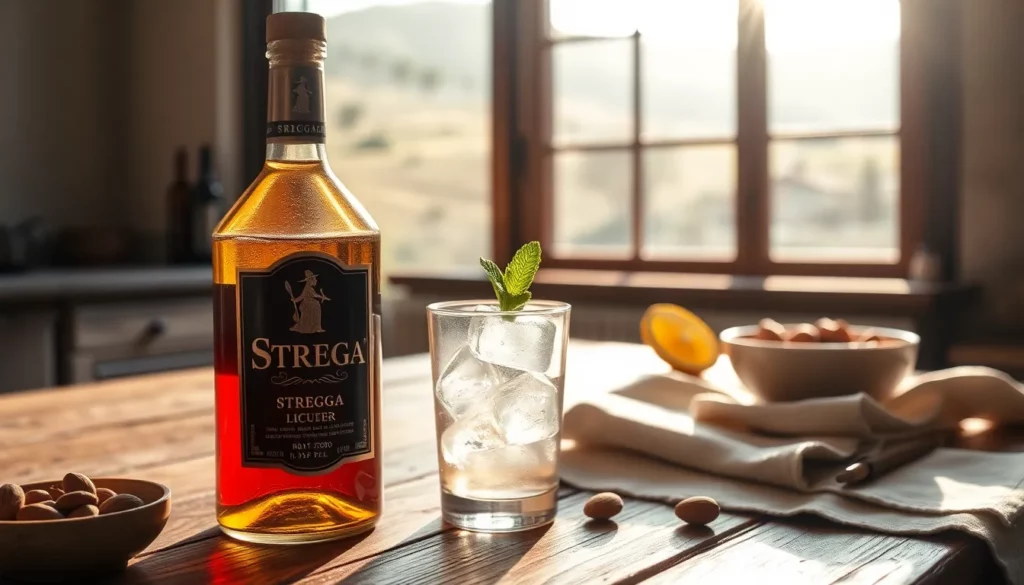
Strega is a celebrated Italian herbal liqueur produced exclusively in Benevento, Campania, since 1860 by the Strega Alberti company. Its name, meaning “witch” in Italian, pays homage to the local legend of the witches of Benevento who gathered under a walnut tree. The liqueur is made from a closely guarded recipe that blends over 70 herbs and spices, including mint, fennel, juniper, and saffron, which imparts its characteristic golden-yellow hue. The production involves macerating the botanicals in neutral alcohol, then distilling and aging the mixture in oak barrels for at least six months. While Strega does not hold a DOP or PGI certification, it is recognized as a prodotto tipico (typical product) of the Benevento region and is protected by trademark. Its complex, sweet, and slightly bitter profile makes it a versatile ingredient in both cocktails and cuisine.
Types & Grades
Strega is primarily available in two main expressions, distinguished by aging and alcohol content. The table below summarizes the key differences.
| Type | Aging | Alcohol Content | Characteristics |
|---|---|---|---|
| Strega Original | Minimum 6 months in oak | 40% ABV | Bright golden color, balanced sweetness with herbal and citrus notes, smooth finish. |
| Strega Riserva | Minimum 2 years in oak | 42% ABV | Deeper amber hue, more intense herbal complexity, hints of vanilla and spice, longer finish. |
Both types are produced using the same botanical blend, but the extended aging of the Riserva allows for greater integration of flavors. The Original is the most common and widely used in cooking and cocktails, while the Riserva is often enjoyed neat or in premium cocktails.

How It’s Used in Cooking
Strega’s aromatic profile lends itself to both sweet and savory applications. In traditional Italian cuisine, it is frequently employed in desserts such as Torta Strega (a moist almond cake infused with the liqueur), Panna Cotta alla Strega, and Zabaglione where it replaces Marsala for a herbal twist. It also appears in fruit salads, sorbets, and as a flavoring for whipped cream. Savory uses include deglazing pans for risotto or adding a splash to cream sauces for poultry or fish. A classic cocktail is the Strega Sour, combining Strega, lemon juice, and simple syrup. The liqueur’s saffron and mint notes make it a natural pairing with citrus, almonds, and vanilla.
“Strega is the soul of Benevento in a bottle – it brings the warmth of the sun and the mystery of the witches to every dish.” – Traditional saying from Campania
How to Choose/Identify Authentic STREGA
To ensure you are purchasing genuine Strega, look for the following cues:
- Label: The front label features a stylized witch flying on a broomstick against a yellow background, with the word “Strega” in bold red letters. The back label should state “Produced by Strega Alberti Benevento S.p.A.”
- Bottle shape: Authentic Strega comes in a distinctive fluted bottle with a long neck and a gold or black cap.
- Alcohol content: Original Strega is always 40% ABV; Riserva is 42% ABV. Any deviation may indicate a counterfeit.
- Color: The liqueur should be a clear, bright golden yellow. Cloudiness or sediment is a sign of poor storage or imitation.
- Seal: Look for a tax stamp or authenticity seal on the bottle neck, especially for bottles sold outside Italy.
- Price: Strega is a premium product; if the price seems too low, it may be a knockoff.
Purchase from reputable Italian importers or well-stocked liquor stores. Online retailers with direct import from Italy are also reliable.
Substitutes
When Strega is unavailable, several Italian herbal liqueurs can serve as substitutes, each with distinct characteristics:
- Galliano L’Autentico: Similar golden color and herbal sweetness, but with stronger vanilla and anise notes. Best used in desserts and cocktails where a milder herbal profile is desired.
- Fernet-Branca: Much more bitter and intense, with a higher alcohol content. Use sparingly in savory dishes or as a digestif; not ideal for sweet recipes.
- Chartreuse (Yellow): French but comparable in complexity and color. Yellow Chartreuse is sweeter and less herbal than Strega; it works well in cocktails and baking.
- Homemade herbal blend: Combine equal parts vodka, honey, and a mix of dried mint, fennel seeds, and saffron. Steep for two weeks, then strain. This approximates Strega’s flavor but lacks the full depth.
For traditional Italian recipes, Galliano is the closest match, while Fernet-Branca can be used in savory applications that require a bitter edge.
Conclusion
Strega is more than a liqueur; it is a piece of Italian cultural heritage. Its intricate blend of herbs and spices, rooted in the folklore of Benevento, offers a unique flavor that enhances both sweet and savory dishes. By understanding its production, grades, and authentic markers, you can confidently incorporate Strega into your culinary repertoire or select a suitable substitute when needed. Whether drizzled over gelato or stirred into a cocktail, Strega brings a touch of Italian magic to the table.
FAQ
What does Strega taste like?
Strega has a complex, sweet, and slightly bitter flavor profile with prominent notes of mint, fennel, saffron, and citrus. It is smooth and herbal, with a warm finish.
Can I use Strega in cooking?
Yes, Strega is excellent in both sweet and savory dishes. It is commonly used in desserts like Torta Strega and panna cotta, as well as in risottos and cream sauces for poultry or fish.
What is a good substitute for Strega?
Galliano L’Autentico is the closest substitute due to its similar golden color and herbal sweetness. For a more bitter option, Fernet-Branca can be used in savory dishes. Yellow Chartreuse also works in cocktails and baking.

Leave a Reply