
Short Answer
What Is Bibita? Italian Beverage Explained
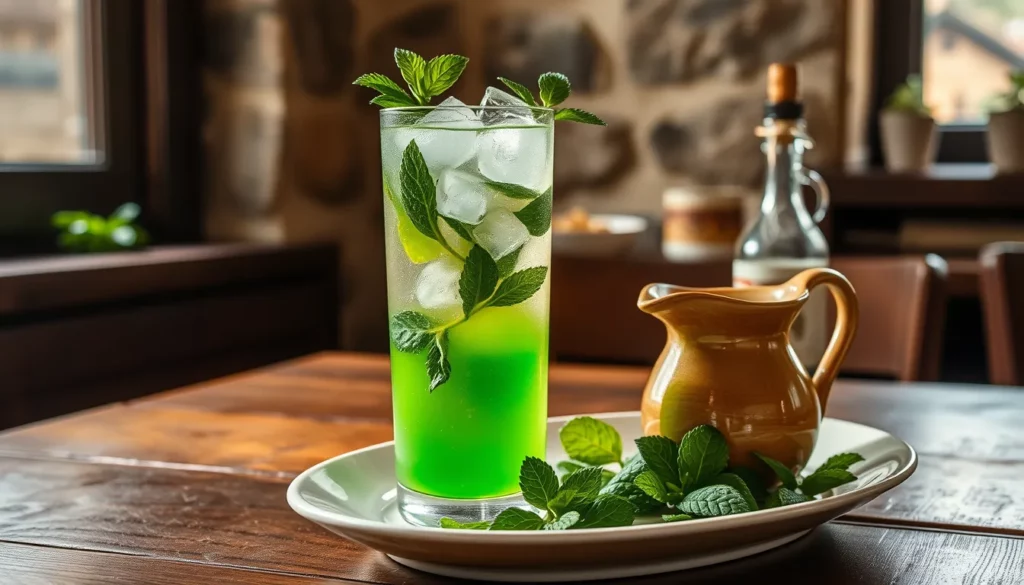
Bibita (pronounced bee-BEE-tah) is the Italian word for any non-alcoholic drink, but in culinary context it specifically denotes traditional Italian soft drinks made from concentrated fruit syrups (sciroppi) diluted with sparkling or still water. Unlike mass-produced sodas, authentic bibita is often homemade or sourced from small artisanal producers, using fresh fruit, herbs, and natural sweeteners. Originating in the northern regions of Italy, particularly Piedmont and Lombardy, bibita became a staple of Italian refreshment culture in the 19th century, with key ingredients including lemon, orange, mint, and wild berries.
Origin & History
The history of bibita is intertwined with Italy’s tradition of sciroppi (syrups), which date back to the Renaissance when apothecaries created medicinal elixirs from fruit and herbs. By the 1800s, these syrups evolved into refreshing drinks for the masses, especially in the industrial cities of northern Italy. The invention of carbonated water in the late 18th century further popularized bibita, as seltzer water became a common mixer. In Turin, the capital of Piedmont, the first commercial bibita factories emerged in the mid-19th century, producing flavors like orzata (almond syrup) and cedrata (citron). Unlike the myth that bibita is a modern soda, its roots are deeply artisanal, with families passing down syrup recipes for generations.
What’s In It
Core ingredients of a classic bibita include a fruit or herb syrup (sciroppo), carbonated or still water, and sometimes ice and a slice of citrus. The syrup is made by simmering fruit juice or infusions with sugar, often with added lemon juice to preserve freshness. Common flavors: limonata (lemon), aranciata (orange), menta (mint), fragola (strawberry), and lampone (raspberry). Preparation is simple: mix one part syrup with four to five parts water. Bibita differs from American-style soda in its lower carbonation, higher fruit content, and lack of artificial additives. It is also distinct from Italian spremuta (fresh-squeezed juice) and granita (frozen slush).
Regional Variations
Bibita varies significantly across Italy, reflecting local fruit harvests and traditions. Below is a comparison of three major regions:
| Region | Signature Bibita | Key Ingredients | Notes |
|---|---|---|---|
| Piedmont | Bibita alla menta (mint) | Fresh mint leaves, sugar, lemon, sparkling water | Often served as a digestive after meals; mint is grown in the region’s hills. |
| Sicily | Bibita al limone (lemon) or alla mandorla (almond) | Sicilian lemons, almonds, sugar, still water | Uses local IGP lemons; almond version is creamy and often served with ice. |
| Campania | Bibita al melone (melon) or al fico d’India (prickly pear) | Summer melons, prickly pear fruit, sugar, sparkling water | Popular in summer; prickly pear gives a vibrant magenta color. |
How It’s Traditionally Eaten
Bibita is not a course in a meal but a refreshment enjoyed throughout the day. It is typically served as a bevanda (drink) at any time: as a mid-morning pick-me-up, an afternoon break, or an aperitif alternative (non-alcoholic). In summer, it is a staple at feste (festivals) and family gatherings. Unlike wine or coffee, bibita is considered a children’s and adults’ drink alike. It is rarely paired with food, though a light bibita like limonata can accompany a simple lunch. Homemade bibita is especially common during la merenda (afternoon snack) for children.
Common Mistakes / What It’s Not
A frequent misconception, especially among American tourists, is that bibita is the same as commercial soda like Coca-Cola or Fanta. In Italy, those are called bevande gassate or soft drink, not bibita. Authentic bibita is made from real fruit syrups, not artificial flavors. Another mistake is confusing bibita with spremuta (fresh-squeezed juice) or centrifuga (cold-pressed juice). Bibita is always diluted and often carbonated. Also, bibita is not a cocktail mixer; while it can be used in mocktails, traditional consumption is straight. Finally, bibita is not a single brand; it is a category of artisanal drinks.
Where to Try It / What to Order
To experience authentic bibita, visit historic gelaterie and caffè in northern Italy, especially in Turin, where you can order a bibita alla menta or orzata. In Sicily, look for chioschi (kiosks) selling bibita al limone made with local lemons. In Rome, try bibita alla fragola at a traditional pasticceria. For ordering, ask for “una bibita analcolica” or specify the flavor. Many artisanal producers like Sciroppo di Meliga or Bibita Artigianale offer bottles in specialty shops. Festivals such as the Sagra del Limone in Sicily are perfect for tasting homemade versions.
Related Dishes
- Spremuta (Fresh-Squeezed Juice)
- Granita (Frozen Dessert)
- Sciroppo (Italian Syrup)
- Aperitivo (Italian Happy Hour)
- Gelato (Italian Ice Cream)
FAQ
What is the difference between bibita and soda?
Bibita is traditionally made from real fruit syrups and often homemade, while soda is mass-produced with artificial flavors and higher carbonation. In Italy, commercial sodas are called 'bevande gassate'.
Is bibita always carbonated?
No, bibita can be served with still water (acqua naturale) or sparkling water (acqua frizzante). The choice depends on personal preference and regional tradition.
Can I make bibita at home?
Yes, homemade bibita is common. Simply prepare a fruit syrup by simmering fruit, sugar, and lemon juice, then dilute with water to taste. Many Italian families have their own recipes.
What is the most popular bibita flavor in Italy?
Limonata (lemon) is the most widespread, but regional favorites like mint in Piedmont and almond in Sicily are also very popular.
Is bibita served as an aperitivo?
While not traditional, some non-alcoholic bibita can be served as a mocktail during aperitivo hour, but classic aperitivo drinks are usually alcoholic (e.g., Aperol Spritz).
Leave a Reply