
Short Answer
What Is Caprese Insalata? Italian Salad Explained
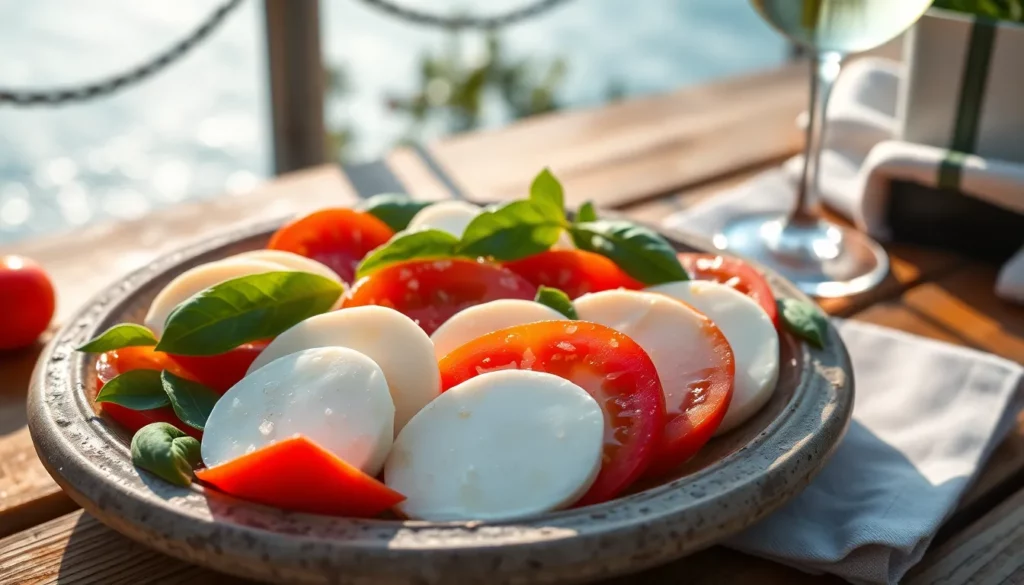
Caprese Insalata (Italian: Insalata Caprese) is a simple, no-cook salad originating from the island of Capri, in the Campania region of southern Italy. It is traditionally composed of sliced fresh buffalo mozzarella (mozzarella di bufala campana), ripe tomatoes, fresh basil leaves, extra-virgin olive oil, salt, and sometimes black pepper. The salad is a celebration of the colors of the Italian flag: red (tomato), white (mozzarella), and green (basil). Despite its apparent simplicity, the quality of each ingredient is paramount; the dish relies entirely on the freshness and provenance of its components. Caprese is typically served as an antipasto (starter) or a light contorno (side dish), never as a main course. It is not a cooked dish, nor does it include vinegar, lettuce, or other common salad greens.
Origin & History
The exact origins of Caprese Insalata are shrouded in culinary legend, but most historians agree that the salad emerged in the early to mid-20th century on the island of Capri. One popular story attributes its creation to a patriotic mason who, in the 1920s or 1930s, assembled the ingredients to represent the Italian tricolore during a visit by King Vittorio Emanuele III. Another account credits the salad to a local hotel or restaurant chef who sought to showcase the island’s finest local products: buffalo mozzarella from the nearby plains of Paestum, sun-ripened tomatoes from the volcanic soil of Vesuvius, and fragrant basil from local gardens. The first documented mention of “Insalata Caprese” appears in Italian cookbooks from the 1950s, though the dish likely existed in oral tradition for decades before. Unlike many Italian dishes that evolved from peasant cucina povera, Caprese was born as a modern, elegant antipasto, reflecting the mid-century fascination with simplicity and fresh ingredients. It gained international fame in the 1960s and 1970s as Italian cuisine became popular abroad, and today it is a staple of Italian restaurants worldwide.
What’s In It
The core ingredients of Caprese Insalata are few, but each must be of the highest quality:

- Tomatoes: Preferably San Marzano or other sweet, low-acid varieties, sliced thickly. They should be ripe but firm, at room temperature.
- Mozzarella: Authentic recipes call for mozzarella di bufala campana (water buffalo milk mozzarella) or fior di latte (cow’s milk mozzarella). The cheese should be fresh, creamy, and sliced to match the tomato slices.
- Basil: Fresh Genovese basil leaves, torn or whole, never dried.
- Extra-virgin olive oil: A fruity, high-quality oil, preferably from Campania or Tuscany.
- Salt: Coarse sea salt or flaky salt, added just before serving.
- Pepper: Freshly ground black pepper (optional but traditional).
Preparation is minimal: alternate slices of tomato and mozzarella on a plate, tuck basil leaves between them, drizzle with olive oil, and season. The salad is never tossed; it is arranged. Some modern versions add a drizzle of balsamic vinegar, but purists consider this a deviation. Caprese should not be confused with Insalata di Riso (rice salad) or Panzanella (bread salad), which are entirely different dishes.
Regional Variations
While the classic Caprese is a Campanian icon, other Italian regions have adapted the concept:
| Region | Variation | Key Differences |
|---|---|---|
| Campania (Naples/Capri) | Classic Caprese | Buffalo mozzarella, San Marzano tomatoes, basil, olive oil, salt. No vinegar. |
| Lazio (Rome) | Caprese Romana | Often uses mozzarella di bufala or fior di latte, but may include a drizzle of balsamic vinegar or a sprinkle of oregano. Sometimes served with arugula. |
| Sicily | Caprese Siciliana | Uses local cherry tomatoes (Pachino), primosale cheese (a fresh sheep’s milk cheese), and adds capers or olives. Often dressed with lemon juice instead of vinegar. |
| Puglia | Caprese Pugliese | Features burrata (cream-filled mozzarella) instead of standard mozzarella, and sometimes includes caciocavallo shavings. Tomatoes are often roasted or sun-dried. |
These variations reflect local cheese traditions and available produce, but the spirit of simplicity remains.
How It’s Traditionally Eaten
Caprese Insalata is almost always served as an antipasto (starter) or a contorno (side dish) alongside grilled meats or fish. It is never a primo (pasta or rice course) or a secondo (main protein). In Italy, it is typically eaten at room temperature, not chilled, to allow the flavors to fully express. The salad is often paired with a light, crisp white wine such as a Vermentino or a Falanghina from Campania. It is a common feature of summer lunches, picnics, and festive buffets, but it is also served in upscale restaurants as a refined starter. On the island of Capri, it is a must-try dish, often enjoyed with a view of the Mediterranean. The salad is not associated with any particular holiday, but its tricolore colors make it a popular choice for Italian national celebrations like the Festa della Repubblica (June 2).
Common Mistakes / What It’s Not
Many non-Italian interpretations of Caprese Insalata introduce elements that purists consider errors:
- Adding balsamic vinegar: While common abroad, traditional Caprese does not include vinegar. The acidity of the tomatoes and the fruitiness of the olive oil are sufficient.
- Using shredded mozzarella or pre-sliced cheese: Fresh mozzarella should be sliced thickly, not shredded. Pre-packaged mozzarella often lacks the creamy texture.
- Including lettuce or other greens: Caprese is not a mixed green salad. It is a composed salad of just tomato, mozzarella, and basil.
- Chilling the ingredients: Cold temperatures mute flavors. Tomatoes and mozzarella should be served at room temperature.
- Overdressing: A light drizzle of olive oil is enough; the salad should not swim in oil.
- Using dried basil: Only fresh basil leaves are acceptable.
Caprese is not a pasta dish, nor is it a cooked dish. It is not a “Caprese sandwich” (that is a panino caprese, a different item). It is also not a “Caprese salad” with chicken or other proteins added—those are modern fusion creations.
Where to Try It / What to Order
For the most authentic experience, visit the island of Capri itself. Restaurants like Da Paolino (famous for its lemon-tree garden) or Ristorante Pizzeria Villa Verde serve classic Caprese with local buffalo mozzarella. In Naples, try Trattoria da Nennella or Pizzeria Starita for a rustic version. In Rome, Armando al Pantheon offers a refined Caprese Romana. For travelers, ordering “Insalata Caprese” on any Italian menu will yield the classic version; avoid asking for modifications. Look for the DOP (Protected Designation of Origin) label on mozzarella to ensure authenticity. The best time to enjoy Caprese is from June to September when tomatoes are at their peak.
Related Dishes
FAQ
What is the difference between Caprese and a regular salad?
Caprese is a composed salad of only tomato, mozzarella, basil, olive oil, and salt. It does not include lettuce, other greens, or vinegar. It is served as an antipasto or contorno, not as a main course.
Can I use balsamic vinegar on Caprese?
Traditional Caprese does not include balsamic vinegar. Purists consider it a deviation, though some modern versions add a drizzle. For authenticity, stick to olive oil, salt, and pepper.
What type of mozzarella is best for Caprese?
The best is fresh mozzarella di bufala campana DOP (water buffalo milk). Fior di latte (cow’s milk) is a common substitute but less creamy. Avoid pre-shredded or low-moisture mozzarella.
Is Caprese served cold or at room temperature?
It should be served at room temperature. Chilling dulls the flavors of the tomatoes and mozzarella. Let ingredients sit out for 30 minutes before assembling.
What wine pairs well with Caprese Insalata?
A light, crisp white wine such as Vermentino, Falanghina, or a dry Pinot Grigio complements the creamy mozzarella and fresh tomatoes.


Leave a Reply