
Short Answer
What Is Ceneri? Italian Pasta Explained
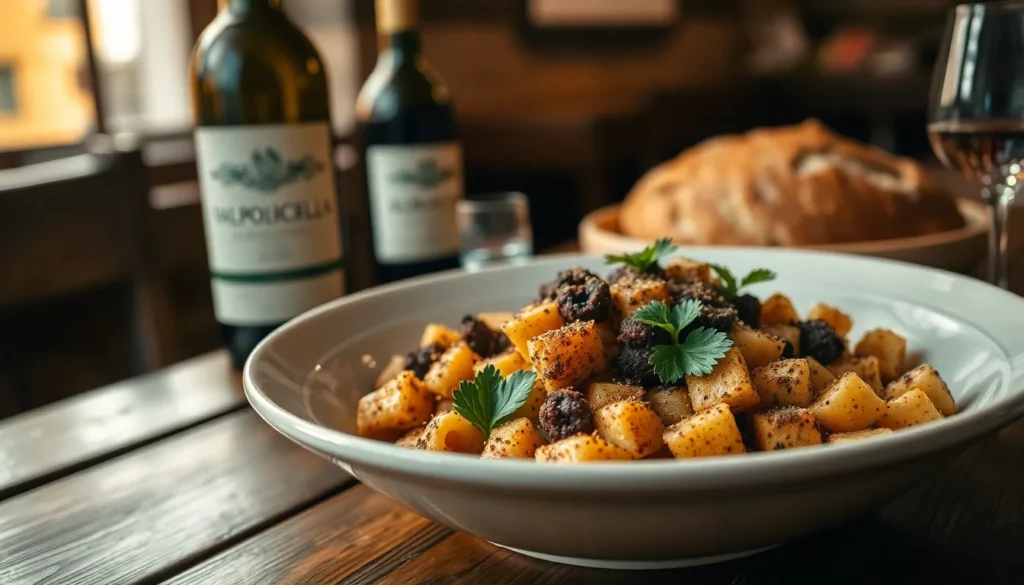
Ceneri (pronounced CHEH-neh-ree) is a traditional pasta dish from the Veneto region of northeastern Italy, particularly associated with the province of Treviso. The name translates to “ashes” in English, referring to the dish’s signature topping: finely ground breadcrumbs toasted in olive oil and garlic until dark and crumbly, resembling volcanic ash. Unlike many Italian pasta dishes that rely on tomato or cream sauces, Ceneri is a prime example of cucina povera (poor kitchen), where leftover bread was repurposed to create a flavorful, thrifty meal. The pasta itself is typically fresh eggless pasta made from flour and water, often cut into short shapes like maltagliati or trenette. The dish is finished with a generous dusting of the “ash” breadcrumbs, sometimes enriched with anchovies or parsley.
Origin & History
The origins of Ceneri lie in the rural Veneto, a region known for its agricultural abundance and resourceful cooking. The dish likely emerged in the 19th century, though its roots may be older, tied to the practice of using stale bread to avoid waste. The name “Ceneri” is a poetic reference to the appearance of the breadcrumb topping, which after being toasted in a pan with garlic and olive oil, takes on a dark, ashy color. Historical records are sparse, but oral tradition places Ceneri as a staple among farmers and laborers in the Treviso area. Unlike the more famous Venetian dishes like risi e bisi or sarde in saor, Ceneri remained a humble home dish, rarely appearing in restaurant menus until recent revivals. Anecdotes tell of cooks using the same pan to toast breadcrumbs after frying fish, infusing them with subtle seafood flavor. The dish embodies the Italian ethos of non si butta via niente (nothing is thrown away).
What’s In It
The core ingredients of Ceneri are minimal: pasta (fresh eggless pasta made from farina 00 and water), breadcrumbs (preferably from stale rustic bread), extra virgin olive oil, garlic, and salt. Some variations include anchovies (dissolved in the oil for umami), parsley, black pepper, and chili flakes. The preparation is straightforward: the pasta is boiled al dente, while in a separate pan, breadcrumbs are toasted in olive oil with crushed garlic until golden-brown to dark brown (but not burnt). The drained pasta is then tossed with the breadcrumb mixture, often with a splash of pasta water to bind. The result is a dry, textured dish where the breadcrumbs cling to the pasta. Ceneri is often confused with pasta con le briciole (pasta with breadcrumbs) from southern Italy, but the Venetian version is distinct in its use of darker, more heavily toasted crumbs and the absence of tomatoes or cheese.
Regional Variations
While Ceneri is primarily a Veneto dish, similar breadcrumb-based pastas exist across Italy. Here is a comparison of three regional takes:
| Region | Dish Name | Key Differences |
|---|---|---|
| Veneto (Treviso) | Ceneri | Dark, heavily toasted breadcrumbs; often with anchovies; no cheese; fresh eggless pasta. |
| Campania (Naples) | Pasta con le briciole | Lighter, golden breadcrumbs; sometimes with raisins and pine nuts; often includes pecorino or parmesan; uses dried pasta like spaghetti. |
| Sicily | Pasta con la mollica | Breadcrumbs toasted with anchovies, garlic, and saffron; often served with sardines; uses bucatini or perciatelli. |
In Veneto, the breadcrumbs are intentionally darkened to resemble ashes, while in other regions they are kept lighter. The use of anchovies is common in coastal areas, but inland Veneto versions may omit them.
How It’s Traditionally Eaten
Ceneri is served as a primo piatto (first course) in a traditional Italian meal. It is typically eaten for lunch or dinner, often as a weekday meal due to its simplicity. The dish is not associated with any particular holiday but is a comfort food during colder months. It pairs well with a light red wine like a Valpolicella or a crisp white such as a Pinot Grigio from the Veneto. Because the dish is dry and textured, it is often accompanied by a side of steamed vegetables or a simple salad. In modern times, some chefs serve Ceneri as a main course with a poached egg on top, but this is a contemporary twist.
Common Mistakes / What It’s Not
One common misconception is that Ceneri is a type of pasta alla carbonara because of the “ash” name, but it contains no eggs, cheese, or guanciale. Another mistake is using pre-packaged breadcrumbs; authentic Ceneri requires coarse, homemade breadcrumbs from stale bread. Some American-Italian adaptations add tomato sauce or cream, which completely alters the dish. Ceneri is not a sauce-based pasta; it is a “dry” pasta where the breadcrumbs act as both sauce and topping. Also, it is not a dish from Rome or Tuscany; it is strictly Venetian. Finally, the breadcrumbs should be toasted to a dark brown, not burnt, to achieve the “ash” effect without bitterness.
Where to Try It / What to Order
To experience authentic Ceneri, visit the province of Treviso in the Veneto region. Look for traditional trattorie or osterie that specialize in local cuisine. In Treviso city, try Osteria al Camin or Trattoria Due Mori. In the countryside, agriturismi often serve homemade versions. When ordering, ask for “Ceneri” and specify if you want it with or without anchovies. The dish is rarely found outside Veneto, but some Italian restaurants in major cities may offer it. For travelers, the annual Festa del Ceneri in the village of San Vendemiano (usually in autumn) celebrates the dish with tastings and cooking demonstrations.
Related Dishes
FAQ
What does Ceneri mean?
Ceneri translates to 'ashes' in Italian, referring to the dark toasted breadcrumbs that top the pasta.
Is Ceneri a pasta or a sauce?
Ceneri is a pasta dish where the breadcrumb mixture acts as both a sauce and a topping; it is not a sauce alone.
Can I use dried breadcrumbs for Ceneri?
Authentic Ceneri requires coarse, homemade breadcrumbs from stale rustic bread. Pre-packaged dried breadcrumbs are too fine and lack the necessary texture.
Does Ceneri contain cheese?
No, traditional Ceneri does not include cheese. The flavor comes from toasted breadcrumbs, garlic, and olive oil.
Where can I eat authentic Ceneri?
The best place is in the province of Treviso, Veneto, at traditional trattorias or during the Festa del Ceneri in San Vendemiano.

Leave a Reply