
Short Answer
What Is Cibo? Italian Food Explained
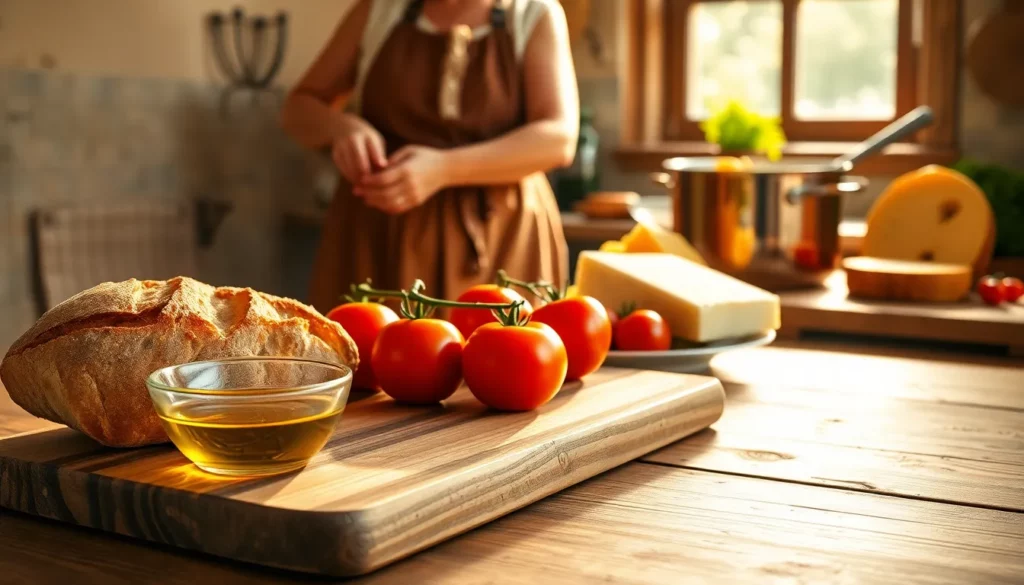
Cibo (pronounced CHEE-boh) is the Italian word for food, but in the context of Italian culture, it embodies a philosophy of simplicity, quality, and conviviality. Unlike the fast‑paced eating habits of many modern societies, Italian cibo is rooted in the use of fresh, seasonal ingredients, minimal processing, and a deep respect for regional traditions. The concept of cibo extends beyond the plate to include the social rituals of shopping at local markets, cooking with family, and sharing meals that can last for hours. Key ingredients such as extra‑virgin olive oil, tomatoes, basil, Parmigiano‑Reggiano, and durum wheat pasta form the backbone of countless dishes, each reflecting the terroir of its origin.
Origin & History
The term cibo derives from the Latin cibus, meaning nourishment. However, the cultural weight of Italian cibo began to take shape during the Roman Empire, when trade routes introduced new ingredients like olive oil and wine. The medieval period saw the rise of regional cuisines as city‑states developed distinct identities. The Renaissance further elevated cooking into an art form, with cookbooks such as Bartolomeo Platina’s De Honesta Voluptate (1475) codifying recipes. The 19th‑century unification of Italy sparked a national culinary identity, yet local traditions remained fiercely protected. Anecdotes abound: the myth that Marco Polo brought pasta from China is largely debunked; evidence of pasta in Italy predates his travels. What is certain is that cibo has always been a mirror of Italy’s geography—mountains, coasts, and fertile plains each shaping what ends up on the table.
What’s In It
Italian cibo is defined by a short list of high‑quality ingredients rather than complex preparations. Core components include:

- Extra‑virgin olive oil – used for dressing, cooking, and finishing.
- Durum wheat pasta – made from semolina, often fresh or dried.
- Tomatoes – San Marzano for sauces, cherry tomatoes for salads.
- Cheeses – Parmigiano‑Reggiano, Pecorino Romano, Mozzarella di Bufala.
- Cured meats – Prosciutto di Parma, Salame, Pancetta.
- Fresh herbs – basil, rosemary, oregano, sage.
- Seafood and meats – depending on region (anchovies in Liguria, beef in Tuscany).
Preparation nuances are critical: pasta must be cooked al dente, sauces are emulsified rather than heavy, and vegetables are often blanched or grilled to preserve texture. This simplicity differentiates Italian cibo from similar cuisines like French or American‑Italian, which tend to use more cream, butter, or sugar.
Regional Variations
Italian cibo varies dramatically from north to south. Below is a comparison of three major regions:
| Region | Signature Dish | Key Ingredients | Characteristic |
|---|---|---|---|
| Lombardy (North) | Risotto alla Milanese | Arborio rice, saffron, beef marrow, butter | Rich, creamy, butter‑based |
| Campania (South) | Pizza Margherita | San Marzano tomatoes, mozzarella, basil, olive oil | Light, fresh, tomato‑forward |
| Sicily (Island) | Pasta alla Norma | Eggplant, ricotta salata, tomatoes, basil | Sweet‑sour, vegetable‑centric |
Other notable variations include the use of pesto in Liguria, polenta in Veneto, and caciocavallo cheese in the south. Each region’s cibo reflects its climate and history—coastal areas favor seafood, while mountainous regions rely on dairy and pork.
How It’s Traditionally Eaten
Italian meals follow a structured sequence: antipasto (appetizer), primo (first course, usually pasta or risotto), secondo (main course of meat or fish), contorno (side dish of vegetables), and dolce (dessert). Cibo is almost always shared, and courses are served sequentially, not all at once. Wine is paired with each course, and bread is used to fare la scarpetta (soak up sauce). Everyday cibo is simple—a bowl of pasta with olive oil and garlic—while holiday meals feature elaborate roasts and multiple courses. The concept of cibo di strada (street food) is also integral, with items like arancini in Sicily or piadina in Romagna eaten on the go.
Common Mistakes / What It’s Not
Many American‑Italian misconceptions arise from adaptations made in the United States. For example:
- Spaghetti with meatballs – In Italy, meatballs (polpette) are served as a secondo, not mixed with pasta.
- Fettuccine Alfredo – This is an American creation; the Italian version is simply pasta with butter and Parmigiano.
- Garlic bread – Bruschetta is rubbed with garlic and drizzled with olive oil, not loaded with butter and garlic powder.
- Chicken Parmesan – Parmigiana is an eggplant dish; chicken is rarely used.
Italian cibo is not heavy, creamy, or oversauced. It respects the integrity of each ingredient. A common error is overcooking pasta or drowning it in sauce; the correct approach is to toss pasta with sauce so that it coats lightly.
Where to Try It / What to Order
To experience authentic Italian cibo, travel to the source. In Naples, order a Margherita pizza at a historic pizzeria like Da Michele. In Bologna, try tagliatelle al ragù at Osteria dell’Orsa. In Rome, seek out cacio e pepe at Roscioli. For street food, visit the Ballarò market in Palermo for arancini and cannoli. When ordering, ask for piatto del giorno (dish of the day) to taste seasonal cibo. Avoid tourist‑trap restaurants with picture menus; instead, look for places filled with locals and a handwritten menù del giorno.
Related Dishes
FAQ
What does 'cibo' mean in Italian?
Cibo is the Italian word for food, encompassing all edible substances, but in culinary context it refers to the traditional, regional dishes of Italy.
Is Italian cibo healthy?
Yes, traditional Italian cibo emphasizes fresh vegetables, lean proteins, whole grains, and healthy fats like olive oil, making it one of the healthiest cuisines in the world when prepared authentically.
What is the most important ingredient in Italian cibo?
Extra-virgin olive oil is arguably the most essential, used for cooking, dressing, and finishing nearly every dish.
How does regional cibo differ in Italy?
Northern regions use more butter, rice, and polenta; central regions favor simple pasta with tomato or meat sauces; southern regions rely on olive oil, tomatoes, and seafood.
Can I find authentic Italian cibo outside Italy?
Yes, but it requires careful selection. Look for restaurants that import Italian ingredients and follow traditional recipes, avoiding Americanized versions.
Leave a Reply