
Short Answer
What Is Cotechino Modena? Italian Sausage Explained
Cotechino Modena is a large, fresh pork sausage originating from the city of Modena in the Emilia-Romagna region of northern Italy. It is made from a mixture of finely ground pork, pork fat, and pork rind, seasoned with salt, pepper, cloves, cinnamon, and sometimes nutmeg or wine. The sausage is stuffed into a natural casing and typically weighs between 500 grams and 1 kilogram. Cotechino Modena has been granted Protected Geographical Indication (IGP) status by the European Union, ensuring that only sausages produced in the designated area of Modena and surrounding provinces can bear the name. It is most famously served with lentils on New Year’s Eve, a tradition believed to bring good luck and wealth for the coming year.
Origin & History
The origins of Cotechino Modena date back to the 16th century, though some food historians trace its roots to the medieval practice of preserving pork through salting and spicing. The name “cotechino” derives from the Italian word cotica, meaning pork rind, which is a key ingredient. The sausage was developed in the Modena area as a way to use every part of the pig, particularly the less tender cuts and skin, which were finely ground and seasoned to create a flavorful, long-lasting product. By the 18th century, Cotechino had become a staple of Emilian peasant cuisine, often served during winter months when fresh meat was scarce. A popular anecdote claims that the sausage was created by a butcher in Modena who wanted to impress a visiting nobleman, but historical records suggest it evolved organically from local charcuterie traditions. The association with lentils emerged in the 19th century, when the round, coin-like legumes were seen as symbols of prosperity. Today, Cotechino Modena is celebrated as a festive dish, particularly during the Christmas and New Year period.
What’s In It
The core ingredients of Cotechino Modena are strictly regulated by the IGP consortium. They include:
- Pork meat (from the shoulder, belly, or leg)
- Pork fat (to ensure moisture and tenderness)
- Pork rind (cotica, which gives the sausage its characteristic texture)
- Salt
- Black pepper
- Spices (typically cloves, cinnamon, and sometimes nutmeg or mace)
- Optional: white wine, garlic, or sugar
The meat and rind are ground to a medium-fine consistency, then mixed with the seasonings and stuffed into a natural casing. Unlike many other Italian sausages, Cotechino is not smoked or dried; it is sold fresh and must be cooked before eating. The cooking process is crucial: the sausage is simmered gently in water or broth for 2–3 hours, often wrapped in cheesecloth to prevent bursting. This slow cooking allows the fat to render and the rind to soften, resulting in a tender, almost creamy texture. Cotechino Modena is often confused with Zampone, a similar sausage stuffed into a pig’s trotter casing, but the two are distinct: Zampone uses the entire trotter, while Cotechino uses a standard casing. Both are traditional in Emilia-Romagna and are frequently served together.
Regional Variations
While Cotechino Modena is a specific IGP product, similar sausages exist across Italy, and the dish is adapted in different regions. The table below compares how Cotechino Modena is interpreted in three major Italian culinary areas:
| Region | Variation | Key Differences |
|---|---|---|
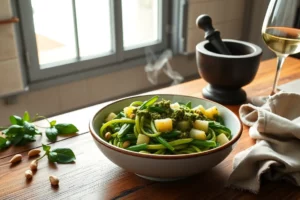
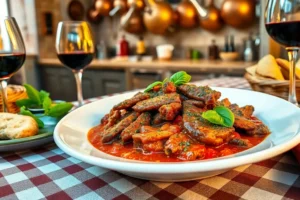
| Naples (Campania) | Cotechino alla Napoletana | Often includes additional garlic and parsley; served with escarole or broccoli rabe instead of lentils. The sausage may be braised in tomato sauce. |
| Rome (Lazio) | Cotechino con Lenticchie | The classic New Year’s pairing is widely adopted, but Roman versions sometimes add pancetta or guanciale to the lentils for extra richness. The sausage is often pricked before cooking to release fat. |
| Sicily | Cotechino alla Siciliana | Less common, but when prepared, it may include fennel seeds or orange zest. It is often grilled rather than boiled, and served with a side of caponata or roasted peppers. |
These variations reflect local tastes and available ingredients, but the authentic Cotechino Modena remains the benchmark for quality and tradition.
How It’s Traditionally Eaten
Cotechino Modena is typically served as a secondo (main course) in a traditional Italian meal, though it can also appear as part of a piatto unico (single dish) when accompanied by lentils and bread. The most iconic pairing is with lenticchie (lentils), especially on New Year’s Eve (Capodanno). The lentils are cooked in a soffritto of onion, carrot, and celery, often with a splash of tomato passata, and simmered until tender. The cooked Cotechino is sliced and placed on top of the lentils, with the cooking broth sometimes spooned over. This dish is believed to bring good luck and financial prosperity because the lentils resemble coins. Cotechino is also enjoyed during the Christmas season, often as part of a bollito misto (mixed boiled meats) alongside other boiled meats like beef tongue, chicken, and zampone. It is typically served with mostarda di Cremona (candied fruit in mustard syrup) or salsa verde (green sauce). While it is a festive dish, Cotechino can be eaten year-round in trattorias and homes in Emilia-Romagna, especially during colder months.
Common Mistakes / What It’s Not
Many American-Italian misconceptions surround Cotechino Modena. Here are clarifications:
- It is not a hot dog or frankfurter. Cotechino is a fresh, coarse-ground sausage with a distinct spice profile, not a finely emulsified, smoked product.
- It is not the same as Zampone. While similar, Zampone is stuffed into a pig’s trotter casing and has a higher proportion of rind. Cotechino uses a standard casing.
- It is not a dry-cured salami. Cotechino is sold fresh and must be cooked; it is not aged or fermented.
- It is not meant to be eaten raw. Unlike some Italian cured meats, Cotechino requires thorough cooking.
- It is not a quick weeknight meal. Proper preparation involves simmering for 2–3 hours, so planning ahead is essential.
To avoid mistakes, always purchase Cotechino Modena with the IGP label, and follow traditional cooking methods: gently simmer, never boil vigorously, and allow the sausage to rest before slicing.
Where to Try It / What to Order
For an authentic experience, visit the city of Modena or the surrounding Emilia-Romagna region. Traditional trattorias such as Trattoria Aldina or Osteria Francescana (the latter a three-Michelin-star restaurant) often feature Cotechino on their menus during winter. In Rome, look for Armando al Pantheon or Da Enzo al 29 for a Roman-style Cotechino con Lenticchie. In Naples, try Trattoria da Nennella for a local interpretation. For travelers, the annual Fiera di San Geminiano in Modena (January) showcases Cotechino alongside other local specialties. When ordering, ask for Cotechino Modena IGP con lenticchie and pair it with a glass of Lambrusco or Pignoletto, the region’s sparkling wines. If cooking at home, source the sausage from Italian specialty shops or online retailers that guarantee IGP certification.
Related Dishes
FAQ
What is the difference between Cotechino Modena and Zampone?
Cotechino Modena is a fresh pork sausage stuffed into a standard natural casing, while Zampone is stuffed into a pig's trotter casing. Both are from Emilia-Romagna and share similar ingredients, but Zampone has a higher proportion of rind and a distinct shape.
How do you cook Cotechino Modena?
Prick the sausage lightly with a fork, wrap it in cheesecloth, and simmer gently in water or broth for 2–3 hours. Do not boil, as this can cause the casing to burst. Let it rest for 10 minutes before slicing.
Why is Cotechino eaten with lentils on New Year's Eve?
The round, coin-like shape of lentils symbolizes wealth and prosperity. Eating Cotechino con Lenticchie at midnight on New Year's Eve is believed to bring good luck and financial success in the coming year.
Can Cotechino Modena be eaten raw?
No, Cotechino Modena is a fresh sausage that must be cooked thoroughly before consumption. It is not cured or smoked like salami.
Where can I buy authentic Cotechino Modena?
Look for the IGP label on the packaging. It is available in Italian specialty shops, online retailers, and directly from producers in the Modena area. Avoid generic imitations.


Leave a Reply