
Short Answer
What Is Farina? Italian Flour Explained
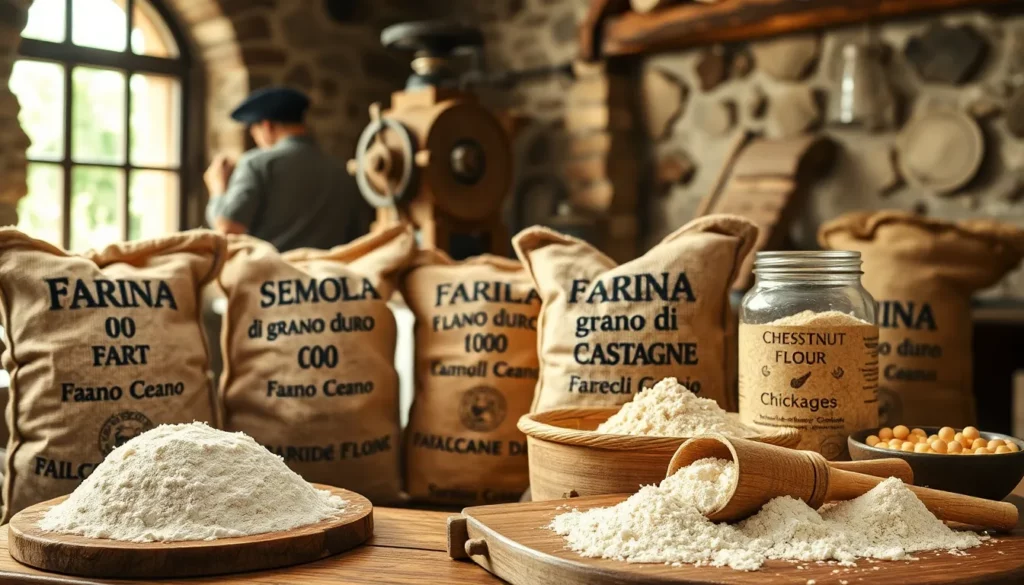
Farina is the Italian word for flour, a fundamental ingredient in Italian cuisine derived from grinding grains, legumes, or nuts. While the term broadly refers to any finely ground powder, in culinary contexts it most commonly denotes wheat flour (farina di grano) used for pasta, bread, and pastries. Italy’s diverse geography and agricultural traditions have given rise to a rich variety of farine, each with unique properties and regional significance. From the soft wheat of the north to the durum wheat of the south, farina is the cornerstone of countless iconic dishes.
Origin & History
The history of farina in Italy dates back to ancient Roman times, when milling techniques evolved from simple stone grinding to more sophisticated water-powered mills. The Romans developed different grades of flour, from the coarse farina to the refined siligo. During the Middle Ages, Italian city-states like Genoa and Venice became centers of grain trade, importing wheat from Sicily and the Black Sea. The Renaissance saw the rise of artisanal milling, with each region specializing in flours suited to its traditional dishes. For example, the soft wheat of Emilia-Romagna became essential for fresh pasta, while the durum wheat of Puglia was ideal for dried pasta. The 20th century brought industrial milling, but artisanal stone-ground farina remains prized for its flavor and texture.
What’s In It
Farina can be made from various grains: wheat (grano), corn (mais), rice (riso), chestnut (castagna), chickpea (cece), and more. The key ingredient is the grain itself, but the milling process and extraction rate determine the type. For wheat flour, the protein content (gluten) is crucial: high-protein flours (like Manitoba) are used for bread, while low-protein flours (like 00) are for pastries. Italian flours are classified by numbers: 00, 0, 1, 2, and integrale (whole wheat). Unlike American all-purpose flour, Italian 00 flour is very finely ground and low in protein, ideal for delicate pasta and pizza. Durum wheat semolina (semola di grano duro) is coarser and used for dried pasta. Other farine include farina di mais for polenta, farina di castagne for sweet porridge, and farina di ceci for farinata.

Regional Variations
Italy’s regional flours reflect local agriculture and culinary traditions. Below is a comparison of key farine across three major regions:
| Region | Type of Farina | Primary Use | Characteristics |
|---|---|---|---|
| Emilia-Romagna | Farina 00 (soft wheat) | Fresh pasta (tortellini, lasagna) | Very fine, low protein (8-9%), silky texture |
| Campania | Farina di grano duro (durum wheat semolina) | Dried pasta (spaghetti, maccheroni) | Coarse, high protein (12-14%), golden color |
| Sicily | Farina di grano duro rimacinata (re-milled semolina) | Pasta alla Norma, couscous | Very fine durum flour, high gluten strength |
| Liguria | Farina di ceci (chickpea flour) | Farinata (chickpea pancake) | Gluten-free, nutty flavor, high protein |
| Tuscany | Farina di castagne (chestnut flour) | Polenta dolce, castagnaccio | Sweet, earthy, gluten-free, used in desserts |
How It’s Traditionally Eaten
Farina is not eaten alone but is the base for many dishes. In Italian meals, flour-based dishes appear in every course: antipasti (farinata), primi (pasta, polenta, gnocchi), secondi (breaded meats), and dolci (cakes, cookies). The type of farina determines the dish: soft wheat for fresh pasta, durum for dried pasta, corn for polenta, chestnut for sweet porridge. Farina is also used as a thickener in soups and sauces. Traditionally, farina is stored in a cool, dry place and used within months for best flavor. In many households, farina is still ground fresh at local mills.
Common Mistakes / What It’s Not
One common misconception is that Italian 00 flour is the same as American all-purpose flour. In fact, 00 flour is finer and has lower protein, making it unsuitable for bread but perfect for pasta and pizza. Another mistake is assuming all Italian flours are gluten-rich; farina di castagne and farina di ceci are gluten-free. Also, farina is not a dish itself but an ingredient; dishes like “farina dolce” are specific preparations. Travelers often confuse farina with semolina; semolina is a coarse grind of durum wheat, while farina can be any grain. Finally, farina is not a brand but a generic term; in the US, “Farina” is a brand of hot cereal, but in Italy, it simply means flour.
Where to Try It / What to Order
To experience authentic Italian farina, visit local mills (mulini) in regions like Emilia-Romagna (Mulino Sobrino), Tuscany (Mulino della Val d’Orcia), or Sicily (Antico Mulino). In restaurants, order dishes that highlight specific flours: in Liguria, try farinata; in Tuscany, castagnaccio; in Campania, pasta di Gragnano made from local durum wheat. For a hands-on experience, take a cooking class that includes milling or pasta-making. When shopping, look for “farina di grano duro” for pasta and “farina 00” for fresh pasta. Avoid pre-packaged blends; seek single-origin flours for authenticity.
Related Dishes
FAQ
What is the difference between farina and semolina?
Farina is a general Italian term for flour, while semolina (semola) specifically refers to a coarse grind of durum wheat used for pasta.
Can I substitute American all-purpose flour for Italian 00 flour?
Not directly, because 00 flour has lower protein (8-9%) than all-purpose (10-12%). For pasta and pizza, 00 is better; for bread, use bread flour or a blend.
Is farina gluten-free?
Only if made from gluten-free grains like chestnut, chickpea, or rice. Wheat-based farina contains gluten.
What is the best flour for making fresh pasta?
Italian 00 flour (soft wheat) is traditional for fresh pasta, giving a silky texture. Some recipes blend 00 with semolina for added bite.
Where can I buy authentic Italian farina?
Look for imported brands at specialty stores or online. For the freshest quality, order directly from Italian mills like Mulino Sobrino or Antico Mulino.

Leave a Reply