
Short Answer
What Is Pastinaca? Italian Root Vegetable Explained
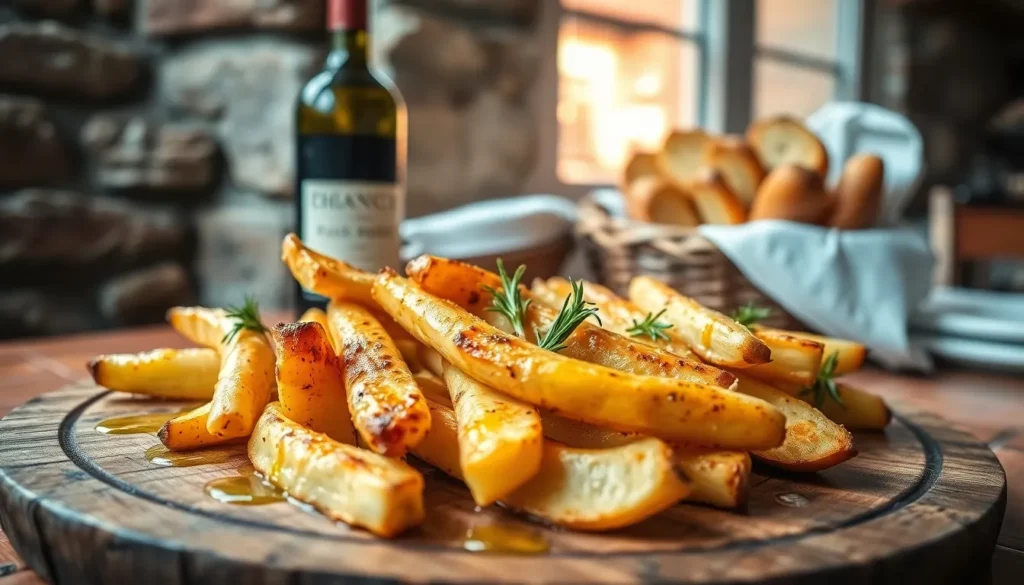
Pastinaca is the Italian name for the parsnip (Pastinaca sativa), a root vegetable belonging to the Apiaceae family, which also includes carrots, parsley, and celery. In Italian cuisine, pastinaca is prized for its sweet, nutty flavor and creamy texture when cooked. It is native to Eurasia and has been cultivated in Italy since antiquity, particularly in the northern and central regions. Key ingredients for preparing pastinaca include the root itself, olive oil, salt, pepper, and often herbs like rosemary or sage. It is typically roasted, boiled, or used in soups and stews.
Origin & History
The parsnip has a long history in Italy, dating back to the Roman Empire. Roman naturalist Pliny the Elder described pastinaca in his Natural History, noting its use as a sweetener before sugar became widely available. The vegetable was a staple in medieval Italian gardens and appears in Renaissance cookbooks such as Bartolomeo Scappi’s Opera (1570). Unlike the carrot, which was originally purple or white, the parsnip remained pale and was often confused with its relative. In the 18th century, the potato began to replace the parsnip in many European diets, but Italy retained a fondness for pastinaca, especially in rustic dishes from Tuscany, Emilia-Romagna, and Lombardy. A unique anecdote: in some Italian dialects, pastinaca is called pastinaca or carota bianca (white carrot), reflecting its historical role as a sweet root.
What’s In It
Pastinaca is a simple ingredient, but its preparation varies. The core ingredient is the parsnip root, which should be firm, creamy-white, and free of blemishes. Before cooking, it is peeled and cut into sticks, chunks, or slices. Common seasonings include extra-virgin olive oil, salt, black pepper, and fresh herbs like thyme, rosemary, or bay leaves. Some recipes add a touch of honey or balsamic vinegar to enhance its natural sweetness. Pastinaca is often roasted alongside other root vegetables (carrots, potatoes, onions) or simmered in broths for minestrone. It is important to differentiate pastinaca from the similar-looking carota (carrot): parsnips are sweeter and starchier, with a distinct earthy aroma. Unlike the Italian rapa (turnip), pastinaca has a milder, less peppery flavor.

Regional Variations
Pastinaca is used differently across Italy, reflecting local traditions and available ingredients. Below is a comparison of three major regions:
| Region | Typical Preparation | Dish Example |
|---|---|---|
| Tuscany | Roasted with olive oil, garlic, and rosemary; often served as a contorno (side dish) with roasted meats. | Pastinaca arrosto – roasted parsnip wedges |
| Emilia-Romagna | Used in tortellini fillings or pureed into a creamy soup with Parmigiano-Reggiano. | Crema di pastinaca – parsnip cream soup |
| Campania | Added to minestrone or zuppa di verdure; sometimes pickled with vinegar and herbs. | Minestrone con pastinaca – vegetable soup with parsnip |
In Sicily, pastinaca is less common but appears in some traditional caponata variations as a sweet-sour element. Northern regions like Piedmont often pair it with fonduta (melted cheese) or use it in bagna càuda.
How It’s Traditionally Eaten
In Italian cuisine, pastinaca is most often served as a contorno (side dish) accompanying roasted or grilled meats, especially pork, chicken, or game. It can also be a component of minestrone or zuppa di verdure, where it adds sweetness and body. In some regions, it is mashed or pureed as a purè di pastinaca, similar to mashed potatoes but with a distinct flavor. Pastinaca is rarely eaten raw due to its tough texture and strong flavor; it is always cooked. It is considered an everyday vegetable, not reserved for holidays, though it may appear in festive winter roasts. When served as a primo (first course), it is typically in soup form. Pairings include full-bodied red wines like Chianti or Sangiovese, or a crisp white like Verdicchio.
Common Mistakes / What It’s Not
Many American-Italian misconceptions arise from confusing pastinaca with carrots or turnips. Pastinaca is not a carrot – it is paler, sweeter, and starchier. It is also not a turnip (rapa), which has a sharper, peppery taste. Another mistake is assuming pastinaca is only a winter vegetable; while it is at its best after frost, it is available year-round in Italy. Some recipes call for boiling pastinaca until mushy, but traditional Italian cooking prefers a tender but firm texture, achieved by roasting or gentle simmering. Avoid overcooking, as it can become waterlogged and lose its sweetness. Finally, pastinaca is not a common ingredient in Italian-American cuisine; it is more authentic to northern and central Italian traditions.
Where to Try It / What to Order
To experience authentic pastinaca, visit traditional trattorie and osterie in Tuscany, Emilia-Romagna, or Lombardy. In Florence, look for pastinaca arrosto as a contorno at restaurants like Trattoria Mario or Osteria del Cinghiale Bianco. In Bologna, order crema di pastinaca at Osteria dell’Orsa. For a rustic version, try minestrone con pastinaca in a Roman trattoria such as Armando al Pantheon. Travelers can also find pastinaca at farmers’ markets (e.g., Mercato Centrale in Florence) and during autumn festivals like Sagra della Pastinaca in some small towns. When ordering, ask for contorno di pastinaca or zuppa di pastinaca.
Related Dishes
- Carota (Italian Carrot)
- Rapa (Italian Turnip)
- Sedano Rapa (Celeriac)
- Minestrone
- Contorno (Italian Side Dishes)
FAQ
What is pastinaca in Italian cooking?
Pastinaca is the Italian parsnip, a sweet root vegetable used in soups, roasts, and side dishes, especially in northern and central Italy.
How is pastinaca different from a carrot?
Pastinaca is paler, sweeter, and starchier than a carrot. It has a distinct earthy flavor and is typically cooked, not eaten raw.
Can I substitute pastinaca with carrots in Italian recipes?
While possible, it will change the flavor profile. Carrots are less sweet and more watery. For authenticity, use parsnips or a mix of both.
Is pastinaca common in Italian-American cuisine?
No, pastinaca is rare in Italian-American cooking. It is more traditional to regional Italian cuisines, particularly in Tuscany and Emilia-Romagna.
What wine pairs well with pastinaca dishes?
Full-bodied reds like Chianti or Sangiovese complement roasted pastinaca, while a crisp white like Verdicchio works with creamy soups.
Leave a Reply