
Short Answer
What Is Totano? Italian Seafood Dish Explained
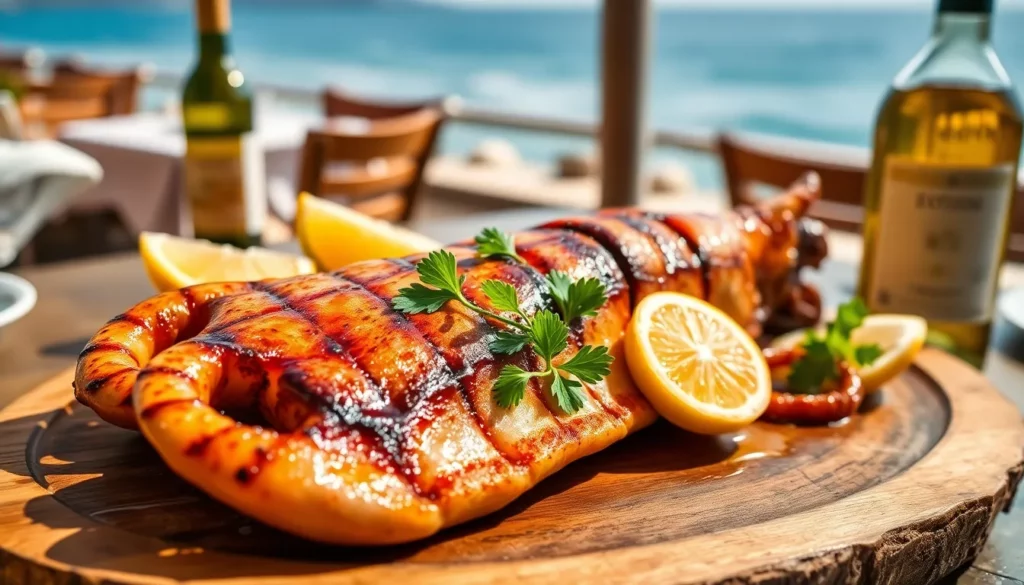
Totano is a traditional Italian seafood dish centered on the European flying squid (Todarodes sagittatus), known in Italian as totano. This cephalopod is prized for its firm, meaty flesh and mild, slightly sweet flavor. It is most commonly grilled, fried, or stewed in coastal regions such as Sicily, Campania, and Puglia. Key ingredients include fresh totano, extra virgin olive oil, garlic, lemon, and fresh herbs like parsley or oregano. Unlike the more widely known calamari, totano has a thicker body and larger fins, offering a distinct texture that holds up well to robust seasonings.
Origin & History
Totano has been part of Mediterranean cuisine for centuries, with evidence of squid consumption dating back to ancient Roman times. The term totano derives from the Latin tōtānus, referring to a type of squid. In Italy, totano fishing is particularly prominent in the Adriatic and Tyrrhenian seas, where the squid migrate in large schools. Historically, it was a staple for coastal communities, often preserved by drying or salting to ensure a year-round supply. A unique cultural anecdote: in Sicily, totano is traditionally caught during the summer months and grilled over hot coals during festivals like the Feast of San Giovanni, where it is served as a celebratory street food. The dish also appears in Neapolitan cuisine, where it was a favorite of the working class due to its affordability and abundance.
What’s In It
Core ingredients for a classic totano dish include fresh totano (cleaned), extra virgin olive oil, garlic, lemon juice, salt, black pepper, and fresh parsley. Some regional variations incorporate breadcrumbs, capers, olives, cherry tomatoes, or chili flakes. Preparation involves cleaning the squid by removing the quill, innards, and beak, then scoring the flesh in a crosshatch pattern to ensure tenderness and even cooking. Totano differs from calamari (Loligo vulgaris) in that it is larger, meatier, and has thicker fins; it often requires longer cooking times—whether grilling, frying, or braising. It is not typically battered and fried like calamari; instead, it is often simply grilled with olive oil and lemon, or stewed in a tomato-based sauce. The ink sac is sometimes reserved for pasta sauces, adding a briny depth.
Regional Variations
Totano is prepared differently across Italy, reflecting local tastes and traditions. Below is a comparison of three major regions:
| Region | Preparation | Typical Serving |
|---|---|---|
| Sicily | Grilled (totano alla griglia) with lemon, oregano, and olive oil; often marinated beforehand. | As an antipasto or secondo, accompanied by a salad or grilled vegetables. |
| Campania (Naples) | Fried (totano fritto) in a light flour or semolina batter, sometimes with a squeeze of lemon. | As a street food or starter, served with lemon wedges and aioli. |
| Puglia | Stewed (totano in umido) with tomatoes, capers, olives, and white wine. | As a main course with crusty bread to soak up the sauce. |
Other notable variations include totano ripieno (stuffed with breadcrumbs, garlic, and herbs) in Liguria, and totano alla brace (charcoal-grilled) in Calabria, often served with a side of roasted peppers.
How It’s Traditionally Eaten
Totano is typically served as a secondo (main course) or antipasto (starter) in Italian meals. It is rarely eaten as a primo (pasta course), though it can be incorporated into pasta dishes like spaghetti con totano or risotto al totano. The dish pairs well with crisp white wines such as Vermentino, Falanghina, or a Sicilian Grillo. Totano is enjoyed both as an everyday family meal in coastal areas and as a festive dish during summer seafood festivals, such as the Sagra del Totano in Calabria. It is not typically reserved for holidays but is a common feature of feste di pesce (fish festivals) and Sunday lunches.
Common Mistakes / What It’s Not
A frequent misconception, especially in Italian-American contexts, is that totano is the same as calamari. While both are squid, totano is a different species with a stronger flavor and chewier texture. Another common mistake is overcooking, which makes the flesh rubbery; totano benefits from either very quick high-heat cooking (grilling or frying) or long, slow braising. In Italian-American cuisine, totano is often confused with calamari and served exclusively fried, but traditional Italian preparations emphasize simplicity—grilling with olive oil and herbs, or stewing with tomatoes. Totano is not a pasta dish per se, though it can accompany pasta. It is also not typically served with heavy cream sauces; the focus is on the natural flavor of the squid.
Where to Try It / What to Order
For an authentic totano experience, visit coastal regions of Italy. In Sicily, head to a trattoria in Catania or Palermo and order totano alla griglia—ask for it fresco (fresh) and specify ben cotto ma tenero (well-cooked but tender). In Naples, look for totano fritto at a friggitoria (fried food shop) or a seafood restaurant in the Santa Lucia district. In Puglia, order totano in umido at a restaurant in Bari or Lecce, and pair it with a local Primitivo or Negroamaro. For a festival experience, visit the Sagra del Totano in the town of Pizzo Calabro in August, where totano is grilled over open flames and served with lemon and bread. When ordering, ask if the totano is pescato localmente (locally caught) to ensure freshness and sustainability.
Related Dishes
FAQ
What is the difference between totano and calamari?
Totano refers to the European flying squid (Todarodes sagittatus), which is larger and meatier than calamari (Loligo vulgaris). Totano has thicker fins and a firmer texture, while calamari is smaller and more tender. In Italian cuisine, totano is often grilled or stewed, whereas calamari is frequently fried.
How do you cook totano to avoid rubberiness?
To prevent rubbery texture, cook totano either very quickly over high heat (grilling or frying for 2-3 minutes) or slowly braise it for 30-45 minutes. Avoid medium cooking times, which toughen the flesh. Scoring the squid before cooking also helps.
Is totano sustainable?
Totano (European flying squid) is generally considered a sustainable seafood choice, as it is fast-growing and abundant in the Mediterranean. However, it is important to check for local fishing practices and certifications. Look for totano caught by jigging or trawling with minimal bycatch.
Can totano be eaten raw?
Yes, totano can be eaten raw in dishes like crudo di totano, similar to sashimi. It should be extremely fresh and properly cleaned. In Italy, it is sometimes served thinly sliced with olive oil, lemon, and sea salt as an antipasto.
What wine pairs with totano?
Totano pairs well with crisp, acidic white wines such as Vermentino, Falanghina, Grillo, or a dry Greco di Tufo. For fried totano, a sparkling wine like Franciacorta or Prosecco works nicely. Red wines are generally not recommended.


Leave a Reply