
Short Answer
What It Is
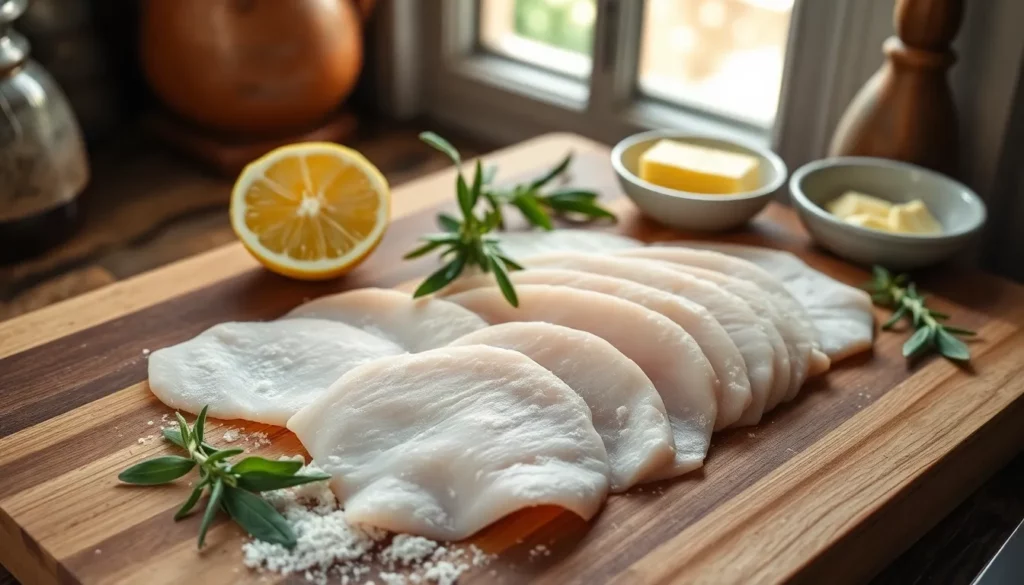
Scaloppina (plural: scaloppine) refers to a thin slice of meat, traditionally veal, that has been pounded to an even thickness of about 3–5 mm. The term derives from the Italian scaloppare, meaning to cut into thin slices, and the technique is central to many quick-sautéed Italian dishes. While scaloppina is not a protected designation (DOP or PGI), the quality of the meat is paramount. The finest scaloppine are made from vitello (veal) sourced from calves raised in northern Italy, particularly in Lombardy, Piedmont, and Tuscany, where the tradition of tender, milk-fed veal is deeply rooted. The meat is typically cut from the leg (noce, fesa, or girello) or the loin, ensuring leanness and tenderness. The pounding process not only tenderizes but also creates a uniform surface for even cooking, allowing the delicate flavor of the veal to shine through in classic preparations.
Types & Grades
Scaloppina is not a single product but a category defined by the meat source and its quality. Below is a breakdown of the most common types and their characteristics.
| Type | Meat Source | Flavor Profile | Best Use | Quality Grade |
|---|---|---|---|---|
| Scaloppina di Vitello | Veal (calf under 8 months) | Mild, delicate, tender | Classic dishes: al limone, alla marsala | Premium (vitello di latte) |
| Scaloppina di Vitellone | Young beef (8–12 months) | Slightly richer, firmer | Hearty sauces, breaded versions | Good (Vitellone Bianco IGP) |
| Scaloppina di Pollo | Chicken breast | Mild, lean | Lighter versions, piccata | Standard |
| Scaloppina di Maiale | Pork loin | Subtle sweetness, juicy | With fruit or wine sauces | Standard |
| Scaloppina di Tacchino | Turkey breast | Lean, neutral | Health-conscious dishes | Standard |
Within veal scaloppina, the highest grade is vitello di latte (milk-fed veal), which comes from calves fed exclusively on milk or milk replacer. This yields exceptionally pale, tender meat. The Italian IGP product Vitellone Bianco dell’Appennino Centrale is also highly regarded for its quality and traceability.
How It’s Used in Cooking
Scaloppina is prized for its quick cooking time and ability to absorb flavors. The classic method involves lightly dredging the pounded meat in flour, then sautéing in butter or olive oil until golden. The pan is then deglazed with wine, lemon juice, or broth to create a simple sauce. Signature dishes include:
- Scaloppina al Limone – finished with lemon juice, butter, and parsley.
- Scaloppina alla Marsala – cooked with sweet Marsala wine and often mushrooms.
- Scaloppina alla Milanese – breaded and fried, similar to a thin veal cutlet.
- Scaloppina ai Funghi – with a creamy mushroom sauce.
In professional kitchens, scaloppina is a staple of secondi piatti (main courses) and is often paired with simple sides like sautéed spinach or roasted potatoes. The technique requires precision: the meat must be pounded evenly to avoid overcooking, and the pan must be hot to achieve a golden crust without steaming.
“La scaloppina è un piatto che richiede rispetto per la materia prima e velocità di esecuzione.” – Gualtiero Marchesi
How to Choose/Identify Authentic Scaloppina
When purchasing scaloppina, whether from a butcher or pre-packaged, look for these authenticity cues:
- Color: Veal scaloppina should be pale pink to ivory, not red or dark. Darker meat indicates older animals or beef.
- Thickness: Authentic scaloppina is pounded to a uniform 3–5 mm. Uneven thickness suggests poor preparation.
- Marbling: Minimal fat is ideal; excess fat or sinew indicates a lower-quality cut.
- Labeling: Look for terms like “vitello di latte” or “vitellone” and, if available, IGP certification (e.g., Vitellone Bianco dell’Appennino Centrale IGP).
- Source: Butcher shops specializing in Italian meats or reputable online suppliers often provide better quality than generic supermarket packs.
- Texture: The meat should feel smooth and slightly tacky, not slimy or dry.
For commercial buyers, building a relationship with a trusted Italian meat importer ensures consistent quality and traceability.
Substitutes
If authentic veal scaloppina is unavailable, several Italian-approved substitutes can be used, each with its own rationale:
- Chicken scaloppina – the most common substitute; chicken breast pounded thin mimics the texture and cooks quickly. Use for lighter versions of classic sauces.
- Pork scaloppina – from the loin; offers a slightly richer flavor that pairs well with Marsala or fruit-based sauces.
- Turkey scaloppina – lean and neutral, ideal for health-conscious preparations or when a mild canvas is needed.
- Veal cutlet (non-pounded) – if you have a thicker veal cutlet, you can pound it yourself to achieve the proper thickness. This is the most authentic substitute.
Note that these substitutes alter the final dish’s flavor and texture, but they remain within the Italian culinary tradition of scaloppine variations.
Conclusion
Scaloppina is more than a cut of meat; it is a cornerstone of Italian home and restaurant cooking, embodying the principles of simplicity, speed, and respect for quality ingredients. Whether you choose classic veal or a modern alternative, understanding the types, grades, and proper preparation techniques will elevate your scaloppina dishes to authentic Italian standards. By selecting the best meat and mastering the quick sauté, you can bring the essence of Italian cuisine to your table.
FAQ
What is the best cut of veal for scaloppina?
The best cuts come from the leg (noce, fesa, or girello) or the loin. These muscles are lean and tender, ideal for pounding thin and quick cooking.
Can I make scaloppina with chicken or pork?
Yes, chicken and pork scaloppine are common variations. Chicken breast or pork loin, pounded thin, work well. However, authentic Italian scaloppina traditionally uses veal.
How do I prevent scaloppina from curling during cooking?
Make small cuts along the edges of the pounded meat before cooking. This relaxes the connective tissue and prevents curling. Also, ensure the pan is hot and use enough fat.


Leave a Reply