
Short Answer
What Is Diavolollo? Italian Pasta Explained
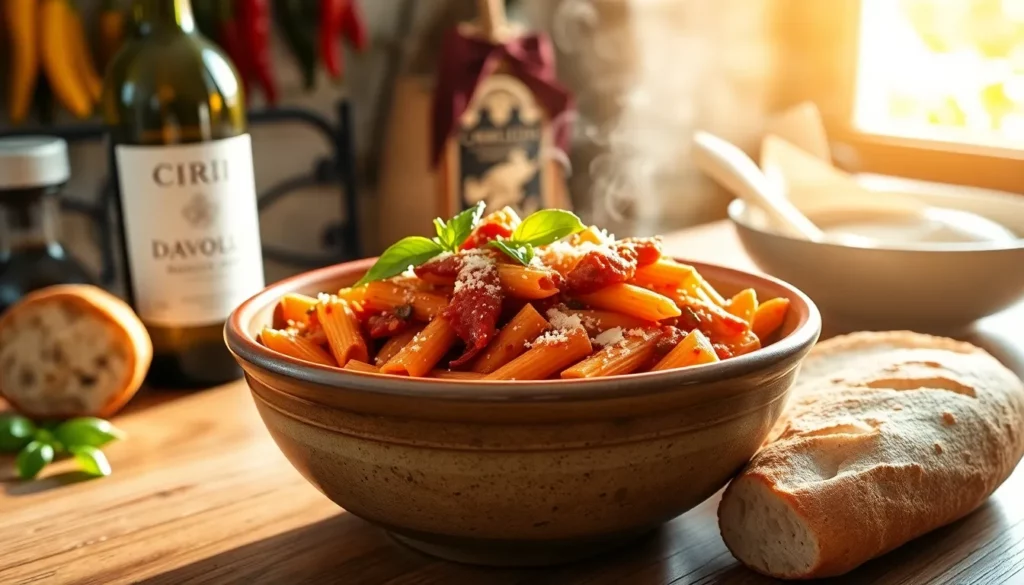
Diavolollo is a traditional Italian pasta dish originating from the southern region of Calabria, known for its intense, spicy flavor profile. The name derives from the Italian word diavolo (devil), referencing the dish’s fiery heat. Key ingredients include short pasta shapes (such as penne or rigatoni), ‘nduja (a spreadable spicy pork sausage), ripe tomatoes, garlic, pecorino cheese, and generous amounts of fresh or dried chili peppers. Unlike generic spicy pasta, Diavolollo relies on the unique smokiness and richness of ‘nduja, which sets it apart from other arrabbiata-style sauces.
Origin & History
Diavolollo emerged in the rugged hills of Calabria, a region with a long tradition of preserving pork and using chili peppers. The dish likely developed in the late 19th or early 20th century, when ‘nduja production became widespread in the town of Spilinga. Local shepherds and farmers would combine leftover ‘nduja with tomatoes and dried chilies to create a hearty, warming sauce. The name Diavolollo appears in early 20th-century cookbooks as a rustic peasant dish, though some food historians argue it was originally a way to mask the strong flavor of aged pork. Unlike the myth that it was invented in a restaurant, Diavolollo remains a home-cooked staple, often prepared during winter months to combat the cold.
What’s In It
The core ingredients of Diavolollo are simple but precise: pasta (preferably short, ridged shapes like penne or mezze maniche), ‘nduja (a soft, spreadable salami made with pork, chili, and spices), tomato passata or crushed tomatoes, extra virgin olive oil, garlic, fresh or dried red chili peppers, pecorino Romano or ricotta salata, and salt. Preparation involves sautéing garlic in olive oil, adding ‘nduja to melt and release its oils, then stirring in tomatoes and chili. The sauce simmers briefly before tossing with al dente pasta and finishing with cheese. The dish is distinct from pasta all’arrabbiata, which uses guanciale or pancetta and lacks ‘nduja, and from pasta alla norma, which is eggplant-based and mild.

Regional Variations
While Diavolollo is quintessentially Calabrian, neighboring regions have adapted it to local tastes:
| Region | Key Variation | Distinctive Ingredients |
|---|---|---|
| Calabria (original) | Classic Diavolollo | ‘Nduja, pecorino, fresh chili, tomato |
| Sicily | Diavolollo alla Siciliana | Adds capers, olives, and sometimes eggplant; uses ricotta salata |
| Campania | Diavolollo di Mare | Replaces ‘nduja with spicy seafood (shrimp, mussels) and cherry tomatoes |
| Lazio | Diavolollo Romano | Uses guanciale and pecorino, with less chili; closer to amatriciana |
These variations reflect the ingredient availability and culinary traditions of each area, but the Calabrian version remains the benchmark.
How It’s Traditionally Eaten
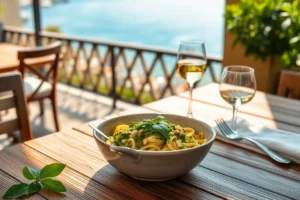
Diavolollo is served as a primo piatto (first course) in a traditional Italian meal, typically followed by a meat or fish secondo. It is a weekday comfort dish, not reserved for holidays, though it appears at winter feasts and festivals celebrating ‘nduja. Pairings include a robust red wine like Gaglioppo or Cirò from Calabria, and a side of grilled vegetables or a simple green salad. The dish is best enjoyed immediately after cooking, as the sauce thickens upon cooling.
Common Mistakes / What It’s Not
Many American-Italian adaptations mistakenly treat Diavolollo as a generic spicy tomato sauce. Authentic Diavolollo is not a marinara with red pepper flakes; it requires ‘nduja for its characteristic smoky, porky depth. It is also not a baked pasta (like lasagna) and should not be overloaded with mozzarella or cream. Another misconception is that it is extremely hot – while spicy, the heat is balanced by the richness of ‘nduja and cheese. Finally, Diavolollo is not a dish from Tuscany or Emilia-Romagna; its roots are firmly in Calabria.
Where to Try It / What to Order
For an authentic experience, visit the town of Spilinga in Calabria, the heart of ‘nduja production. Local trattorias such as Trattoria da Nino or Osteria del Diavolo serve Diavolollo with house-made pasta. In Rome, La Carbonara offers a faithful Calabrian version. Travelers should order “Penne al Diavolollo” and ask for extra pecorino. The annual Sagra del Diavolollo in Spilinga (first weekend of November) features cooking competitions and tastings.
Related Dishes
FAQ
What is Diavolollo?
Diavolollo is a spicy pasta dish from Calabria, Italy, made with 'nduja, tomatoes, chili peppers, and pecorino cheese.
Is Diavolollo very spicy?
It has a noticeable heat, but the richness of 'nduja and cheese balances the spice. The level can be adjusted by the amount of chili used.
Can I make Diavolollo without 'nduja?
Authentic Diavolollo requires 'nduja for its unique flavor. Substituting with other pork products or chili oil will produce a different dish, not true Diavolollo.
What pasta shape is best for Diavolollo?
Short, ridged shapes like penne, rigatoni, or mezze maniche are traditional because they hold the chunky sauce well.
Where can I buy 'nduja?
'Nduja is available at Italian specialty stores, some supermarkets, or online. Look for imported Calabrian brands.
Leave a Reply