
Short Answer
What It Is
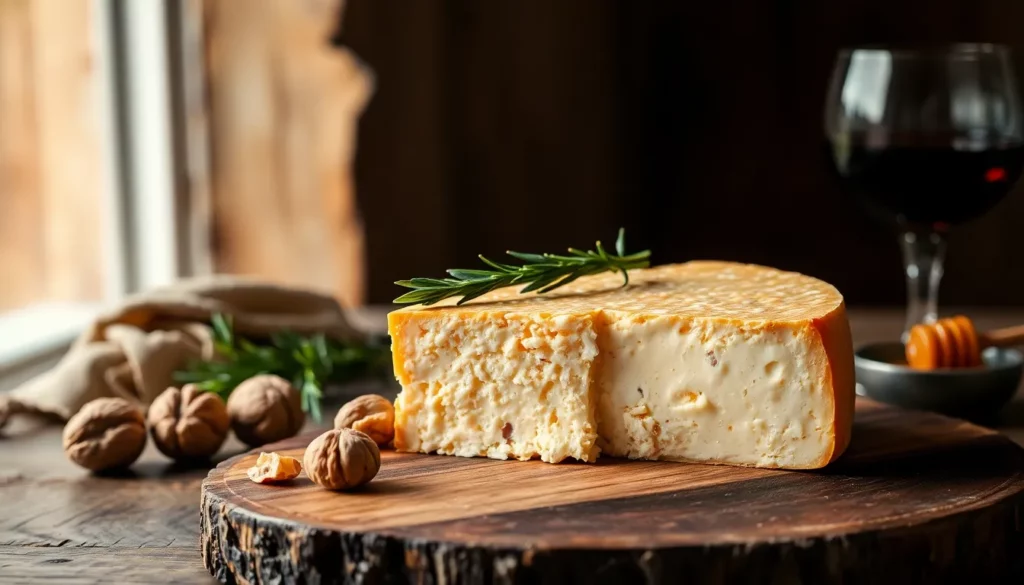
Canella is a traditional Italian cheese produced exclusively in the Veneto region, specifically in the provinces of Treviso and Belluno. Its name derives from the local dialect word for “cinnamon” (cannella), referencing the warm, slightly spicy notes that develop during its long aging process. Canella has been recognized with Denominazione di Origine Protetta (DOP) status since 2012, ensuring that every wheel is made according to strict production standards using raw cow’s milk from local breeds (mostly Rendena and Bruna Alpina).
The production method involves curdling the milk with calf rennet, then breaking the curd into rice-sized grains. The curd is pressed into molds and salted in brine for 24 hours. Aging takes place in natural caves or temperature-controlled cellars at 10–14°C with high humidity. During aging, the wheels are turned and brushed regularly to develop a natural rind. The minimum aging is 12 months, but many producers age Canella for 24, 36, or even 48 months, resulting in a dense, crumbly texture and intense flavor.
Types & Grades
Canella is classified by aging duration, which directly affects its texture, flavor, and culinary application. The table below outlines the official grades recognized by the Consorzio di Tutela del Canella DOP.
| Grade | Aging Period | Texture | Flavor Profile |
|---|---|---|---|
| Canella Giovane | 12–18 months | Semi-firm, slightly elastic | Mild, milky, with hints of grass and fresh butter |
| Canella Maturo | 18–30 months | Firm, granular, slightly crumbly | Nutty, caramel, with a touch of spice |
| Canella Stravecchio | 30–48 months | Hard, very crumbly, crystalline | Intense, savory, with notes of dried fruit, honey, and black pepper |
| Canella Riserva | 48+ months | Extremely hard, brittle, with large tyrosine crystals | Complex, umami-rich, with a long finish of toasted nuts and aged balsamic |
Within each grade, producers may also offer Canella al Tartufo (with black truffle shavings added during pressing) or Canella Affumicato (cold-smoked over beechwood for 12 hours). These variations are not DOP-classified but are traditional in the region.
How It’s Used in Cooking
Canella’s versatility makes it a staple in Veneto cuisine. Its granular texture allows it to melt smoothly without becoming stringy, making it ideal for both hot and cold preparations.
Traditional Appetizers
- Canella e Polenta: Slices of Canella Maturo served warm over soft polenta, drizzled with extra-virgin olive oil and black pepper.
- Insalata di Canella: Shaved Canella Stravecchio tossed with arugula, pear, walnuts, and a balsamic reduction.
Pasta & Risotto
- Risotto al Canella: A classic risotto where grated Canella Giovane is stirred in at the end, creating a creamy, nutty finish.
- Gnocchi di Canella: Potato gnocchi baked with a sauce of butter, sage, and generous shavings of Canella Maturo.
Main Courses
- Vitello alla Canella: Veal scaloppine cooked in a sauce of white wine, lemon, and melted Canella Giovane.
- Canella Croccante: Thick slices of Canella Stravecchio breaded and fried until golden, served with a drizzle of honey.
Cheese Boards
Canella Riserva is often served as a table cheese, paired with dried figs, mostarda, and a full-bodied red wine like Amarone della Valpolicella.
“Canella is the soul of the Veneto table—it transforms a simple dish into a memory.” – Giovanni Rana, Master Cheesemaker
How to Choose/Identify Authentic Canella
When purchasing Canella, look for these authenticity cues to ensure you are getting a genuine DOP product:
- DOP Seal: Every wheel must bear the official DOP logo (a yellow-and-red circle with the words “Canella DOP”) on the rind or packaging.
- Producer Code: A unique alphanumeric code stamped on the rind identifies the specific dairy and aging facility.
- Rind Appearance: Authentic Canella has a natural, rough, ochre-to-brown rind, often with a light dusting of flour or rice powder used during aging. Avoid cheeses with wax or plastic coatings.
- Texture: The interior should be dense with small, irregular eyes. Stravecchio and Riserva grades will show visible tyrosine crystals (white crunchy spots) – a sign of proper aging.
- Aroma: Fresh Canella smells of milk and hay; aged versions develop a complex bouquet of nuts, caramel, and a faint spice reminiscent of cinnamon.
- Price: Genuine Canella is not cheap. Expect to pay €30–€60 per kilogram for Maturo, and up to €100 for Riserva. Extremely low prices indicate imitation or industrial cheese.
For commercial buyers, always request a certificate of origin from the Consorzio di Tutela del Canella DOP. Reputable Italian delis and online retailers (e.g., Eataly, Gustiamo) carry certified products.
Substitutes
If Canella is unavailable, these Italian cheeses offer similar characteristics for specific applications:
- Grana Padano DOP: A hard, granular cow’s milk cheese from Lombardy. Use it grated in risotto or pasta when a nutty, salty flavor is needed. It melts well but lacks Canella’s spicy notes.
- Parmigiano Reggiano DOP: More crumbly and savory than Canella, ideal for grating over dishes or eating in chunks. Its aging grades (12, 24, 36 months) mirror Canella’s structure.
- Pecorino Romano DOP: A sheep’s milk cheese with a sharper, saltier profile. Works well in baked pasta dishes or as a grating cheese, but its flavor is more pungent and less sweet than Canella.
- Montasio DOP: A semi-hard cow’s milk cheese from Friuli-Venezia Giulia, with a milder, buttery taste. Suitable for melting in polenta or sandwiches, though it lacks the granular texture of aged Canella.
For the closest match to Canella’s unique cinnamon-like undertone, consider blending equal parts Grana Padano and a touch of aged Asiago d’Allevo.
Conclusion
Canella is a testament to the Veneto’s rich cheesemaking heritage, offering a spectrum of flavors from mild and milky to intensely savory and crystalline. Whether grated over risotto, melted into polenta, or savored on its own, this DOP cheese brings authenticity and depth to any dish. By understanding its grades, production methods, and authenticity markers, you can confidently select and use Canella to elevate your cooking.
FAQ
What is the difference between Canella Giovane and Canella Stravecchio?
Canella Giovane is aged 12–18 months, with a semi-firm texture and mild, milky flavor. Canella Stravecchio is aged 30–48 months, becoming hard, crumbly, and intensely savory with nutty and spicy notes, plus visible tyrosine crystals.
Is Canella cheese suitable for lactose-intolerant individuals?
Yes, because Canella is aged for at least 12 months, during which most of the lactose is broken down. Stravecchio and Riserva grades contain negligible lactose and are generally well tolerated.
Can I use Canella in place of Parmigiano Reggiano?
In many recipes, yes, but note that Canella has a slightly sweeter, spicier profile. It works well in risotto, pasta, and baked dishes. For a closer match to Parmigiano’s saltiness, use Canella Maturo or Stravecchio.


Leave a Reply