
Short Answer
What It Is
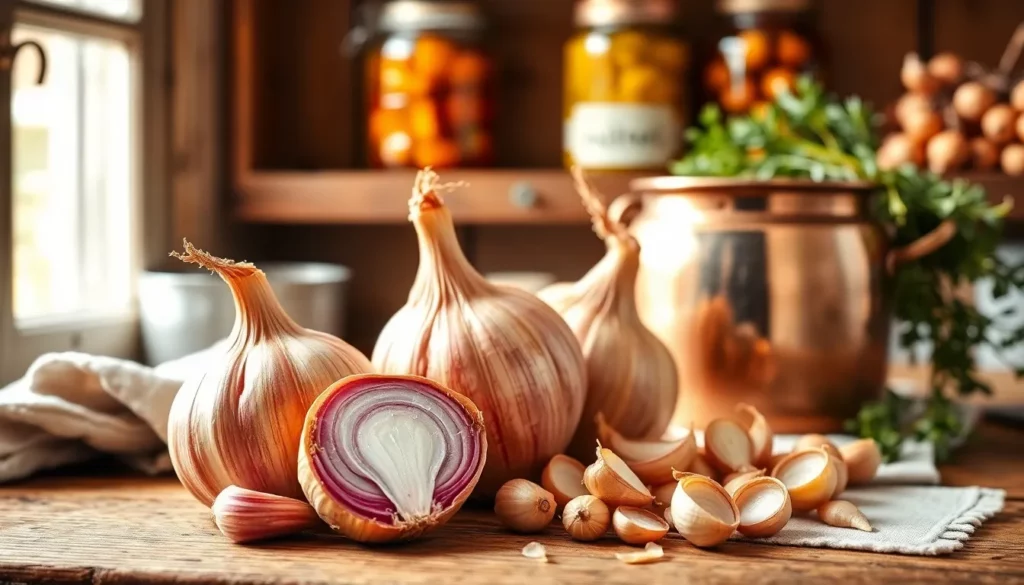
Scalogno, commonly known as the shallot in English, is a bulbous vegetable belonging to the Allium family, closely related to onion and garlic. In Italy, scalogno is prized for its delicate, sweet flavor with a subtle hint of garlic, making it a cornerstone of refined Italian cooking. The term “scalogno” often refers specifically to the Scalogno di Romagna, which has been awarded DOP (Denominazione di Origine Protetta) status by the European Union, recognizing its unique production method and geographical origin.
The production of Scalogno di Romagna is concentrated in the Emilia-Romagna region, particularly in the provinces of Ravenna, Forlì-Cesena, and Rimini. The bulbs are traditionally planted in autumn and harvested in late spring, following a centuries-old rotation that respects the soil’s fertility. The DOP regulation mandates that the shallots be grown in specific clay-rich soils, hand-harvested, and dried naturally under the sun for several days. This method enhances their sugar concentration and aromatic complexity, yielding a product that is both sweet and pungent.
Unlike common shallots, Scalogno di Romagna is characterized by its elongated, slightly flattened shape, copper-red skin, and pinkish-white flesh. Its flavor profile is more nuanced than standard shallots, with a balance of sweetness and mild heat that dissipates quickly, leaving a clean finish. The DOP certification ensures that every bulb meets strict quality standards, from cultivation to packaging, guaranteeing authenticity for chefs and home cooks alike.
Types & Grades
Scalogno is categorized primarily by its aging and curing process, which directly influences its flavor, texture, and culinary application. The two main grades are:
- Scalogno Fresco (Fresh Shallot): Harvested in late spring, these bulbs have a high moisture content and a mild, almost sweet flavor. They are typically used within a few weeks of harvest and are ideal for raw preparations, such as salads or as a garnish, where their crisp texture and delicate taste shine.
- Scalogno Secco (Dried Shallot): After curing for several weeks in well-ventilated sheds, the bulbs lose moisture, concentrating their sugars and pungency. This grade is the most common in Italian kitchens and can be stored for months. It is preferred for cooking, as it withstands heat without becoming bitter and adds depth to sauces, stews, and roasts.
Within the DOP category, further classification exists based on bulb size and shape:
| Grade | Size (diameter) | Shape | Typical Use |
|---|---|---|---|
| Extra | ≥ 30 mm | Uniform, elongated | Gourmet dishes, raw preparations |
| Prima | 25–30 mm | Slightly irregular | General cooking, roasting |
| Seconda | 20–25 mm | Variable | Pickling, preserves |
Non-DOP shallots are often graded by size alone, but the DOP system ensures traceability and quality. Some producers also offer Scalogno Vecchio (aged shallot), which is stored for over a year, developing an intense, almost caramelized flavor, though this is rare and highly sought after.
How It’s Used in Cooking
Scalogno is a fundamental ingredient in Italian cuisine, prized for its ability to enhance dishes without overpowering them. Its versatility spans from raw applications to slow-cooked preparations.
Traditional Italian Applications
- Soffritto: Finely chopped scalogno is often used as the base for many Italian sauces, soups, and braises, replacing or complementing onion. Its milder flavor allows the other ingredients to shine.
- Risotto: A classic risotto alla milanese or a simple risotto with asparagus benefits from a gentle sauté of scalogno in butter before adding the rice, imparting a subtle sweetness.
- Roasted Meats and Fish: Whole or halved scalogno bulbs are roasted alongside poultry, pork, or fish, caramelizing and creating a natural sauce when deglazed with wine or broth.
- Salads and Vinaigrettes: Thinly sliced raw scalogno adds a mild bite to green salads, tomato salads, or as a garnish for carpaccio. It is also a key component in classic vinaigrettes, where it is macerated in vinegar to soften its pungency.
- Pickles and Preserves: Small scalogno bulbs are pickled in vinegar and herbs, served as an antipasto or accompaniment to cheese and cured meats.
“Il scalogno è l’anima discreta della cucina italiana: non grida, ma lascia un ricordo.” – Anonymous Romagnolo cook
In professional kitchens, scalogno is often preferred over onion for delicate sauces, such as salsa verde or beurre blanc, where its fine texture and balanced flavor are essential. The DOP variety, with its consistent quality, is especially valued by chefs who demand precision.
How to Choose/Identify Authentic SCALOGNO
For commercial buyers and discerning home cooks, identifying authentic Scalogno di Romagna DOP is crucial. Here are key authenticity cues:
- Labeling: Look for the official DOP logo and the words “Scalogno di Romagna DOP” on the packaging. The product must be traceable to the designated region.
- Appearance: Authentic bulbs have a distinctive elongated, slightly flattened shape (not perfectly round). The skin is copper-red to brownish, and the flesh is pinkish-white with purple streaks near the top.
- Aroma: A fresh, mild onion scent with a hint of garlic. Strong, harsh odors indicate poor quality or improper storage.
- Texture: The bulb should feel firm and heavy for its size. Soft spots or sprouting indicate age or mishandling.
- Origin: Reputable suppliers will provide information about the farm and harvest date. Avoid generic “shallots” from unknown sources.
- Price: DOP scalogno commands a premium price due to its limited production and quality controls. Excessively cheap products are likely imitations.
When purchasing in bulk, request a certificate of authenticity or a copy of the DOP specification. For retail, check the barcode or QR code that links to the producer’s traceability system.
Substitutes
While scalogno is unique, several Italian ingredients can substitute in a pinch, depending on the dish:
- Cipolla di Tropea (Tropea Red Onion): This sweet, elongated red onion from Calabria has a similar mildness and can be used raw or cooked. It is an excellent substitute in salads and vinaigrettes, though its color may alter the dish’s appearance.
- Cipollotto (Spring Onion/Scallion): The white bulb of a young onion offers a comparable delicate flavor, especially when used raw. It lacks the shallot’s subtle garlic note but works well in quick sautés.
- Aglio Dolce (Sweet Garlic): In some regions, young, mild garlic is used as a substitute, particularly in sauces where a hint of garlic is desired. However, its flavor is more pungent than scalogno.
- Porro (Leek): The white and light green parts of leek provide a sweet, oniony flavor that can replace scalogno in soups and braises, though the texture is more fibrous.
For cooked applications, a combination of finely chopped onion and a pinch of garlic powder can approximate scalogno’s profile, but purists will always prefer the real thing.
Conclusion
Scalogno, especially the DOP-certified Scalogno di Romagna, is a testament to Italy’s dedication to quality and terroir. Its delicate flavor, versatile uses, and strict production standards make it a prized ingredient in both traditional and modern cuisine. Whether you are a professional chef or an enthusiastic home cook, understanding its grades, authenticity markers, and substitutes will elevate your dishes and connect you to a rich culinary heritage. Choose authentic scalogno for an unmistakable taste of Italy.
FAQ
What is the difference between scalogno and common shallots?
Scalogno, particularly Scalogno di Romagna DOP, is a specific variety of shallot grown in Emilia-Romagna under strict regulations. It has a more elongated shape, copper-red skin, and a sweeter, more delicate flavor compared to common shallots, which are often rounder and more pungent.
Can I use onion instead of scalogno in recipes?
Yes, but the flavor will be stronger and less nuanced. For a closer match, use a sweet onion like Cipolla di Tropea or a combination of onion and a pinch of garlic. In cooked dishes, you can also use leek or spring onion.
How should I store scalogno to keep it fresh?
Store dried scalogno in a cool, dry, well-ventilated place away from sunlight, ideally at 10–15°C. Fresh scalogno should be kept in the refrigerator in a paper bag and used within a few weeks. Avoid plastic bags, which trap moisture and cause spoilage.


Leave a Reply